AtticaKey

Category: Athens Neighbourhoods & Living

Guides to Athens neighbourhoods, prices, schools and everyday life for international buyers.

  • Nikaia, Piraeus, Greece: 2026 Area Guide with Kastella and the Port

    Nikaia, Piraeus, Greece: 2026 Area Guide with Kastella and the Port

    EN

    AtticaKey / Athens Neighbourhoods & Living / Nikaia, Piraeus

    Nikaia, Piraeus, Greece: 2026 Area Guide with Kastella and the Port

    Nikaia, Piraeus, Greece, is a large residential municipality just inland from the port of Piraeus, now linked to the city by metro Line 3. Founded by refugees from Asia Minor after 1922, it has long been one of the most affordable parts of the Piraeus area, and its prices have risen fast since the metro arrived. This guide explains what Nikaia is like, how it compares with Kastella and central Piraeus, and what homes cost and rent for in 2026. It sits within our wider Athens real estate guide. If you are already looking at listings, start with Piraeus property for sale.

    In short: Nikaia is the lower-priced, metro-served end of the Piraeus area. Central Piraeus costs more and adds the port, the sea and a fuller range of services. Kastella and Mikrolimano are the premium hillside and harbour pockets. The prices and rents below are asking figures from xe.gr for Q3 2026, and the checks at the end apply to any Greek purchase.
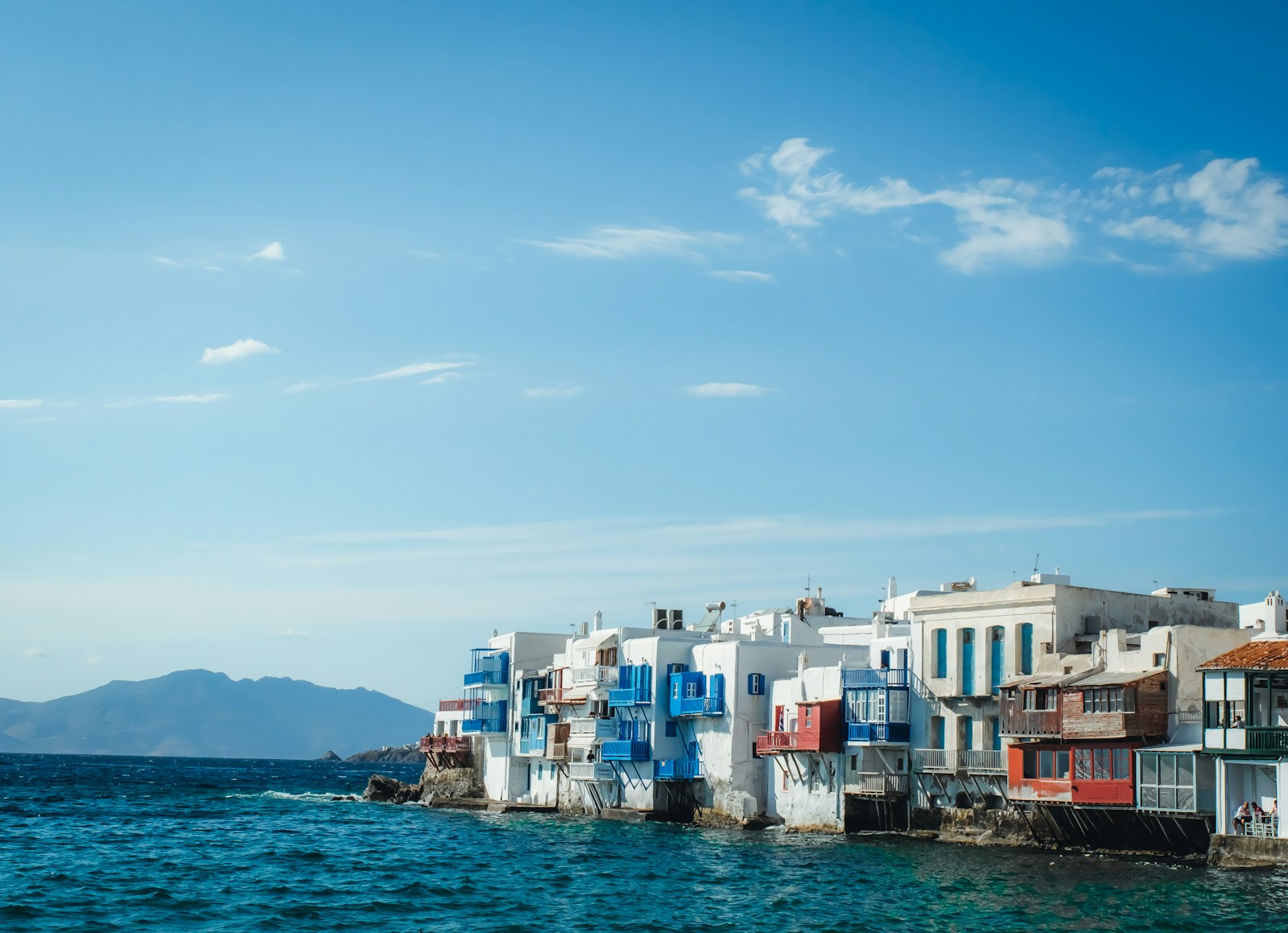
    Nikaia Piraeus Greece: the coast and harbour of Piraeus
    Photo: Harrison Fitts / Unsplash

    Key facts

    ItemDetail
    LocationWest of central Piraeus, in the regional unit of Piraeus (Attica)
    MetroLine 3 Nikaia station (since 7 July 2020); Line 3 reached Piraeus on 10 October 2022
    Asking price, Nikaia, up to 80 m² (Q3 2026)€2,448/m², +15.3% in a year (xe.gr)
    Asking price, Piraeus, up to 80 m² (Q3 2026)€3,245/m², +8.9% (xe.gr)
    Asking rent, Nikaia, up to 80 m²€10.39/m² a month (xe.gr)
    Golden Visa zone€800,000 (all of Attica); single property of at least 120 m² main area on this route; short-term letting not allowed (migration.gov.gr)

    Average asking prices and rents, xe.gr, Q3 2026. Asking prices are what sellers request, not what is finally registered at the notary.

    Where Nikaia is

    Nikaia lies on the low hills west and north-west of Piraeus, between Korydallos, Agia Varvara and the port districts, and is two metro stops from central Piraeus. Together with Agios Ioannis Rentis it forms one municipality.

    It is a dense, residential area of apartment blocks, local squares and shopping streets such as those around the main square, with a large public hospital and good bus links to the port and to central Athens.

    What the area feels like day to day

    Daily life is organised around neighbourhood shops, schools and cafés rather than tourist sights. Streets near the main square and the main roads are busier and more commercial, while side streets are typically quieter. Green space is limited, so when you view a flat, check how far the nearest park or open square is on foot.

    A refugee town turned metro suburb

    Nikaia takes its name from Nicaea (İznik) in Asia Minor, the home town of many refugees who settled here after 1922. For decades it was a working-class town with little new building. The arrival of metro Line 3, with Nikaia station opening on 7 July 2020 (OASA), changed its position: central Athens and the airport are now on one line, and Piraeus is two stops away since the extension opened on 10 October 2022 (STASY).

    What this history means for a buyer

    Because the town grew quickly, much of the housing is made up of apartment blocks, many from the 1960s to the 1980s. Renovated flats and flats in original condition can sit in the same street at very different prices, so compare like with like. Since the metro opened, xe.gr asking prices for homes up to 80 m² have risen 15.3% in a year (Q3 2026), which is why the area now draws more attention from investors than it did a decade ago.

    Getting around

    The simplest way from Nikaia to central Athens is metro Line 3, which runs from Nikaia station to Syntagma without a change. The same line reaches Piraeus in two stops.

    • Metro Line 3: Nikaia station, with direct trains to Piraeus, Syntagma and, on some services, the airport.
    • Metro Line 1: from Piraeus to Monastiraki, Omonia and Kifisia.
    • Tram: the coastal tram now reaches Piraeus, linking it with Palaio Faliro and Glyfada.
    • Ferries: Piraeus is Greece’s main passenger port for the islands.

    A 90-minute ticket costs €1.20 and covers metro, buses and trams (OASA). Check the OASA price page for the airport and other special fares.

    Questions to ask when you view a flat

    • How far is the walk to Nikaia station, and is the route flat and well lit?
    • Which bus lines stop nearby, and where do they go?
    • Is there parking, or will you rely on the metro?
    • Is the street noisy at rush hour or in the evening? Visit at more than one time of day.

    Port, metro Line 1 and the tram

    Piraeus is the main passenger port for the Greek islands, and from Nikaia you reach it by metro Line 3 in two stops. Line 1 starts at Piraeus and runs through Monastiraki and Omonia to Kifisia, while the coastal tram runs from Piraeus towards Palaio Faliro and Glyfada.

    TripConnectionNote
    Nikaia to central Piraeus and the portMetro Line 3Two stops, as opened in October 2022
    Nikaia to SyntagmaMetro Line 3No change of train
    Piraeus to Monastiraki, Omonia and KifisiaMetro Line 1See our Kifisia area guide
    Piraeus to Palaio Faliro and GlyfadaCoastal tramSee our Glyfada real estate guide
    Piraeus to the islandsFerriesCheck operators’ timetables and departure points before you plan

    What the port means for a home

    The port brings ferry access, jobs and services close to hand. The trade-off is traffic around the port and on the main approach roads. If you are considering a flat near the port, visit on a weekday morning and on an evening, and look at which way the bedrooms face.

    Kastella and central Piraeus

    Kastella is a different world from Nikaia: a hill neighbourhood of Piraeus above the Mikrolimano marina, with neoclassical houses, steep streets and views over the Saronic Gulf. Along with Peiraiki and Freattyda, it is one of the most sought-after parts of Piraeus, and prices there are generally above the city average. Central Piraeus, around the port and the Municipal Theatre, mixes offices, shops and older apartment blocks, many of them being renovated.

    Kastella

    The appeal is views, character and a residential feel close to the sea. The practical points are steep streets, stairs and limited parking. With older and neoclassical buildings, ask an engineer to check the structure, and ask a Greek lawyer (one we work with or one of your choice) whether the building or street has any protection or renovation restrictions.

    Mikrolimano

    Mikrolimano is the small harbour and marina below Kastella, known for its seafront restaurants. It suits buyers who want the waterfront and evening life on their doorstep. Expect more activity and possible noise on summer evenings, so test the street at night before you decide.

    Pasalimani

    Pasalimani (Zea marina) is the neighbouring harbour area, with yachts, cafés and a seafront promenade. It is a good alternative if you like the marina setting but want a different street layout from Mikrolimano. Compare the two on foot, since the feel of the street matters more than the name of the area.

    Central Piraeus around the port

    This is the most urban option: shops, offices, the metro and the ferries all within reach. It suits buyers who want to walk to most things and accept city noise. Renovated flats and original-condition flats can differ greatly in price, so compare by condition as well as size.

    Prices and rents in Nikaia and Piraeus

    In Q3 2026, xe.gr average asking prices for homes up to 80 m² were €2,448/m² in Nikaia and €3,245/m² in Piraeus, so Nikaia was about a quarter cheaper per m². Asking rents show a similar gap, and the gross yield column below is our own arithmetic from those two sets of figures.

    Area and sizeAsking price (Q3 2026)Change in a yearAsking rentGross yield (calculated)
    Nikaia, up to 80 m²€2,448/m²+15.3%€10.39/m²about 5.1%
    Nikaia, 81–120 m²€2,452/m²+2.8%€8.40/m²about 4.1%
    Nikaia, over 120 m²€2,325/m²+6.7%€6.22/m²about 3.2%
    Korydallos, up to 80 m²€2,663/m²+12.7%––
    Piraeus, up to 80 m²€3,245/m²+8.9%€12.37/m²about 4.6%
    Piraeus, 81–120 m²€2,931/m²+7.1%€9.43/m²about 3.9%

    Source: xe.gr, Q3 2026. Rents are per m² per month. Gross yield is the monthly asking rent × 12, divided by the asking price per m².

    Nikaia, Korydallos and Piraeus side by side

    AreaAverage asking price, up to 80 m²Illustrative 70 m² flat at that average
    Nikaia€2,448/m²about €171,000
    Korydallos€2,663/m²about €186,000
    Piraeus€3,245/m²about €227,000

    These are simple multiplications of the xe.gr averages, not valuations. Actual prices depend on building age, floor and condition. xe.gr does not publish a separate average for Kastella, so for Kastella and Mikrolimano compare current listings directly.

    Engel & Völkers reports that Piraeus prices rose 11% in a year to around €2,967/m², making it one of the most dynamic markets in Athens (Engel & Völkers). At average asking prices, small flats in Nikaia give a gross yield of about 5.1%, higher than in most of Athens. For homes for sale in the city itself, see Piraeus property for sale.

    How to read these figures

    • Asking prices and asking rents are what owners request. Achieved prices and rents can differ.
    • Averages mix renovated and original-condition flats, and small flats show a higher price per m².
    • Gross yield ignores vacancy, repairs, common charges and taxes. Ask a tax adviser how rental income would be taxed in your own case.
    • Budget for notary, Cadastre and transfer costs on top of the price. They depend on the value and on the rules in force, so ask our partner lawyers to confirm them for your purchase.

    Who Nikaia suits

    • Buyers looking for lower prices with metro access to the centre and the port.
    • Investors seeking long-term rental demand from students, port and hospital workers.
    • People who want an authentic, local neighbourhood rather than a tourist area.

    It suits less well those looking for green space, sea views or a quiet suburban setting; for those, compare Kastella, Palaio Faliro or the northern suburbs. See our guide to Athens neighborhoods.

    If your priority is…Look first at…
    The lowest entry price with a metro lineNikaia
    Walking to the port, shops and the metroCentral Piraeus
    Views, character and a residential feel by the seaKastella
    Waterfront and restaurantsMikrolimano and Pasalimani
    A leafy, quieter settingThe northern suburbs, such as Marousi or Kifisia
    Seaside suburbs on the tram lineGlyfada

    For monthly budgets, see the cost of living in Athens. For daily life as a newcomer, see life for expats in Athens.

    Who buys in Piraeus

    Piraeus suits buyers who value transport, the sea and everyday services over a quiet suburb. These are the profiles for whom its trade-offs tend to make sense.

    • Owner-occupiers who want to commute by metro and live close to the coast.
    • Long-term rental investors, who should compare the gross yields above and treat them as asking-price arithmetic.
    • People working in shipping, port services or ferry-related businesses who want a short commute.
    • Island second-home owners who want a base near the ferries.
    • Golden Visa investors, who need to look at the rules below.

    Piraeus is in Attica, so the €800,000 threshold applies (Law 5100/2024 Art. 64(1); Circular 9/24.09.2024; migration.gov.gr). On that route the investment is a single property with a main area of at least 120 m², and short-term letting is not allowed. At the Q3 2026 averages above, a typical small flat in Nikaia is far below the threshold, so this route is relevant mainly to larger or high-end property. A separate €250,000 route exists for converting commercial property to residential use, and our partner lawyers can assess a specific building. Eligibility is decided by the Greek authorities.

    Things to check before buying

    • Building age and condition: many blocks date from the 1960s to the 1980s, and older buildings were built to earlier standards, so an engineer can check the structure, damp and the common areas.
    • Noise and traffic on main roads and near the port.
    • Energy class, heating and lift.
    • Unlicensed works and the Cadastre (Ktimatologio, the land registry) entry, as in any Greek purchase.
    • Common charges (koinochrista) and any arrears, plus the latest ENFIA (annual property tax) notice.

    A simple order of work

    1. Set your budget and shortlist two or three areas from the guide above.
    2. View at different times of day and walk from the flat to the metro.
    3. Ask a Greek lawyer (one we work with or one of your choice) to run the legal checks on title, charges, permits and the Cadastre entry.
    4. Ask an engineer to inspect the building.
    5. Agree the contract and complete at the notary, with the Cadastre registration following.

    We help you get your Greek tax number (AFM) and open a Greek bank account, and the lawyers we work with can obtain the AFM and help open an account under a power of attorney if you cannot be in Greece. For the full buying process, see how to buy a house in Athens, or browse our homes for sale. If you would like help with a shortlist, request a free consultation.

    Frequently asked questions

    Where is Nikaia in Greece?

    Nikaia is a residential municipality in the regional unit of Piraeus, in Attica, just west and north-west of the port of Piraeus. It forms one municipality with Agios Ioannis Rentis. Metro Line 3 links Nikaia station with Piraeus, Syntagma and, on some services, the airport, and buses run to the port.

    Is Nikaia a good area to live?

    Nikaia is a busy, local area with lower asking prices than central Piraeus, metro access since 2020, shops, schools and a large public hospital. It is dense, with older apartment blocks and limited green space. It suits budget-conscious buyers and renters who value transport over views or quiet.

    How much does property cost in Nikaia?

    In Q3 2026, xe.gr asking prices in Nikaia averaged €2,448/m² for homes up to 80 m², up 15.3% in a year, and €2,452/m² for 81–120 m². A 70 m² flat at the average asking price would be about €171,000. Actual sale prices depend on building age, floor and condition.

    What is Kastella in Piraeus?

    Kastella is a hill neighbourhood of Piraeus above the Mikrolimano marina, known for neoclassical houses, steep streets and views over the Saronic Gulf. It is one of the most sought-after parts of Piraeus, with prices generally above the city average. Mikrolimano below is known for its seafront restaurants.

    How do I get from Nikaia to central Athens?

    Take metro Line 3 from Nikaia station towards Syntagma, the central square of Athens, without changing trains. Line 3 also runs to Piraeus in two stops and, on some services, to the airport. A standard 90-minute ticket costs €1.20; check the OASA price page for airport and other special fares.

    Is Piraeus a good investment?

    Piraeus has been one of the faster-moving markets in Athens: Engel & Völkers reports an 11% rise in a year to around €2,967/m². At xe.gr average asking prices, gross yields on small flats work out at about 4.6% in Piraeus and 5.1% in Nikaia. Check building condition, noise and rental rules before buying.

    Sources

    Last checked: October 2026. General information only, checked against the sources listed above. It is not legal, tax or immigration advice, and rules change. Before you commit, ask our partner lawyers to confirm your own case, and a tax adviser for tax questions. AtticaKey may receive a referral fee from its partner lawyers; you are free to use your own lawyer instead.

    Free Golden Visa consultation

    Tell us what you are looking for and we will reply by email within one working day with eligible properties, the current investment thresholds and the next steps. No obligation.
    By sending this form you agree that AtticaKey may contact you about your request.

  • Marousi, Greece: 2026 Area Guide to Living and Property in Marousi

    Marousi, Greece: 2026 Area Guide to Living and Property in Marousi

    EN

    AtticaKey / Athens Neighbourhoods & Living / Marousi, Greece

    Marousi, Greece: 2026 Area Guide to Living and Property in Marousi

    Marousi, Greece, is the northern Athens suburb where the city’s business district, the Olympic complex and leafy residential streets meet. Officially the municipality of Amarousio, it sits on Metro Line 1 between Kifisia and the centre, and many international companies have their Greek offices along Kifisias Avenue. This guide is part of our Athens real estate guide. It explains what living in Marousi is like: neighbourhoods, transport, schools, rents and Q3 2026 asking prices. When you are ready to look at homes, see Marousi property for sale.

    Marousi, Greece: residential streets in the northern suburbs of Athens

    Key facts

    LocationNorthern suburbs of Athens, about 12 km from Syntagma
    MunicipalityAmarousio (Marousi), Attica
    MetroLine 1: Marousi, KAT, Irini and Neratziotissa stations
    Airport linkSuburban railway from Neratziotissa
    Asking price, homes 81–120 m² (Q3 2026)€4,093/m², +4.8% in a year (xe.gr)
    Asking rent, flats up to 80 m² (Q3 2026)€14.86/m² a month (xe.gr)
    Known forBusiness district, Olympic complex, shopping centres, schools
    Golden Visa threshold in Attica€800,000 for a single property with at least 120 m² of main space; eligibility is decided by the Greek authorities (migration.gov.gr)
    Homes on the marketMarousi property for sale

    Prices and rents are averages of asking prices, not valuations. Source: xe.gr, Q3 2026.

    Where Marousi is and what it is like

    Marousi is a northern suburb of Athens, about 12 km from Syntagma, that combines a small-town centre with one of the city’s main business districts. It lies on the slopes north of central Athens, between Chalandri to the east, Kifisia to the north and Nea Ionia and Irakleio to the west.

    The old centre around the main church and pedestrian streets still feels like a small town, with cafés, tavernas and a weekly market. Around it are quiet residential streets of low apartment blocks and maisonettes, many built from the 1970s onwards.

    Day to day, residents use the old centre for coffee and the market, the Olympic complex for sport and walks, and the shopping centres for larger errands. Because dense apartment streets and greener pockets sit side by side, two homes a few streets apart can feel very different. That is why the neighbourhood section below matters.

    Marousi, Greece: business district, offices and the Olympic complex

    Marousi is one of the main business districts of northern Athens, centred on Kifisias Avenue and the Attiki Odos motorway. Corporate offices, hospitals and two large shopping centres cluster here, together with the Olympic Athletic Centre of Athens (OAKA), built for the 2004 Olympic Games.

    For residents, this means jobs and services close to home. Many people come into Marousi to work, so weekdays feel busier than weekends. Investors often look at the area for long-term rental demand from employees.

    The same mix has trade-offs. Streets close to Kifisias Avenue are convenient but busier, and traffic on the avenue is heavy at peak times. Large events at the Olympic complex can also affect traffic and parking nearby on the day.

    What to check when viewing near offices or the Olympic complex

    • The walking route from the home to the nearest metro station, including pavements and slopes.
    • Noise at rush hour and, if you are near OAKA, on event days. Visit at the times you would actually be at home.
    • Parking: whether a space is included in the sale and how easy street parking is.
    • Whether the building is mainly residential or shares space with offices.
    • Floor, orientation and lift, which affect both noise and daily comfort.

    Getting around: metro, railway and roads

    Marousi is well connected: four stations on Metro Line 1, a railway interchange for the airport and direct access to the Attiki Odos motorway. Line 1 runs south to Omonia, Monastiraki and Piraeus and north to Kifisia. A 90-minute ticket costing €1.20 covers the metro, buses and trams (OASA).

    OptionWhat it gives youWorth knowing
    Metro Line 1Marousi, KAT, Irini and Neratziotissa stations; Omonia, Monastiraki and Piraeus to the south, Kifisia to the northTest the walk from a home to its station
    Suburban railwayChange at Neratziotissa for Athens International AirportCheck the fare and timetable for the airport service with the operator
    Buses and tramsCovered by the same 90-minute ticket as the metro (€1.20, OASA)Fares can change; check OASA
    CarKifisias Avenue and the Attiki Odos motorway to the centre, the airport and the rest of AtticaHeavy peak-time traffic on Kifisias; check parking

    Traffic on Kifisias is heavy at peak times, so residents who work in the centre often prefer the metro.

    Test the commute before you buy

    Make the journey you would really make: a weekday morning to your workplace or school and an evening return. Compare the metro with driving on Kifisias Avenue, and note how far the home is from the nearest station on foot. A few minutes of walking or traffic each way adds up over a year.

    Neighbourhoods in Marousi

    A practical way to shortlist in Marousi is by area, each tied to a station or landmark. Each area has a different balance of convenience, space and noise.

    • Old centre: pedestrian streets, shops and older apartment blocks within walking distance of Marousi station. Suits people who want to walk to cafés and the metro; check the age and condition of the building.
    • Agios Thomas and the streets towards Kifisia: greener, with newer buildings and maisonettes. Suits households that want more space; check the distance to the metro and how much you would rely on a car.
    • Around Irini and the Olympic complex: sports facilities and parks, with easy metro access. Suits active households; check traffic on event days.
    • Near Kifisias Avenue and Neratziotissa: offices, shopping and newer apartments, convenient but busier. Suits commuters; check street noise.

    How to shortlist a street

    1. Decide your fixed point: a workplace, a school or a metro station.
    2. Choose one or two of the areas above that fit it.
    3. Visit twice, once on a weekday at rush hour and once at a quiet time.
    4. Compare homes in the same size band, because price per m² differs by size (see below).
    5. Only then ask for legal and technical checks on your shortlisted homes.

    Schools and family life

    Marousi is a popular base for families because of its schools, parks and sports facilities. The Deutsche Schule Athen, the German school of Athens, serves families in the northern suburbs close to Marousi, and several other international and private schools are within a short drive, including in Chalandri and Kifisia. Read our guide to schooling in Greece before you choose an area around a school.

    Choosing a home around a school

    • Ask each school directly about admission requirements and waiting lists.
    • Ask about school bus routes and whether your street is covered.
    • Check the language of instruction and the curriculum against your children’s plans.
    • Run the morning school journey by car and by public transport.

    Hospitals and healthcare nearby

    Several private hospitals are based in Marousi, including Hygeia, Mitera and Athens Medical Center. Services, insurance acceptance and appointments vary, so confirm them with each hospital directly.

    Property prices and rents in Marousi

    In Q3 2026, asking prices in Marousi ran from €3,625/m² for homes over 120 m² to €4,093/m² for 81–120 m² homes, according to xe.gr. Prices rose in every size band in the year to Q3 2026, and small flats rose fastest, reflecting demand from people who work in the area.

    Home sizeAsking price (Q3 2026)Change in a yearAsking rent
    Up to 80 m²€4,028/m²+11.3%€14.86/m²
    81–120 m²€4,093/m²+4.8%€12.57/m²
    Over 120 m²€3,625/m²+5.1%€11.61/m²

    Source: xe.gr, Q3 2026. Rents per m² per month.

    What these asking prices imply for rental yield

    At average asking prices, gross rental yields work out at roughly 3.7–4.4%, before costs and tax. This is our arithmetic from the xe.gr figures (monthly rent × 12 ÷ asking price), not a published market yield.

    Home sizeAsking rent per m² per yearImplied gross yield
    Up to 80 m²€178.32about 4.4%
    81–120 m²€150.84about 3.7%
    Over 120 m²€139.32about 3.8%

    Worked example for a 100 m² home in the 81–120 m² band at the average: the asking price is about €409,300 and the asking rent about €1,257 a month, or €15,084 a year. That is a gross yield of about 3.7%.

    How to read the numbers

    • These are asking prices, not sale prices. Agreed prices can differ.
    • Averages hide wide differences between a renovated flat and an original one, and between streets.
    • Compare like with like: use the band that matches the home you are considering.
    • Add the costs of buying and owning (taxes or VAT, notary, Cadastre registration, legal checks, agent fees where applicable, and annual property taxes). These vary with the property and its value, so ask our partner lawyers to confirm your own case.
    • Rental income is taxable in Greece; ask a tax adviser how it applies to you.

    For homes on the market, prices by size and what to check before buying, see our page on Marousi property for sale, or browse homes for sale.

    Buying in Marousi: practical steps for foreign buyers

    Buying in Marousi follows the same steps as elsewhere in Attica: get a Greek tax number (AFM), open a Greek bank account, shortlist homes, run legal and technical checks, then sign at a notary and register the purchase. Our guide on how to buy a house in Athens covers the process in more detail.

    1. Get your AFM. We help you get your Greek tax number (AFM). The lawyers we work with can also obtain it under a power of attorney if you cannot be in Athens.
    2. Open a Greek bank account. We help you open one, which is commonly needed for the purchase payment and utility bills.
    3. Shortlist homes using the neighbourhood section above and our Marousi listings.
    4. Have the legal checks done. A Greek lawyer (one we work with or one of your choice) can check the title, any mortgages or other encumbrances, and the Cadastre registration. Greek law does not make a lawyer mandatory at the purchase contract (Law 4093/2012; Lawyers’ Code 4194/2013, Athens Bar Association), but you are free to appoint one.
    5. Ask an engineer to check the building: permits, any unauthorised works and general condition.
    6. Sign at the notary and register. Notary and Cadastre fees are proportional to the property’s value and set by official decisions, so ask our partner lawyers for the current amounts for your purchase.

    If you would like help with any of these steps, request a free consultation or write to info@atticakey.gr; we will reply by email within one working day. You can also use our contact page.

    Marousi compared with nearby suburbs

    Marousi sits between its two closest northern neighbours on price: Chalandri is lower and Kifisia higher, according to xe.gr asking prices for 81–120 m² homes in Q3 2026.

    AreaAsking price, 81–120 m² (Q3 2026)Character
    Marousi€4,093/m²Business hub, metro, Olympic complex
    Chalandri€3,842/m²Lively centre, schools, metro and rail links
    Kifisia€4,439/m²Greener, more upmarket, Line 1 terminus

    Source: xe.gr asking prices, Q3 2026.

    Marousi vs Kifisia vs Chalandri

    On these figures, Kifisia is about 8.5% above Marousi, and Marousi about 6.5% above Chalandri. For a 100 m² home at asking prices, that is roughly €443,900 in Kifisia, €409,300 in Marousi and €384,200 in Chalandri. These are our calculations from the table above.

    FactorMarousiKifisiaChalandri
    FeelBusy business hub with residential pocketsLeafier and more upmarketResidential with a lively local centre
    MetroLine 1, four stationsLine 1 terminusLine 3 and suburban railway stations
    Work and shoppingOffices and shopping centres on Kifisias AvenueBoutiques and local shopsLocal shops and services
    Asking price, 81–120 m²MiddleHighest of the threeLowest of the three

    Compare Marousi with Kifisia, Greece and the other Athens neighborhoods before you decide.

    Other Athens areas to compare

    If you want the sea, look at the southern coast in our Glyfada real estate guide. If you are weighing the western districts near the port, see our guide to Nikaia and Piraeus.

    Who Marousi suits

    • Professionals working in the northern business district.
    • Families who want schools, sports and parks with metro access to the centre.
    • Buyers who want more space for their budget than in Kifisia or the Riviera.
    • Investors looking for steady long-term rental demand from employees.

    It suits less well those who want the sea on their doorstep or the nightlife of central Athens; for those, look at the Riviera or the centre.

    If you are considering the Golden Visa

    Marousi is in Attica, where the Golden Visa real estate threshold is €800,000. That applies to a single property with at least 120 m² of main space (Law 5100/2024, Art. 64(1); Circular 9/24.09.2024; see migration.gov.gr). At the Q3 2026 average asking price for homes over 120 m² (€3,625/m²), €800,000 buys roughly 220 m². Family homes and maisonettes of that size are the kind of property to look at.

    Eligibility is decided by the Greek authorities. A Golden Visa property may not be let short term, so do not plan on holiday-rental income from it. Ask our partner lawyers to confirm your own case.

    Frequently asked questions

    Is Marousi a good place to live?

    Many residents value Marousi for its metro access, schools, parks, shops and the business district, which keeps jobs and services close. It is busier than Kifisia, with heavy traffic on Kifisias Avenue at peak times. Families and professionals often choose it as a balance between suburban space and quick access to central Athens.

    How far is Marousi from central Athens?

    Marousi is about 12 km north of Syntagma. Metro Line 1 runs from Marousi station south to Omonia and Monastiraki, so commuting without a car is possible. Journey times depend on your station and connections, so check the current timetable. By car, the trip depends heavily on traffic on Kifisias Avenue.

    How much does property cost in Marousi?

    In Q3 2026, xe.gr asking prices in Marousi averaged €4,028/m² for homes up to 80 m², €4,093/m² for 81–120 m² and €3,625/m² for homes over 120 m². A 100 m² flat at the 81–120 m² average would be about €409,000. Final prices depend on the building, floor and condition.

    Is there an international school in Marousi?

    The Deutsche Schule Athen, the German school of Athens, is in the northern suburbs close to Marousi, and other international and private schools are a short drive away, including in Chalandri and Kifisia. Check admission requirements, waiting lists and school bus routes with each school before you choose a home.

    How do I get from Marousi to the airport?

    Take Metro Line 1 to Neratziotissa and change to the suburban railway for Athens International Airport, or drive via the Attiki Odos motorway. Journey times vary with traffic and train timetables, so check them for your travel day. Taxis and ride-hailing apps are also widely available in Marousi.

    Can a home in Marousi qualify for the Golden Visa?

    It can be considered if it is a single home worth at least €800,000 with at least 120 m² of main space, because Marousi is in Attica. Eligibility is decided by the Greek authorities. A Golden Visa property cannot be let short term, so check your plans with our partner lawyers first.

    Sources

    Last checked: October 2026. General information only, checked against the sources listed above. It is not legal, tax or immigration advice, and rules change. Before you commit, ask our partner lawyers to confirm your own case, and a tax adviser for tax questions. AtticaKey may receive a referral fee from its partner lawyers; you are free to use your own lawyer instead.

    Free Golden Visa consultation

    Tell us what you are looking for and we will reply by email within one working day with eligible properties, the current investment thresholds and the next steps. No obligation.
    By sending this form you agree that AtticaKey may contact you about your request.

  • Schooling in Greece and International Schools in Athens

    Schooling in Greece and International Schools in Athens

    EN

    AtticaKey / Athens Neighbourhoods & Living / Schooling in Greece

    Schooling in Greece and International Schools in Athens

    For families moving to Greece, schooling in Greece is often the deciding factor in where to live. Athens has a wide choice of international schools offering IB, British, American, German and French curricula, mostly in the northern and eastern suburbs, and that choice shapes where many families buy or rent. This guide explains how the Greek state system works, compares the main types of school, lists well-known international schools in Athens and walks through admissions, documents and the daily commute. Fees vary widely and change each year, so we link to each school rather than quote figures. If you are still choosing a location, start with our Athens real estate guide, then see Athens neighborhoods for family-friendly areas.

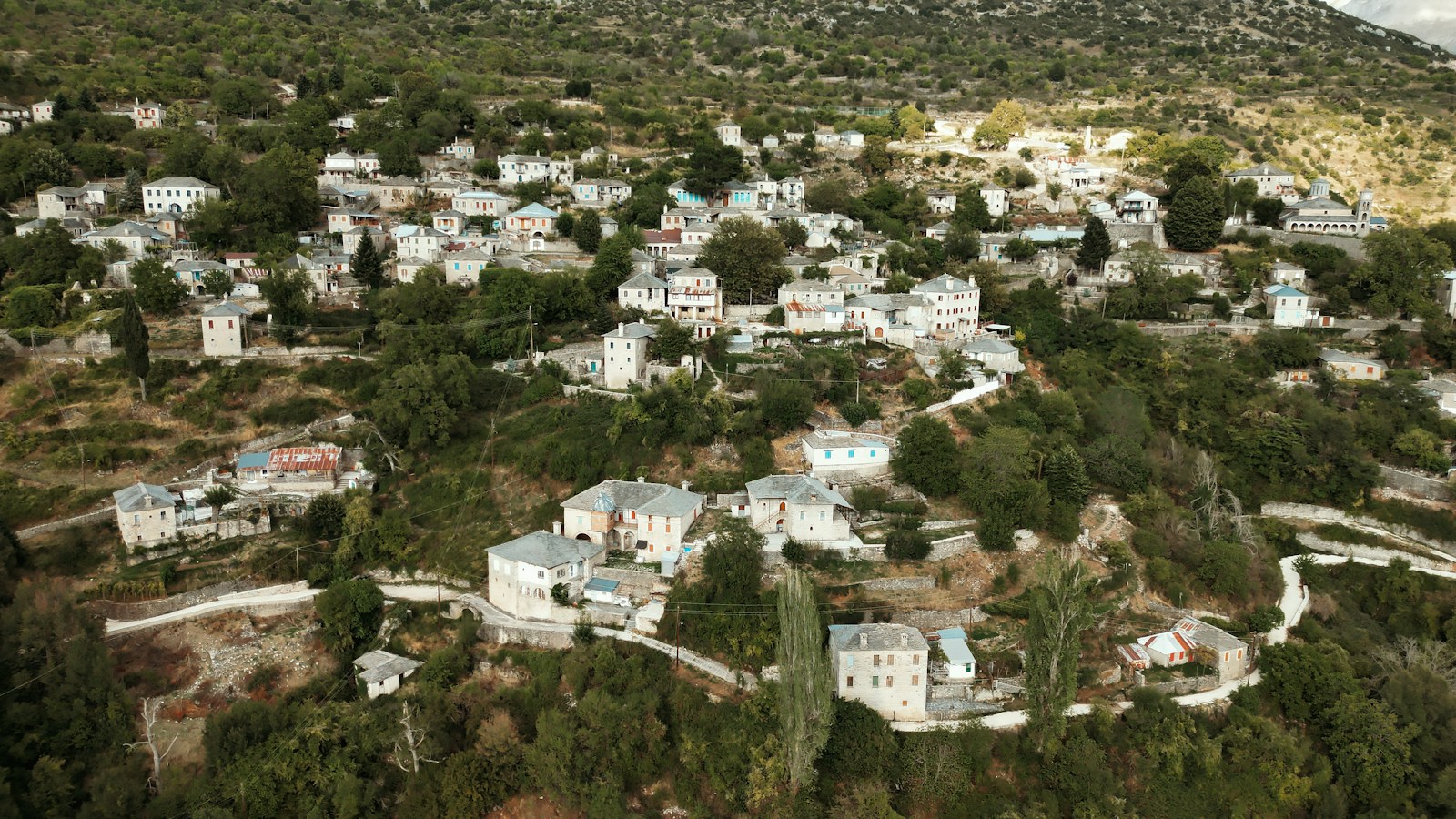
    Schooling in Greece: green hillside town near Athens
    Photo: Nikos Kavvadas / Unsplash

    Key facts

    TopicDetail
    Compulsory educationFrom age 4 (pre-primary) to 15
    State schoolsFree; teaching in Greek
    Main international curricula in AthensIB, British (IGCSE/A level), American, German, French
    Where most international schools areNorthern and eastern suburbs (Chalandri, Marousi, Psychiko, Lykovrisi, Agia Paraskevi, Pallini, Gerakas)
    Golden Visa childrenIncluded up to age 21 (unmarried children)
    FeesSet by each school and changed each year; not quoted here
    AdmissionsApply early; waiting lists are common

    How schooling in Greece works

    State schooling in Greece is free, taught in Greek and overseen by the Ministry of Education, and children of residents can enrol. Pre-primary school (nipiagogeio) starts at age 4, followed by six years of primary school (dimotiko) and three years of lower secondary school (gymnasio). Upper secondary school (lyceum) leads to the national university entrance exams.

    For a child who does not speak Greek, the practical question is language support. Some schools offer reception classes for non-Greek speakers, but provision differs between schools, so ask each school how it helps newcomers. Enrolment rules are set by the Ministry of Education. Confirm the current requirements with the school or the Ministry before you plan around a state-school place.

    Private Greek schools

    Greek private schools charge fees and generally follow the national curriculum with stronger language programmes, and several also offer the IB Diploma. Athens College (Psychiko) and Moraitis School (Psychiko) are examples of long-established private schools with IB programmes. They suit families who want integration into Greek life, a strong English programme and an international qualification in one school.

    Before applying, ask each school:

    • whether there is an entrance test and what it covers;
    • how children who join mid-year or without Greek are supported;
    • which qualification pupils leave with (national, IB or both);
    • how much teaching is in English and how much in Greek.

    International schools in Athens

    Athens has international schools teaching IB, British, American, German and French curricula, and most are in the northern and eastern suburbs. The table lists well-known schools by curriculum and area. It is not a ranking and it is not a complete list.

    SchoolCurriculumArea
    American Community Schools (ACS Athens)American, IBChalandri
    St. Catherine’s British SchoolBritish, IBLykovrisi
    Campion SchoolBritish, IBPallini
    Byron CollegeBritishGerakas
    Deutsche Schule AthenGermanMarousi
    Lycée Franco-Hellénique Eugène DelacroixFrenchAgia Paraskevi
    Athens CollegeGreek, IBPsychiko
    Moraitis SchoolGreek, IBPsychiko

    Check each school’s website for current curricula, fees and admissions.

    There are also international schools in Thessaloniki, such as Pinewood American International School, and in some other cities. For the schools we link to, see ACS Athens, St. Catherine’s British School and Deutsche Schule Athen.

    IB, British and American curricula compared

    The IB, British and American systems differ mainly in how pupils are assessed and how they lead to university. The right choice depends on where your child is likely to study next and how long you expect to stay in Greece.

    CurriculumHow it worksUsually leads toOften suits
    IB (International Baccalaureate)One international framework from primary to the Diploma, with broad subject choice and project workIB DiplomaFamilies who expect to move between countries
    BritishSubjects chosen in stages, with national-style exams in the later yearsIGCSE, then A levelsFamilies linked to UK or Commonwealth systems
    AmericanContinuous assessment across a broad range of subjects; some schools add advanced coursesUS high school diplomaNorth American families and those aiming at US universities
    German and FrenchThe national curriculum of Germany or France, taught in that languageGerman or French school qualificationsFamilies who will return to, or already use, those systems

    How to decide between them

    • Start from the likely university destination, then work back to the curriculum.
    • Check which stages and qualifications each school offers. Not every school covers every age group.
    • Keep continuity for older children who are mid-programme; a switch in the final years can be disruptive.
    • Remember that age cut-off dates differ between curricula, so a child may be placed in a different year group than at home.

    School fees and how to compare them

    We do not quote school fees because each school sets its own and changes them each year. Use the fee information on the school’s own website, or ask the admissions office in writing for the current schedule for your child’s year group.

    When you compare schools, look at the full annual cost, not only tuition. Ask whether the following are included or charged separately:

    • application, registration or enrolment fees;
    • any deposit or one-off contribution, and whether it is refundable;
    • school bus, meals and uniforms;
    • examination fees for IB, IGCSE or other qualifications;
    • learning support or English as an additional language;
    • trips and activities.

    Also ask about sibling arrangements, the payment calendar and the terms if you withdraw. Add school costs to your monthly budget using our cost of living in Athens framework. Fee pages for the schools we link to are on the sites of ACS Athens, St. Catherine’s and Deutsche Schule Athen.

    Choosing where to live around a school

    Choose the school first, then test the journey, and only then shortlist areas. School runs in Athens traffic can be long, so many families look for a home with a short, predictable commute to the school, which is why Kifisia, Chalandri, Marousi, Psychiko and Agia Paraskevi are popular. See our Kifisia guide.

    • Ask each school for its bus routes and pick-up areas, and check them against your shortlisted addresses.
    • Drive or ride the route at school start and finish times, not on a quiet weekend.
    • If you have children at different schools, map both journeys before you decide.
    • If you are unsure about the school or the area, consider renting first before you buy.

    Admissions tips

    Apply as early as possible, because popular year groups fill up and waiting lists are common. International schools set their own deadlines and processes, so request the admissions information from each school as soon as you have a shortlist.

    • Apply to more than one school to keep your options open.
    • Prepare school reports, references and vaccination records.
    • Ask about language support and entrance assessments, and whether they are held online or in person.
    • Check school bus routes from your shortlisted areas.
    • Confirm the residence permit status of your children.
    • Ask other families about their experience. Our expats in Athens guide covers communities and everyday admin.

    Enrolment documents for non-EU children

    Requirements differ between state, private and international schools, so the school’s own checklist always comes first. As a general starting point, prepare the documents below. Birth certificates and other documents issued abroad usually need an apostille (or legalisation) and a Greek translation; the school will tell you exactly what it accepts.

    • passports for the child and parents;
    • proof of residence status for the child, such as a residence card or a permit application receipt;
    • apostilled and translated birth certificate;
    • school reports or transcripts from the last schools attended;
    • vaccination record;
    • any assessment reports, if your child needs learning support.

    The official list for state-school enrolment is set by the Ministry of Education. Ask the school or the regional education directorate for the current list before you apply.

    Golden Visa families

    The Golden Visa covers unmarried children under 21, who can attend school in Greece. Eligibility is decided by the Greek authorities, so ask our partner lawyers to confirm your own family’s position. We cannot say what happens when a child turns 21 without a check of your own case. See our Golden Visa Greece guide.

    The property you buy determines where the family lives, so the main points to know are these (Ministry of Migration and Asylum; Law 5100/2024 Art. 64(1), which replaced Art. 100 of Law 5038/2023; Circular 9/24.09.2024):

    • €800,000 applies in Attica, Thessaloniki, Mykonos, Santorini (Thira) and islands with more than 3,100 residents.
    • €400,000 applies in the rest of Greece.
    • On those two routes the investment must be a single property with a minimum main area of 120 m², and short-term letting is not permitted.
    • The family-member fee is €150 per family member, and minors are exempt (Law 5038/2023 Art. 171(1)(b) and 171(2)(c); mitos.gov.gr).

    Since the northern suburbs are in Attica, the €800,000 threshold applies to a family aiming at schools there. The permit is valid for five years and is renewable (mitos.gov.gr), so plan schooling over several years.

    Universities

    Greek public universities are tuition-free for EU citizens on undergraduate courses; non-EU students follow special rules set by the Ministry of Education. Pupils who finish the Greek lyceum take the national entrance exams, while pupils on foreign curricula usually apply to universities abroad with their IB, A level or high school results.

    English-taught programmes are available at some institutions. If your child may study in Greece, confirm with the Ministry or the university how a foreign qualification is treated, before you choose a curriculum.

    Schooling in Greece: choosing between systems

    The main decision is whether children continue in a curriculum they already know (British, American, German, French or IB) or integrate into a Greek-language school. International schools make a move easier for children who will move again, while Greek state or private schools help long-term integration and Greek language. Many families choose an international school for the first years and reassess later.

    OptionLanguageBest forConsider
    Greek state schoolGreekLong-term residents, younger childrenReception classes, language support
    Greek private schoolGreek, strong EnglishIntegration with higher academic supportFees, entrance tests
    International schoolEnglish, German or FrenchMobile families, older childrenFees, waiting lists, commute

    Questions to settle first

    • How long do you expect to stay in Greece?
    • How old is each child, and how much Greek do they speak?
    • Where will they go to university?
    • Does the school suit every child in the family, including any who need learning support?

    Timeline for families moving to Athens

    Start the school search about a year before the move. The sequence below is a planning suggestion, not an official timetable, because each school sets its own deadlines.

    1. 12 months before: shortlist schools and areas; request admissions information.
    2. 9 months: visit schools; submit applications and assessments.
    3. 6 months: confirm a place; plan the residence permit for the children.
    4. 3 months: secure housing within a reasonable commute; check school bus routes.
    5. Arrival: register with a paediatrician, arrange vaccination records and uniforms.

    If you are buying, we can help you get a Greek tax number (AFM, the tax identification number) and open a Greek bank account, and our partner lawyers carry out the legal checks on the property. See our healthcare in Greece guide for registering with a paediatrician.

    Special needs and language support

    Support for special educational needs varies by school, so ask each school specifically what it provides before you apply. Ask about learning support, English as an additional language, and Greek language classes for newcomers, and request to speak with the relevant coordinator before you commit.

    • Share existing assessment reports early so the school can say honestly whether it can meet your child’s needs.
    • Ask who delivers support, whether it happens inside or outside lessons, and whether it carries an extra charge.
    • Ask how progress is reviewed and how the school works with parents.
    • For state schools, ask the school or the Ministry what support is available locally.

    Living near international schools in Athens

    Most international schools in Athens are in the northern and north-eastern suburbs, with some in the east. Families often look at homes in Kifisia, Chalandri, Marousi, Psychiko, Agia Paraskevi and Gerakas. Families who want to live by the sea in Glyfada or Voula should check bus routes and journey times carefully before choosing a school in the north. Use our Athens house-buying guide to compare areas and prices.

    • North and north-east (Kifisia, Chalandri, Marousi): close to several schools and to the business suburbs.
    • Central-north (Psychiko): home to Athens College and Moraitis School.
    • East (Agia Paraskevi, Pallini, Gerakas): close to the French school, Campion and Byron.
    • Coast (Glyfada, Voula): seaside living with a longer school run for most northern schools.

    Where families buy: commute and property

    Families who buy near a school usually choose between the leafy northern suburbs and the southern coast, and the commute is what separates them. Marousi suits families linked to the northern business suburb and to the German school; see Marousi property for sale and our Marousi area guide. If the coast is the priority, see Glyfada and Vouliagmeni property for sale.

    Before you commit to a property, compare its address with the school bus routes and with the journey at school start times. If you would like help comparing areas, you can request a free consultation, or write to info@atticakey.gr.

    Schooling in Greece: the school year

    The Greek school year usually starts in mid-September and ends in June, with long summer holidays and breaks at Christmas and Easter. Greek Orthodox Easter dates differ from Western Easter in many years. The Ministry of Education publishes the official calendar for state schools each year.

    International schools follow similar calendars with some variations, and some follow the calendar of their home country. Apply early: popular international schools in Athens can have waiting lists. If your children are moving mid-year, ask each school whether it accepts mid-year entry and how it places new pupils.

    Living near schools: transport in Athens

    Many international schools are in the northern suburbs and run their own bus routes, so ask each school first. Families who live near a metro line can also use public transport for older children; a 90-minute ticket costs €1.20, and reduced fares apply to pupils (OASA).

    Check the school bus pick-up points before you choose a street, because a route that stops two suburbs away does not help you. Test the public transport option once at rush hour, and decide when your children are old enough to travel alone.

    Residence and schooling in Greece for non-EU families

    Children under 21 are included in a Golden Visa, and family members can attend Greek public or private schools. Eligibility is decided by the Greek authorities. If you apply under another route, such as the Financially Independent Person (FIP) visa, check the official page for how children are included, because the conditions differ by route.

    • Bring apostilled birth certificates and school records, translated, for enrolment.
    • Keep proof of each child’s residence status ready for the school.
    • Apply for the children’s permits in time so that the enrolment date is not delayed.
    • Ask our partner lawyers to confirm your own case before you plan school dates around a permit.

    Also useful: healthcare in Greece · how to retire in Greece

    Frequently asked questions

    Are international schools in Athens expensive?

    Fees vary widely by school and grade and change every year, so we do not quote figures. The most reliable approach is to ask each school’s admissions office for its current fee schedule, including registration, bus and meal charges, and to compare the full annual cost of two or three shortlisted schools side by side.

    Can expat children attend Greek state schools?

    Yes. Children who live in Greece can enrol in free state schools, which teach in Greek. Some schools offer reception classes for non-Greek speakers, but provision varies by school. Families who want continuity in an English, German or French curriculum often choose an international school for the first years instead.

    Where are most international schools in Athens?

    Mainly in the northern and north-eastern suburbs, including Chalandri, Marousi, Psychiko, Lykovrisi and Agia Paraskevi, with others in Pallini and Gerakas on the eastern side. Because the schools are spread across Attica, check the journey from each area you are considering before you commit to a home.

    Do international schools in Athens offer the IB?

    Yes, several do. Among the schools in our table, ACS Athens, St. Catherine’s, Campion, Athens College and Moraitis list IB programmes, though the exact programmes (Primary Years, Middle Years or Diploma) differ. Confirm which IB stages each school currently offers on its own website before you apply.

    Does the Golden Visa cover my children’s schooling?

    A Golden Visa residence permit also covers eligible family members, including unmarried children under 21, and residents can enrol children in Greek schools. The permit does not pay for or guarantee a school place. Eligibility is decided by the Greek authorities, so ask our partner lawyers to confirm your own family’s position.

    What documents do non-EU children need to enrol?

    Requirements differ between state, private and international schools, and the Ministry of Education sets the rules for state schools. Typically you should prepare apostilled and translated birth certificates, previous school reports, vaccination records and proof of residence status. Ask the school for its exact checklist before you travel.

    Sources

    Last checked: October 2026. General information only, checked against the sources listed above. It is not legal, tax or immigration advice, and rules change. Before you commit, ask our partner lawyers to confirm your own case, and a tax adviser for tax questions. AtticaKey may receive a referral fee from its partner lawyers; you are free to use your own lawyer instead.

    Free Golden Visa consultation

    Tell us what you are looking for and we will reply by email within one working day with eligible properties, the current investment thresholds and the next steps. No obligation.
    By sending this form you agree that AtticaKey may contact you about your request.

  • Real Estate in Glyfada, Greece: Riviera Property Guide 2026

    Real Estate in Glyfada, Greece: Riviera Property Guide 2026

    EN

    AtticaKey / Athens Neighbourhoods & Living / Glyfada real estate

    Real Estate in Glyfada, Greece: Riviera Property Guide 2026

    Real estate in Glyfada, Greece, is the heart of the Athens Riviera market: a seaside town on the coast south of central Athens, with beaches, marinas, golf, shopping and a large international community. This guide covers 2026 asking prices, the difference between the seafront and Ano Glyfada, the apartments and homes for sale you are likely to see, and how the Golden Visa rules apply. To compare Glyfada with the rest of the city, start with our guide to apartments for sale in Athens. For the wider coast, see our Athens Riviera buying guide.

    Glyfada real estate: waterfront homes on the Athens Riviera
    Photo: Harrison Fitts / Unsplash

    Key facts

    Glyfada is one of the pricier southern suburbs of Athens. Spitogatos recorded average asking prices of €5,669/m² there in Q2 2026, against €4,231/m² for the southern suburbs as a whole. Asking prices are what sellers advertise, not what buyers finally pay, so use the table as a starting point for your own comparison.

    ItemDetail
    Average asking price, Glyfada (Q2 2026)€5,669/m² (Spitogatos)
    Southern suburbs average€4,231/m²
    Elliniko (next door)€5,688/m²
    Neighbouring Voula / Vouliagmeni€6,250 / €7,364 per m²
    LocationOn the coast south of central Athens; tram and buses
    Golden Visa minimum in Attica€800,000 single property, 120 m² main area
    Short-term letting of Golden Visa homesNot allowed

    Sources: Spitogatos property index and the Athens News summary of the Q2 2026 data (links under Sources).

    Why Glyfada real estate is in demand

    Glyfada real estate is in demand because it combines a seaside town with city services. Beaches, marinas, the Glyfada Golf Club, a busy shopping district and restaurants are all close, and the centre of Athens is reachable by tram. The regeneration of neighbouring Elliniko, the former airport, has added to interest along this stretch of coast.

    Prices reflect this. Glyfada averaged €5,669/m² in Spitogatos asking prices in Q2 2026, well above the southern-suburbs average of €4,231/m², and Elliniko next door reached €5,688/m².

    Demand comes from different kinds of buyer, and knowing which one you are helps you choose the right part of town:

    • Lifestyle and second-home buyers look at the seafront and the centre, close to the sea, marinas and shops.
    • Families often prefer Ano Glyfada, where maisonettes and larger layouts are more common.
    • Golden Visa buyers need a single property that meets the Attica threshold, so penthouses and new builds are often on their lists.
    • Buyers who plan a long-term let look at rental demand and building rules before they choose a unit.

    For a city-wide view, read how to buy a house in Athens or browse our homes for sale page.

    Glyfada & Vouliagmeni property for sale

    If you want to see what is available rather than read about the market, go to our Glyfada & Vouliagmeni property for sale page. It covers the two neighbouring areas on the Athens Riviera. This guide explains how the market works; that page is the place to start a search.

    A practical way to use the two pages together:

    1. Read this guide to choose a district, a type of home and a rough budget.
    2. Open the area page and shortlist what fits.
    3. Tell us what you are looking for through the form or at info@atticakey.gr, including whether the Golden Visa matters to you.
    4. Before you pay a deposit, have the legal checks done (see the checks section below).

    Glyfada districts

    For a buyer, Glyfada divides into four useful parts: the seafront and centre, Ano Glyfada above it, the golf area towards Elliniko, and the residential streets of Terpsithea and Pyrnari. Each has a different price level, building type and daily rhythm.

    • Seafront and centre: apartments near Poseidonos Avenue, the marinas and the shopping streets. Highest demand and prices for sea views.
    • Ano Glyfada: the upper, inland part of Glyfada, Greece, quieter and greener, with more family homes, maisonettes and lower prices than the seafront.
    • Golf area: low-rise buildings near the golf course and Elliniko.
    • Terpsithea and Pyrnari: residential streets with a mix of older and new buildings.

    How to choose a district

    1. Fix your budget first, and note whether the Golden Visa threshold applies.
    2. Decide what you value more: sea views and walkability, or space and quiet.
    3. Test the daily routine: tram stop, school run, supermarket, parking.
    4. Visit at a busy time and in the evening, not only on a quiet morning.
    5. Compare two or three streets in each district, because prices and noise can change a lot within a few blocks.

    Apartments for sale in Glyfada vs houses

    Most homes for sale in Glyfada are apartments, including large penthouses with roof terraces. Maisonettes are common in Ano Glyfada. Detached villas exist but are scarce; buyers who want a villa with a garden often look further south in Voula, Vouliagmeni or Varkiza.

    TypeTypical buyerWatch for
    Seafront apartmentLifestyle, second homeNoise on Poseidonos Avenue, parking
    Penthouse with terraceGolden Visa buyers, viewsTerrace waterproofing, 120 m² main space
    Maisonette in Ano GlyfadaFamiliesShared garden rights, stairs
    New build near EllinikoInvestors, familiesDelivery dates, VAT status

    When you read listings for apartments for sale in Glyfada, remember that the advertised square metres may include more than the main living area, such as terraces, covered spaces or a share of common areas. Ask for the official plans and the exact breakdown, and compare homes on the same basis. Top-floor and roof-terrace units deserve extra attention to waterproofing and to whether the terrace is fully authorised.

    Golden Visa rules in Glyfada

    Yes, you can buy in Glyfada for the Golden Visa, but the Attica rules apply. Glyfada is in Attica, so the home must be a single property of at least €800,000 with 120 m² of main space (Law 5100/2024, Art. 64(1); Circular 9/24.09.2024; see the Ministry of Migration and Asylum Golden Visa page). Eligibility is decided by the Greek authorities. Read the full rules in our Golden Visa Greece guide.

    The €800,000 zone

    The threshold depends on where the property is, not on the type of home:

    • €800,000: Attica, Thessaloniki, Mykonos, Santorini (Thira) and islands with more than 3,100 residents.
    • €400,000: the rest of Greece.
    • €250,000: conversion of commercial to residential use.

    All of Attica is in the €800,000 zone, so Glyfada, Voula, Vouliagmeni and Elliniko share the same threshold. Lower thresholds elsewhere in Greece do not apply to the Athens Riviera.

    Checking the 120 m² on the plans

    The 120 m² is main space. Balconies and terraces are generally not part of it, so a penthouse with a large terrace may have less main area than the listing suggests. Ask an engineer to check the main area on the official plans before you sign. Ask our partner lawyers whether a parking space or storage room bought in the same contract and building can count towards the price in your case.

    Letting a Golden Visa home

    Golden Visa homes cannot be let short-term through platforms, so do not plan holiday-rental income on a property you buy for the Golden Visa.

    New builds and VAT

    Glyfada and Elliniko have many new developments, and for these the key question is whether VAT or transfer tax applies. New buildings are in principle subject to 24% VAT, but developers can opt into a suspension that runs to 31 December 2026, in which case transfer tax applies instead (Ministry of Finance). Ask the developer in writing which regime applies to your unit. See our guide to Greek VAT on new-build property.

    Before you reserve a new-build unit, ask for:

    • the building permit and the planned delivery date;
    • the tax regime that applies to your unit, stated in the contract;
    • the guarantees the developer gives;
    • the official plans showing the main area, if you plan to apply for the Golden Visa.

    If the 31 December 2026 date matters to your timing, confirm the current position on the Ministry of Finance page and with our partner lawyers before you commit. See also property taxes in Greece.

    Renting out Glyfada property

    Long-term letting is the practical route in Glyfada, which has steady rental demand from families, executives and staff at companies on the southern coast. Rental income in Greece is taxed under a progressive scale, so take advice from a tax adviser before you buy, and remember that Golden Visa properties may not be let short-term through platforms.

    Short-term rentals of homes that are not used for a Golden Visa are possible, but they require registration and are subject to local rules, which change. Check the current position with our partner lawyers before you count on holiday-rental income.

    Before you rely on rental income

    • Ask a tax adviser how rental income would be taxed in your situation.
    • Check the building’s internal regulations and the rights of co-owners.
    • Compare the layout and floor with what tenants in that street usually look for, and ask local agents.
    • Budget for vacancy periods and for repairs between tenants.

    Ano Glyfada in more detail

    Ano Glyfada is the quieter, greener upper part of the town, and it often gives more space for the money than the seafront. It climbs the slopes of Mount Hymettus above the main town. Streets are quieter, buildings are more often maisonettes and low-rise apartment blocks, and many homes have views over the Saronic Gulf from upper floors. It is a few minutes by car to the beach and the shops.

    Ano Glyfada, Greece: who it suits

    Buyers who want more space, or a home for a growing family, often start in Ano Glyfada before they look at the seafront. It also suits buyers who prefer a calmer street and are comfortable using a car for daily errands. Those who want to walk to the sea, the marinas and the evening scene will usually be happier in the centre.

    What to check on a sloping street

    • Access, gradient and parking, especially for older family members.
    • Retaining walls and drainage around the building.
    • Whether the view is protected or could be blocked by a future building next door.
    • Orientation and noise from the roads below.

    Glyfada versus the rest of the Riviera

    Moving south along the coast, Spitogatos asking prices rise: Glyfada averaged €5,669/m² in Q2 2026, Voula €6,250/m² and Vouliagmeni €7,364/m². Elliniko, with its large redevelopment, sits close to Glyfada at €5,688/m². Palaio Faliro is closest to the centre, but a separate price is not published in the data we cite.

    AreaAsking price, Q2 2026Character
    Palaio FaliroNot published separatelyClosest to the centre, seafront promenade
    Glyfada€5,669/m²Town centre, marinas, shops, golf
    Elliniko€5,688/m²Large coastal redevelopment under way
    Voula€6,250/m²Residential, beaches, quieter
    Vouliagmeni€7,364/m²Most exclusive, lake and villas

    Source: Spitogatos index, Q2 2026 (asking prices).

    For a complete comparison of areas, see our guide to the best Athens neighborhoods.

    Vouliagmeni, Voula and Varkiza compared

    Vouliagmeni is the most exclusive and the most expensive of the three in the data we cite (€7,364/m²), and Voula is a quieter residential step up from Glyfada (€6,250/m²). Varkiza lies further south. The sources we cite do not publish a Varkiza price, so check current listings.

    AreaAsking price, Q2 2026Typical homesTrade-off
    Voula€6,250/m²Apartments and houses near the beachesHigher price per m² than Glyfada, quieter, further from the centre
    Vouliagmeni€7,364/m²Villas and apartments, lake areaHighest price per m², most exclusive
    VarkizaNot in the data citedDetached homes with gardens are more commonFurther from the centre; check transport and daily services

    If you are a Golden Visa buyer, the threshold is the same in all of these areas because they are in Attica. Choose on lifestyle, budget and the type of home. For other parts of Attica, compare Marousi in the northern suburbs and Nikaia and Piraeus on the port side. For the leafy north, see our Kifisia, Greece guide.

    Marinas, golf and beaches

    Leisure is a large part of Glyfada’s appeal: marinas along the coast, the Glyfada Golf Club, beaches in Glyfada and organised beaches in Voula and Vouliagmeni, and a busy centre for shopping and dining. Each is run by its own operator, so check access directly.

    • Marinas: if boating matters to you, ask the operator directly about berth availability and conditions.
    • Golf: membership and access rules are set by the club and can change.
    • Beaches: organised beaches have their own access arrangements, which differ from beach to beach. Confirm on site.
    • Sea-air effects: living close to the water means regular maintenance of balconies, railings and air-conditioning units (see owning costs below).

    Living in Glyfada

    Living in Glyfada means a coastal lifestyle with city access, and the main trade-offs are summer traffic and the need for a car in some parts. The practical points for most buyers:

    • Beaches along the coast, plus organised beaches in Voula and Vouliagmeni.
    • International schools in the southern suburbs and the city centre are reachable by car.
    • Tram line to Syntagma; buses to the metro at Elliniko (Line 2).
    • Busy summer traffic on the coastal road.

    For budgeting, see the cost of living in Athens. For community, admin and everyday tips, see life for expats in Athens.

    Schools near the Riviera

    Families usually choose the school first and the street second. International and private schools serve the southern suburbs and the city centre and are generally reached by car, so test the school run at real traffic hours before you decide on a home.

    Questions to ask each school:

    • What is the language of instruction, and what support is there for new arrivals?
    • What is the admission process, and how early should you apply?
    • Is there school transport from your street?

    Our guide to schooling in Greece explains the school system and the main options.

    Checks before buying Glyfada real estate

    Before you pay a deposit, have the title, the Cadastre record, the plans and the building documents checked. A lawyer at the contract is not mandatory in Greece (since Law 4093/2012; see the Lawyers’ Code, Law 4194/2013), but for a foreign buyer it is a sensible step. You are free to appoint a Greek lawyer of your choice, either one we work with or one of your own.

    1. Agree your budget, and whether the Golden Visa applies.
    2. Shortlist homes and visit them.
    3. Collect the documents and have them reviewed (table below).
    4. Get a Greek tax number (AFM). We help you get your Greek tax number (AFM), and the lawyers can obtain it under a power of attorney.
    5. Open a Greek bank account. We help you open a Greek bank account, and the lawyers can help with this under a power of attorney.
    6. Agree the terms in writing, then sign the sale contract before a notary and register it with the Cadastre. Notary and Cadastre fees are proportional to the value and set by ministerial decision, so ask for a written estimate for your property.
    CheckWhat to look forWho helps
    Title and Cadastre recordThey match the contract and the seller’s detailsA Greek lawyer
    Unauthorised worksAn engineer’s certificate, especially for roof terraces and enclosed balconiesAn engineer
    Building common chargesCurrent charges, arrears and planned worksBuilding manager, lawyer
    New buildsBuilding permit, delivery date, guarantees and VAT statusA Greek lawyer
    Golden VisaMain floor area on the official plansAn engineer, a Greek lawyer

    If you would like our partner lawyers to look at a specific Glyfada property, request a free consultation. We will reply by email within one working day. You can also write to info@atticakey.gr.

    Glyfada real estate: getting around

    The coastal tram runs through Glyfada to Voula and to central Athens and Piraeus, and a 90-minute ticket costs €1.20 (OASA). There is no metro station in Glyfada itself; the nearest Line 2 stations are at Elliniko and Argyroupoli.

    The airport is reached by road, via the Vari–Koropi road or the Attiki Odos motorway. Journey time depends on the time of day and on summer coastal traffic, so try the route at the hours you would normally travel. If you want to use the tram daily, check the distance from the home to the nearest stop.

    Owning costs in Glyfada

    Beyond the purchase price, Glyfada owners budget for ENFIA (the annual property tax), building common charges, sea-air maintenance, insurance and, if they let the home, tax on rental income. The points below are a checklist, not a budget.

    • ENFIA can be relatively high in areas with high official values, and discounts for insured homes may apply. Ask a tax adviser for the position this year, and see property taxes in Greece.
    • Common charges for lifts, heating, cleaning and building management vary by building.
    • Maintenance: sea air means regular care for balconies, railings and air-conditioning units.
    • Rental income: long-term rental income is taxed under a progressive scale. A tax adviser can model it for your own situation.
    • Purchase taxes: VAT or transfer tax depending on the property, plus notary and Cadastre fees (see above).

    For the investment side, see real estate investment in Greece.

    Also useful: property taxes in Greece · real estate investment in Greece

    Frequently asked questions

    How much does real estate in Glyfada, Greece, cost?

    Glyfada averaged €5,669/m² in asking prices in Q2 2026, according to the Spitogatos property index, against €4,231/m² for the southern suburbs as a whole. These are advertised prices, not final sale prices. Sea-view and new-build homes often sit above that average, while prices vary a lot by street, floor and condition.

    Is Ano Glyfada cheaper than the seafront?

    Generally yes. Ano Glyfada is the inland, upper part of the town, quieter and with more maisonettes and family homes, and it usually has lower prices per square metre than seafront apartments. No separate price figure is published in the sources we cite, so compare current listings street by street.

    Can I buy an apartment in Glyfada for the Golden Visa?

    Yes, if it meets the rules. Glyfada is in Attica, so the Golden Visa needs a single property of at least €800,000 with at least 120 m² of main area. Short-term letting is banned. Eligibility is decided by the Greek authorities, so ask our partner lawyers to confirm your own case before you sign.

    How far is Glyfada from the airport?

    Glyfada is on the coast south of central Athens, and the drive to Athens International Airport uses the Attiki Odos motorway or the Vari–Koropi road. Journey time depends heavily on the time of day and on summer coastal traffic, so test the route at the hours you would normally travel before you decide.

    Can I rent out my Glyfada apartment?

    Long-term letting is allowed, and rental income is taxable in Greece. If the home is used for a Golden Visa, short-term platform letting is not allowed. For ordinary homes, short-term letting is regulated and the rules change, so ask our partner lawyers and a tax adviser before you count on any rental income.

    What is the difference between Glyfada and Vouliagmeni?

    Both are on the Athens Riviera. In Q2 2026 Spitogatos asking prices, Vouliagmeni averaged €7,364/m² against €5,669/m² in Glyfada. Glyfada has the town centre, shops and marinas; Vouliagmeni is quieter and more exclusive, with villas and a lake. Both are in Attica, so the Golden Visa threshold is the same.

    Sources

    Last checked: October 2026. General information only, checked against the sources listed above. It is not legal, tax or immigration advice, and rules change. Before you commit, ask our partner lawyers to confirm your own case, and a tax adviser for tax questions. AtticaKey may receive a referral fee from its partner lawyers; you are free to use your own lawyer instead.

    Free Golden Visa consultation

    Tell us what you are looking for and we will reply by email within one working day with eligible properties, the current investment thresholds and the next steps. No obligation.

    By sending this form you agree that AtticaKey may contact you about your request.

  • Kifisia, Greece: Property and Living Guide to Athens’ Leafy North

    Kifisia, Greece: Property and Living Guide to Athens’ Leafy North

    EN

    AtticaKey / Athens Neighbourhoods & Living / Kifisia property guide

    Kifisia, Greece: Property and Living Guide to Athens’ Leafy North

    Kifisia, Greece, is the classic address of Athens’ northern suburbs: tree-lined streets, early 20th-century villas, upmarket shops and a cooler climate than the city centre. For international families it combines space with schools and a metro link to the centre. This guide explains what kinds of homes you will find in Kifisia, what the area costs, how to get around, and what to check before you buy. For the wider picture, see our Athens real estate guide.

    It is written for buyers weighing a family home in the north against other parts of Athens. Figures come from the sources listed at the end, and where we could not verify a number we say so rather than guess. If you would like help with a shortlist, you can request a free consultation; we will reply by email within one working day.

    Kifisia Greece: green hillside homes in the north of Athens
    Photo: Nikos Kavvadas / Unsplash

    Key facts

    LocationAbout 15 km north-east of central Athens, at the foot of Mount Penteli
    TransportTerminus of metro Line 1 (Piraeus–Kifisia); Attiki Odos motorway nearby
    Northern suburbs average asking price (Q2 2026)€3,519/m² (Spitogatos data reported 15 July 2026; Kifisia itself not published separately)
    Typical homesVillas, maisonettes, low-rise apartments with gardens
    Golden Visa minimum€800,000 single property, at least 120 m² main area (Attica); no short-term letting
    Popular withFamilies, executives, diplomats
    Main checksTitle and Cadastre record, building permits, listed status, fire risk, heating costs

    Why buyers choose Kifisia

    Buyers choose Kifisia for space, greenery and a self-contained town centre that is still linked to central Athens by metro. It is one of the few parts of Athens where a detached house with a garden is a normal option rather than a rarity.

    Kifisia grew as a summer retreat for wealthy Athenians in the late 19th century, and the villas from that era still define its centre. Today it is a self-contained town within Athens, with its own shopping streets, restaurants, parks and cultural life. Summers are a few degrees cooler than in the centre, which matters in July and August.

    Families value the space. Unlike most of Athens, where the apartment block dominates, Kifisia offers detached houses with gardens, and low-rise buildings with large balconies. Several international and private schools serve the northern suburbs, as described below.

    Kifisia or Kifissia? One suburb, two spellings

    You will see the name written both as Kifisia and Kifissia (Greek: Κηφισιά). Both refer to the same suburb, so a search for Kifissia, Athens, Greece leads to the neighbourhoods described in this guide.

    Neighbourhoods within Kifisia

    Kifisia is not one uniform district: character, plot size and prices change noticeably between its sub-areas. Boundaries are informal, so always check the exact address and not only the neighbourhood name used in a listing.

    • Central Kifisia (Kefalari): the historic core with Kefalari square, villas and boutique hotels. The most prestigious and walkable part.
    • Politeia: very low density, large plots and detached homes, close to Mount Penteli.
    • Nea Erythraia: quieter residential streets with houses and maisonettes, a little further north.
    • Adames and Nea Kifisia: more modern buildings and better access to the motorway.

    Neighbouring Ekali, Drosia and Dionysos offer even more space; Marousi and Chalandri to the south are less expensive and closer to the centre. Walk each candidate street on a weekday morning and on a weekend evening to judge traffic, parking and noise before you take it further.

    Property types and prices in Kifisia

    Spitogatos does not publish a separate Kifisia average in the data we could verify, so no reliable single price per m² exists for the suburb. Its index put asking prices across the northern suburbs at €3,519/m² in Q2 2026, and Palaio Psychiko, a comparable garden suburb, at €5,182/m² (Spitogatos data as reported by Athens News, 15 July 2026; Spitogatos property index).

    Asking prices are what sellers request, not what buyers finally pay, and they vary widely by street, plot size, age and condition. Ask our partner lawyers or a valuer for recent transaction comparables in the specific street before making an offer.

    Property typeWhat to expectKey checks
    Neoclassical villaCharacter, high ceilings, gardensListed-building rules, restoration costs
    Modern detached housePool, parking, energy efficiencyBuilding permit, plot coefficients
    MaisonetteTwo to three levels, private entranceShared areas, roof terrace rights
    Apartment in low-rise buildingLarge balconies, liftCommon charges, parking spaces
    Older house for renovationEstablished garden, scope to moderniseWhether rebuilding is allowed, plot coefficients, unauthorised works

    Getting around

    Most Kifisia residents use a car for daily errands and school runs, and metro Line 1 for trips to the centre. The Attiki Odos motorway links the area with the airport and other parts of Attica by car. Journey times depend heavily on the time of day, so test the route at the hours you would really travel.

    When you compare homes, check how far each is from the metro station and the school gate, and whether the property has its own parking space. Do this on a weekday, not only at a weekend viewing.

    Schools and family life

    Several international and private schools operate in and around the northern suburbs of Athens, so Kifisia families usually have a choice of curricula within driving distance. Names often mentioned include St. Catherine’s British School, the Deutsche Schule Athen and American Community Schools (ACS Athens). Check each school’s current address, curriculum, admissions rules and fees on its own website, because they change and we do not quote them here. Our guide to schooling in Greece explains the options.

    International schools near Kifisia: how to use them in your search

    • Choose your school shortlist first, then map the real drive from each candidate home at school-run hours.
    • Ask each school about available places and the admissions timetable early, before you commit to a purchase or a lease.
    • Ask whether the school runs bus routes, and which streets they serve.
    • Allow for siblings: a house that suits one child’s school may be awkward for another’s.

    Kifisia and the Golden Visa

    Yes, in principle. Kifisia is in Attica, so a Golden Visa purchase here needs a single property worth at least €800,000 with at least 120 m² of main area. These thresholds come from Law 5100/2024 Art. 64(1) (replacing Art. 100 of Law 5038/2023) and Circular 9/24.09.2024, summarised on the Ministry of Migration and Asylum Golden Visa page. Short-term letting of a Golden Visa property is not allowed, so do not plan on holiday-rental income from it.

    Many Kifisia family homes are large, so the 120 m² test is often easier to meet here than in a central apartment. Confirm the registered main area in the title documents rather than relying on the listing. A separate route exists for restoring listed buildings, which may be relevant to some listed villas. Check its current threshold and conditions on the official pages before relying on it, and take specialist legal and technical advice on such a project.

    Eligibility is decided by the Greek authorities. See our Golden Visa eligible property guide, and ask our partner lawyers to confirm your own case before you sign anything.

    Daily life in Kifisia through the year

    Kifisia feels different from central Athens. In summer, evenings are noticeably cooler and many residents eat out in the squares around Kefalari or in the pedestrian streets near the metro. In winter the area is quieter but busy with shoppers from across the north of Athens. Supermarkets, pharmacies, private clinics, gyms and sports clubs are all within the town, so most daily needs can be met without driving into the centre.

    Green space is a big part of the appeal. The Kifisia grove (Alsos Kifisias) hosts events and markets, and Mount Penteli and the trails around Dionysos and Drosia are within a short drive. The trade-off is fire risk in summer on the edge of forested areas, which you should factor into insurance and property choice. For community, clubs and everyday admin, see our guide to life for expats in Athens.

    Shopping and leisure: Kifisia compared with Kolonaki

    Kifisia and Kolonaki both offer upmarket shopping, but they feel very different. Kolonaki is a compact central district where boutiques, galleries, cafés and offices sit within walking distance of one another. Kifisia is a suburban town, where the shops, restaurants and squares are spread around the centre and the pedestrian streets near the metro.

    A visit to Kifisia tends to combine shopping with a meal or a walk in the grove, often reached by car or metro. In Kolonaki, errands and leisure blend into a walkable day. Neither is better in the abstract. Ask yourself whether you want to step out of your door into a busy city street, or into a garden with the town a short drive away.

    Renting first: a sensible test

    Renting for a season before you buy is a sensible test in Kifisia, because the area changes character between summer and winter and because school runs and commutes are easy to underestimate. Six to twelve months lets you try different streets in both seasons. Long-term rentals of houses with gardens can be limited, so start your search early and be ready to decide quickly.

    Rent first in Kifisia: what to look for

    • The school run and the metro walk, tested at real hours rather than at a viewing.
    • How the home is heated and cooled, and what a winter costs to run. Ask the landlord for previous bills.
    • Garden, pool and terrace upkeep, and who is responsible for it.
    • Noise from main roads and busy squares at night.
    • Distance from forested land, and what insurance the landlord holds.
    • The lease: ask our partner lawyers to review it, and ask whether it has been declared to the tax authority (AADE).

    If you later buy for the Golden Visa, remember that the permit is linked to the property you own, not to a rental.

    Kifisia compared with nearby suburbs

    SuburbCharacterCompared with Kifisia
    EkaliVery low density, large villasMore exclusive, fewer shops
    Drosia and DionysosGreen, near Penteli and ParnithaMore space for the money, further out
    MarousiBusiness hub, malls, metroBusier, more apartments, lower prices
    ChalandriLively centre, metro Line 3Closer to the centre, smaller plots
    Psychiko and FilotheiGarden suburbs, embassiesCloser to the centre, higher prices

    If Kifisia stretches your budget, Marousi and Chalandri give similar access to schools with more apartments and better metro coverage. Compare them in our guide to Athens neighborhoods. For a very different, more urban area on the other side of the city, see our Nikaia and Piraeus guide.

    Kifisia vs Marousi: which northern suburb fits your plans?

    Choose Kifisia for villas, gardens and a historic town centre, and Marousi for apartments, business and retail hubs and generally lower prices. Both are on metro Line 1 and within reach of the northern suburbs’ schools, so the decision usually comes down to housing type, budget and daily routine.

    FactorKifisiaMarousi
    HousingVillas, maisonettes, low-rise apartmentsMostly apartments
    AtmosphereLeafy, quieter, historic centreBusier business and retail hub
    PricesGenerally higherGenerally lower
    MetroTerminus of Line 1On Line 1, closer to the centre
    Best forFamilies wanting a gardenBuyers wanting convenience and value

    Read the full Marousi area guide, or browse Marousi property for sale to compare listings side by side.

    Kifisia, Greece property for sale: types and what to check in a listing

    Kifisia property for sale ranges from restored villas to low-rise apartments, and the most useful habit is to read each listing for what it does not say: registered area, legal status and running costs. See our homes for sale page for the current selection, and put these questions to every listing:

    • Which area is quoted: gross built area, net internal area or registered area? Ask for the figure on the title documents. For a Golden Visa purchase the 120 m² refers to main area, so ask our partner lawyers how it is counted.
    • For houses, what are the plot size, the building coefficient and any remaining building rights?
    • Are parking and storage registered as part of the property or separately?
    • What is the energy performance certificate rating and the heating system? Ask for last year’s bills.
    • Is the building listed, and have renovations been permitted?
    • What are the common charges, and who maintains shared areas, the garden and any pool?
    • Who owns the property: one owner, several co-owners or heirs, and do all of them need to sign?

    How to buy in Kifisia step by step

    1. Agree your brief: house or apartment, garden, number of bedrooms, school catchment, budget with costs.
    2. Obtain a Greek tax number (AFM, the tax identification number) and open a bank account. We help you get your AFM and open a Greek bank account, and our partner lawyers can obtain the AFM and help open an account under a power of attorney if you cannot travel.
    3. Shortlist and view, ideally on two visits in different seasons.
    4. Ask our partner lawyers (or a Greek lawyer of your choice) and an engineer to check title, permits, the Cadastre (Ktimatologio, the land registry) record and any unauthorised works. A lawyer is not mandatory at the contract (Lawyers’ Code, Law 4194/2013), but you are free to appoint one and it is sensible to do so.
    5. Agree the price and conditions in writing, and ask our partner lawyers to review the document before you pay a deposit.
    6. Sign before a notary, pay transfer tax (or VAT on some new builds) and register the deed. Notary and Cadastre fees are proportional to the property value and set by ministerial decision (KYA 111376/2011 as amended), so we quote no rate here.
    7. After completion, set up utilities and insurance, and keep your tax records in order with a tax adviser.

    Our step-by-step guide on how to buy a house in Athens covers each stage in more detail.

    What to check before buying in Kifisia

    • Whether the building is listed, which restricts changes.
    • Building permits and any unauthorised works, especially in older villas. Ask an engineer to compare the building with the permitted plans.
    • The Cadastre record and title chain, including any mortgages or other encumbrances.
    • Forest-land maps and fire risk near Mount Penteli, and what insurance covers.
    • Heating costs for large homes; many use oil or gas boilers.
    • Noise from the National Road (Ethniki Odos) in some streets.
    • Access, drainage and boundary walls for houses on sloping plots.

    Getting into the centre by metro

    The suburb sits at the northern terminus of Metro Line 1, with a direct ride to Omonia, Monastiraki and Piraeus. A 90-minute ticket costs €1.20 and covers metro lines 1–3, buses and trams (OASA). The Attiki Odos motorway gives quick access to the airport by car.

    Check current timetables and service notices on the STASY website. Before you buy, make the ride once at rush hour to see whether the metro works as a real alternative to driving for your routine.

    Owning costs and taxes in the northern suburbs

    Owning a home in the northern suburbs brings the usual Greek property taxes plus running costs that grow with house size. Rates and bands change, so confirm current figures with the tax authority (AADE) and a tax adviser.

    • ENFIA (the annual property tax) is calculated from official values and the property’s characteristics. Large homes in high-value areas often pay more than apartments elsewhere, and insurance-linked discounts have been offered in recent years. Check the current rules on the AADE site.
    • Detached houses mean garden, pool, heating and maintenance costs. For monthly budgeting, see the cost of living in Athens.
    • Long-term rental income is taxed in Greece in progressive bands. A Golden Visa property may not be let short term.
    • Inheritance and gift tax depend on the relationship between the people involved, with allowances that vary by category.
    • Your home country may also tax Greek property income or gains, so a tax adviser can explain how the two systems interact.

    Is Kifisia right for you?

    The area suits families who want space, schools and greenery, and buyers who prefer a quieter suburb with good shops and restaurants. It is less suitable if you want the sea on your doorstep or a short commute to the southern suburbs. Compare it with the Riviera in our Glyfada guide.

    • Kifisia may suit you if you value a garden, a cooler summer climate and a town centre with shops and restaurants close by.
    • Consider other areas if you want a seaside lifestyle, a short commute to the south of Athens or a lower purchase price.

    You can also write to us at info@atticakey.gr with your brief.

    Also useful: how to retire in Greece · how to get Greek citizenship

    Frequently asked questions

    Where is Kifisia, Greece?

    Kifisia (also spelled Kifissia) is a northern suburb of Athens, roughly 15 km north-east of the centre at the foot of Mount Penteli. It is the northern terminus of metro Line 1, which runs south through central Athens to Piraeus, and it is close to the Attiki Odos motorway.

    Is Kifisia expensive?

    It is generally seen as one of the pricier northern suburbs, though we have not found a published Kifisia-only average. Spitogatos put asking prices across the northern suburbs at €3,519/m² in Q2 2026. Actual prices vary widely by street, plot, age and condition, so compare recent comparables for each property.

    Is Kifisia good for families?

    Many families choose it for detached houses with gardens, parks, local shops and a cooler summer climate than the centre. Several international and private schools operate in the northern suburbs, though the school run is usually by car. Visit in term time and test the commute before deciding.

    How do I get from Kifisia to central Athens?

    Metro Line 1 runs directly from Kifisia to Omonia and Monastiraki and on to Piraeus, so no change is needed for the centre. By car you can use Kifisias Avenue or the Attiki Odos motorway, and journey times depend heavily on traffic. Check current timetables on the STASY website.

    Can I get a Golden Visa by buying in Kifisia?

    Possibly. Kifisia is in Attica, where the Golden Visa route requires a single property of at least €800,000 with at least 120 m² of main area, and short-term letting is not allowed. Eligibility is decided by the Greek authorities, so ask our partner lawyers to confirm your property and your own case.

    How does Kifisia compare with Marousi?

    Kifisia is greener and more villa-led, with larger plots and a historic centre. Marousi is busier, a business hub with malls, more apartments and generally lower prices. Both are on metro Line 1, so compare commute, school access and budget for your own priorities.

    Sources

    Last checked: October 2026. General information only, checked against the sources listed above. It is not legal, tax or immigration advice, and rules change. Before you commit, ask our partner lawyers to confirm your own case, and a tax adviser for tax questions. AtticaKey may receive a referral fee from its partner lawyers; you are free to use your own lawyer instead.

    Free Golden Visa consultation

    Tell us what you are looking for and we will reply by email within one working day with eligible properties, the current investment thresholds and the next steps. No obligation.

    By sending this form you agree that AtticaKey may contact you about your request.

  • Expats in Athens: Communities, Costs and Practical Tips

    Expats in Athens: Communities, Costs and Practical Tips

    EN

    AtticaKey / Athens Neighbourhoods & Living / Expats in Athens

    Expats in Athens: Communities, Costs and Practical Tips

    The number of expats in Athens has grown fast, from remote workers and retirees to Golden Visa families and entrepreneurs. The city offers big-city life with the sea twenty minutes away, but newcomers need to understand residence rules, Greek admin and how neighbourhoods differ. This practical guide covers where expats live, how to build a community, what to do in your first 90 days and which questions to ask before you commit. For housing, see Athens real estate.

    It is written for newcomers from the US, the UK and elsewhere who want a calm, realistic picture before they move. Everything here is general information; eligibility for any permit is decided by the Greek authorities.

    Expats in Athens: the Acropolis seen from Filopappou Hill
    Photo: Constantinos Kollias / Unsplash

    Key facts

    Popular expat areasGlyfada, Voula, Kifisia, Kolonaki, Koukaki, Pangrati, Chalandri
    Residence routes (non-EU)Golden Visa, FIP, Digital Nomad, work, family
    First admin stepsAFM tax number, bank account, AMKA
    LanguageEnglish widely used; Greek for officialdom
    Digital governmentMany services on gov.gr
    Getting aroundMetro, coastal tram, suburban railway, buses and taxis
    Typical rental startMost expats rent for a period before buying
    Emergency112

    Where expats in Athens live

    Expats in Athens mostly settle in three zones: the southern coast (Glyfada, Voula, Vouliagmeni), the leafy northern suburbs (Kifisia, Psychiko, Chalandri) and central neighbourhoods (Kolonaki, Koukaki, Pangrati). The right one depends on whether you value beaches, schools or walkable city life, and on your budget, which varies by area and condition.

    Compare them in our guide to the best Athens neighborhoods.

    Expat neighbourhoods compared: a decision guide

    Choose by lifestyle first and price second. Decide whether you want sea, greenery or a walkable centre, then shortlist two areas and test them in person before you rent or buy.

    If you want…ShortlistTrade-offs to check
    Sea, beaches and a large international communityGlyfada, Voula, Vouliagmeni, Palaio FaliroCompare prices street by street; they vary by area and condition. Check travel time to the centre.
    A family home, greenery and schools nearbyKifisia, Psychiko, ChalandriCommute to the centre and the daily school run.
    Walkable city life, cafés and cultureKolonaki, Koukaki, PangratiSmaller flats, street noise and limited parking.
    A local residential feel and port accessNea Smyrni, Nikaia, PiraeusYou may use more Greek day to day; fewer English-language services.

    How to test an area before committing:

    1. Visit on a weekday morning, an evening and a weekend.
    2. Make the journeys you will actually do: school run, office, airport.
    3. Walk to the nearest supermarket, pharmacy and metro or tram stop.
    4. Check noise, shade and orientation for summer, and ask how the flat is heated in winter.
    5. Talk to neighbours or café owners about the building and the street.

    Residence permits

    EU citizens register their residence; non-EU citizens need a permit. Expats in Greece commonly use the Golden Visa (property), the FIP permit (passive income), the Digital Nomad permit (remote income), or a work or family permit. Eligibility is decided by the Greek authorities. See Greece residency options and our residence permit guide.

    RouteWhat it isPoints to check
    Golden VisaResidence through a qualifying property investmentThe threshold depends on location (see below). The investment is a single property of at least 120 m² main area on the €800,000 and €400,000 routes. Short-term letting is not allowed. The permit is valid for 5 years and renewable.
    FIPResidence based on stable passive incomeThe income threshold and conditions are set by the Greek authorities. It does not allow work as an employee.
    Digital NomadResidence for remote work for employers or clients outside GreeceThe gov.gr page lists a net monthly income requirement of €3,500.
    Work or familyPermits linked to an employer or a family memberDepends on your individual case; confirm with a Greek lawyer (one we work with or one of your choice).

    For the Golden Visa, the thresholds are €800,000 in Attica, Thessaloniki, Mykonos, Santorini (Thira) and islands with more than 3,100 residents, and €400,000 in the rest of Greece. There is also a €250,000 route for converting commercial property to residential use. Athens falls in the €800,000 band. These figures come from Law 5100/2024 Art. 64(1) and Circular 9/24.09.2024, summarised on the Ministry of Migration and Asylum Golden Visa page. The digital nomad requirements are on gov.gr.

    First steps after arriving

    The first practical steps are a tax number (AFM), a Greek bank account and, if you are eligible, an AMKA (social security number used for public healthcare). Most other things depend on them, including rental contracts, utilities and phone plans.

    1. Get an AFM (tax number) at the tax office or through our partner lawyers. We help you get your Greek tax number (AFM).
    2. Open a Greek bank account. We help you open a Greek bank account.
    3. Get an AMKA if eligible.
    4. Register with a GP or private clinic.
    5. Set up utilities and a Greek mobile number.
    6. Register for gov.gr services with your tax credentials (TAXISnet).

    Our partner lawyers can obtain the AFM and help open a bank account under a power of attorney, so some of this can be done before you arrive. If you sign a power of attorney abroad, check the exact format with the Greek consulate or a notary first. As one example, the Greek consulate in London lists €60 equivalent per double-sided sheet, including one certified copy. London signs only for Greek, British and EU citizens; others must contact the consulate first (see the consulate’s power of attorney page).

    Building a community

    Expats in Athens usually meet people through international schools, churches, sports clubs (sailing, running, padel), co-working spaces and online groups. Learning some Greek and joining local activities makes the biggest difference; Greeks are hospitable and appreciate the effort.

    • Pick one regular activity (a class, club or volunteering) and keep going for a season.
    • Join both expat groups and Greek-speaking ones; the second helps you integrate.
    • Go to school events and neighbourhood gatherings if you have children.
    • Accept invitations, especially around holidays; hospitality is part of the culture.

    Expat groups and international communities in Athens

    Several established organisations help newcomers find people and practical advice. Check each organisation’s current website for events, membership and any fees before relying on it.

    • InterNations: an online expat network with an Athens community and social events.
    • Business chambers: the American-Hellenic Chamber of Commerce (AmCham Greece), the British Hellenic Chamber of Commerce and the German-Greek Chamber of Industry and Commerce, useful for professionals and entrepreneurs.
    • Language and cultural centres: the Hellenic American Union and Athens Centre run Greek courses and events.
    • Churches: St Paul’s Anglican Church and the Catholic Cathedral of St Dionysius hold services in English or other languages, alongside Greek Orthodox parishes.
    • Schools: international schools such as ACS Athens have active parent communities. See schooling in Greece.
    • Your embassy: some offer a registration service and community notices.

    Work and business

    EU citizens can work in Greece. For non-EU citizens, it depends on the permit. Golden Visa and FIP holders cannot work as employees in Greece, though Golden Visa holders can own companies. Digital nomads work for employers outside Greece. Starting a business needs an accountant and, often, a lawyer.

    Before you start a company or take a Greek job, make sure of the following:

    • Your permit allows the activity you plan.
    • You have an AFM and know which tax and social-security registrations apply.
    • You have an accountant who works with foreign clients.
    • Any contract is available in a language you understand.

    Working remotely from Athens: the digital nomad permit

    Non-EU remote workers who work for employers or clients outside Greece can apply for the digital nomad permit; the gov.gr page lists a net monthly income of €3,500. Eligibility is decided by the Greek authorities. For the other routes, see residence permits in Greece.

    • Co-working and cafés: Koukaki, Pangrati and the centre have co-working spaces and cafés suited to remote work.
    • Home set-up: ask about internet options at the exact address before you sign a lease, as availability varies by building.
    • Tax: staying in Greece can make you tax resident, and special regimes may apply. Ask a tax adviser before you decide. See income tax in Greece.
    • Employer rules: check your employer’s policy on working from another country.

    Money and taxes

    If you live in Greece for more than 183 days a year you will likely be Greek tax resident. Special regimes exist for new residents, described in the AADE guide to incentives for new tax residents. Whether one applies to you is a question for a tax adviser. See Greek income tax for foreigners.

    Your home country may continue to tax you or require filings after you move, so ask a tax adviser in both countries. If you own property in Greece, an annual property tax called ENFIA applies; no rates are given here.

    Healthcare and schools

    Expats usually combine the public system, once they have an AMKA, with private doctors or insurance, and choose between Greek and international schools by language and curriculum. Many families settle healthcare and school places early, because both shape where they rent. See our guides to healthcare in Greece and schooling in Greece.

    • Find an English-speaking doctor and dentist in your first month.
    • Ask schools about places and start dates well before September.
    • Keep medical records and school transcripts with certified translations if requested.

    Everyday tips for expat living in Greece

    • Shops may close in the afternoon on some days outside central areas.
    • Summer is hot: plan around midday.
    • August is holiday month; offices slow down.
    • Orthodox Easter usually falls on a different date from Western Easter, and shops and offices close around it.
    • Keep copies of every official document.
    • Use a trusted accountant from the start.
    • Carry some cash for small shops and kiosks, though cards are widely accepted.
    • Ask what the building’s shared charges (koinochrista) cover before you rent.

    Expat life in Athens: pros and cons

    Athens suits people who want climate, culture, sea access and lower daily costs than most capitals, and who can accept bureaucracy, summer heat and rising rents. Most expats weigh the points below; the balance is personal.

    ProsCons
    Climate, sea near the citySummer heat
    Lower daily costs than most capitalsRising rents
    Friendly, social cultureBureaucracy
    Good flight connectionsTraffic
    Islands and mountains within reachOlder buildings, with variable insulation and heating
    Walkable central neighbourhoodsLimited parking in the centre
    Established international schools and clinicsPublic offices work mainly in Greek
    Much of the admin is online through gov.grAugust slowdown

    More in living in Greece: pros and cons. For a budget framework, see the cost of living in Athens.

    Why are people moving out of Greece?

    Many Greeks, especially young professionals, left during and after the 2010s debt crisis because of unemployment and low salaries, and pay is often lower than in northern Europe. Rising rents and bureaucracy add pressure today. These are Greek-resident concerns, but they shape the market you will arrive in.

    Foreign residents who leave often mention summer heat, administration, distance from family or a mismatch with their expectations rather than a single cause. To reduce that risk:

    • Spend time in Athens in more than one season before you commit.
    • Rent first and keep your plans flexible.
    • Budget for rent in your chosen area rather than the city average.
    • Build local connections and learn Greek early.

    Expat in Athens: the first 90 days

    Arriving as an expat in Athens is easier with a plan. In the first week, handle connectivity, banking and short-term housing; in the first month, register for the services you need; and within three months, settle long-term housing, schools and permit appointments.

    Week 1

    • Get a local SIM card.
    • Set up a Greek bank account if you have not already.
    • Arrange short-term housing in the area you are considering.

    Month 1

    • Apply for your AMKA if eligible.
    • Register for gov.gr and TAXISnet with your tax credentials.
    • Find an English-speaking doctor and dentist.

    Months 2 and 3

    • Finalise long-term housing.
    • Confirm schools.
    • Attend your residence permit appointments.

    Housing for expats in Athens

    Most expats rent first. Long-term rental demand is high, so good flats go fast. Prepare documents (passport, AFM, proof of income) and be ready to pay a deposit. Furnished apartments are common in the centre; unfurnished family homes are more common in the suburbs.

    • Read the lease carefully, ideally with a Greek lawyer (one we work with or one of your choice).
    • Never pay a deposit before you have seen the flat and the contract.
    • Ask about heating, air conditioning, insulation and the building’s shared charges.
    • For older buildings you plan to buy, an engineer can inspect condition and structure.

    If you plan to buy, read how to buy an apartment in Athens and our Athens real estate guide. Golden Visa properties may not be let short term, so do not plan Airbnb income on one.

    Getting around as an expat in Athens

    You can live in Athens without a car in most expat areas, using the metro, tram, buses and taxis. A car or scooter helps more in the northern suburbs and for weekends away.

    • Metro Lines 1–3, the coastal tram and buses cover most expat areas. Line 1 runs from Piraeus to Kifisia.
    • The coastal tram serves the southern coast, including Palaio Faliro, Glyfada and Voula.
    • Taxis are plentiful; ride-hailing apps work with licensed taxis.
    • The airport is served by metro Line 3, the suburban railway and express buses.
    • Parking in central areas is limited; many residents use scooters.
    • Transport strikes occasionally disrupt services, so check before you travel to an important appointment.

    Expats in Greece beyond Athens

    Many expats in Greece combine an Athens base with summers on an island or in the Peloponnese. Thessaloniki has its own international community, and Crete has large expat populations around Chania and Heraklion. See our guide to the best places to live in Greece.

    Outside Athens, services, flight connections and winter life differ, and Golden Visa thresholds depend on location. Test a place in the off-season before you rely on it as a year-round home.

    Safety and emergencies

    Athens is generally considered safe, though pickpocketing occurs in crowded tourist areas and on public transport. Save 112 for emergencies and 166 for ambulances, and register with your embassy if it offers a registration service.

    • Keep valuables out of back pockets in crowded places.
    • Greece is seismically active; ask about the age and condition of any building you rent or buy.
    • In summer, wildfires can affect the edges of Attica; follow civil protection messages sent via 112.

    Registering as an expat in Athens: who needs what

    You are…What you need
    EU/EEA or Swiss citizen staying over 3 monthsRegistration certificate from the police aliens office, AFM, AMKA
    Non-EU with a Golden VisaResidence card, AFM; arrange health cover (see our healthcare guide)
    Non-EU remote workerDigital nomad visa/permit (€3,500/month net income), AFM
    Non-EU retireeFIP permit (stable passive income), AFM, insurance
    UK citizen resident before 2021Withdrawal Agreement residence document

    Your AFM (tax number) is needed for almost everything: renting, utilities, phone contracts and bank accounts. Many expats in Athens get it through an accountant or our partner lawyers with a power of attorney before they arrive.

    Learning Greek as an expat in Athens

    You can manage day to day in English in central Athens and the suburbs where expats live, but Greek opens doors with neighbours, landlords and offices. Options include university language centres, the Hellenic American Union, Athens Centre, private schools and online tutors.

    If you plan to apply for citizenship one day, you will need to pass the PEGP exam in Greek language, history and culture. See how to get Greek citizenship.

    Money tips for expats in Greece

    • Open a Greek bank account early; rent and utilities are often paid by bank transfer.
    • Keep receipts and pay by card where you can: Greek tax residents have electronic-payment requirements, and a shortfall can carry a tax penalty. Ask your accountant how it applies to you.
    • Greek wages are a useful benchmark for local salaries; the official minimum wage is set by the government and updated periodically.
    • Tax residents are taxed on worldwide income; special regimes (Articles 5A, 5B and 5C) can apply to newcomers. Read income tax in Greece.
    • Compare fees on international transfers and currency exchange before moving larger sums.

    Emergency numbers every expat in Athens should save

    ServiceNumber
    European emergency number112
    Ambulance (EKAB)166
    Police100
    Fire service199
    Tourist police1571

    Save these in your phone before you need them, and share them with family members.

    Expat living in Greece: seasonal rhythm

    Athens empties in August when many Greeks head to the islands, and some shops and offices close for two or three weeks around 15 August. Summer heat often exceeds 35°C, so choose a home with good insulation, air conditioning and shade. Winters are mild but damp in older flats; check the heating before you sign a lease. Spring and autumn are the best months to house-hunt.

    Renting first, buying later

    Most expats in Athens rent for six to twelve months before buying. Standard leases are usually long term (often three years) with a deposit of one or two months’ rent. Renting lets you test commute times, noise and neighbourhood life. When you are ready to buy, our guide to buying an apartment in Athens explains the steps, and how to buy a house in Athens covers houses.

    If you would like help shortlisting areas, you can request a free consultation.

    Also useful: moving to Greece from the US · healthcare in Greece

    Frequently asked questions

    Where do most expats live in Athens?

    Expats in Athens mostly choose the southern Riviera (Glyfada, Voula, Vouliagmeni), the northern suburbs (Kifisia, Psychiko, Chalandri) and central areas such as Kolonaki, Koukaki and Pangrati. The best fit depends on your budget, school needs, commute and how much you want a beach or a walkable neighbourhood.

    Is Athens good for expats?

    Many expats find Athens affordable by capital-city standards, sociable and well connected, with sea, mountains and islands within reach. The main challenges are bureaucracy, summer heat and rising rents in popular areas. Visiting for a few weeks in different seasons, and renting before you buy, helps you judge whether it suits you.

    Can expats work in Athens?

    EU citizens can work in Greece without a work permit. Non-EU citizens need a permit that allows employment; the Golden Visa and FIP permits do not allow work as an employee, while the digital nomad permit covers remote work for employers outside Greece. Eligibility is decided by the Greek authorities, so confirm your route first.

    Do I need to speak Greek in Athens?

    Not for daily life in central Athens and the suburbs where expats live, where English is widely used. Greek still matters for official offices, landlords, neighbours and medical paperwork, and it is needed for the citizenship exam. Even basic Greek is appreciated and makes integration easier, so plan lessons in your first months.

    How do expats in Athens meet people?

    Most expats meet people through schools, sports clubs, co-working spaces, language classes, churches, business chambers and online community groups. Joining local activities and learning some Greek usually makes the biggest difference. Neighbours and colleagues are often welcoming, so regular visits to the same café, gym or club help friendships form more quickly.

    Why are people moving out of Greece?

    Many Greeks, especially young professionals, left during and after the 2010s debt crisis because of unemployment and low salaries, and pay is often lower than in northern Europe. Rising rents and bureaucracy add pressure today. Foreign residents who leave often mention heat, admin, distance from family or a mismatch with expectations rather than any single cause.

    Sources

    Last checked: October 2026. General information only, checked against the sources listed above. It is not legal, tax or immigration advice, and rules change. Before you commit, ask our partner lawyers to confirm your own case, and a tax adviser for tax questions. AtticaKey may receive a referral fee from its partner lawyers; you are free to use your own lawyer instead.

    Free Golden Visa consultation

    Tell us what you are looking for and we will reply by email within one working day with eligible properties, the current investment thresholds and the next steps. No obligation.

    By sending this form you agree that AtticaKey may contact you about your request.

  • Cost of Living in Athens: How to Build a Real Monthly Budget

    Cost of Living in Athens: How to Build a Real Monthly Budget

    EN

    AtticaKey / Athens Neighbourhoods & Living / Cost of living in Athens

    Cost of Living in Athens: How to Build a Real Monthly Budget

    The cost of living in Athens is lower than in most Western European capitals, but it varies enormously by neighbourhood and lifestyle. Housing in Vouliagmeni and housing in Patisia are different worlds. This guide explains each budget category with official data where it exists, shows how area choice drives your costs, and gives you a template for your own Athens cost of living per month. It sits alongside our Athens real estate guide; for property prices by area, see buying a house in Athens.

    Where no official figure is published, we do not invent one. We describe the cost qualitatively and tell you where to get a current quote. Treat every number here as a starting point and replace it with quotes for your own area and household.

    Cost of living in Athens: homes above the coast in Attica

    Key facts

    Athens is cheaper than most Western European capitals on consumer prices, but Greek wages are lower too, so your choice of area matters more than any city average. These are the headline figures used in this guide.

    ItemFigure and source
    Greek consumer prices vs EU average (2025)About 12–13% below (Eurostat)
    Minimum wage (from April 2026)€920 gross per month (Ministry of Labour)
    Athens apartment prices 2024+8.5% (Bank of Greece)
    Asking prices, southern suburbs (Q2 2026)€4,231/m² (Spitogatos)
    Asking prices, northern suburbs (Q2 2026)€3,519/m² (Spitogatos)
    Asking prices, lowest and highest areas in Attica (Q2 2026)About €1,400–1,700/m² in Varnavas, Agia Varvara, Perama, Patisia and Acharnes; €7,364/m² in Vouliagmeni (Spitogatos)
    Public transportMetro, tram, buses, suburban rail (OASA)

    Housing: the biggest part of the cost of living in Athens

    Housing is the largest line in most Athens budgets, and the neighbourhood sets it more than the city does. Spitogatos asking prices in Q2 2026 ranged from about €1,400–1,700/m² in areas such as Varnavas, Agia Varvara, Perama, Patisia and Acharnes to €7,364/m² in Vouliagmeni. Rents follow a similar pattern, although sale asking prices and rents do not move one-to-one.

    Owners pay ENFIA (the annual property tax) and building common charges (koinochrista) instead of rent. Rents have also risen in recent years, so check current listings for your target area rather than relying on a city average.

    How to price housing for your own budget

    1. Choose two or three target areas (see the area table below).
    2. Define the flat: size, floor, lift, parking, furnished or unfurnished.
    3. Collect current rental or sale listings for that type of flat from several portals, and discard the highest and lowest.
    4. Ask what the rent includes: common charges, heating, parking, storage.
    5. Add the recurring costs from the sections below.

    Questions to ask before you sign a lease

    • How is the building heated, and what were the common charges over the last twelve months?
    • Which floor is the flat on, is there a lift, and how are the windows and insulation?
    • Who pays for repairs to appliances and air conditioning?
    • Is the lease reviewed by a Greek lawyer (one we work with or one of your choice) before you pay a deposit?

    Utilities

    Utilities are usually a modest part of an Athens budget, and summer air conditioning is the item that moves most. Here is what to expect and what to ask.

    • Electricity: prices have been volatile since 2022; summer air conditioning is the main cost. Ask for recent bills and note the age of the air-conditioning units.
    • Heating: many apartment blocks have shared oil or gas heating, billed through common charges. Others have individual heating (gas, electric or heat pumps) billed directly to you.
    • Water: billed by EYDAP, generally modest.
    • Internet and mobile: competitive packages; fibre is spreading, but availability depends on the building, so check before you sign.

    To set a realistic utilities line, ask for twelve months of bills rather than one. A single winter or summer bill will mislead you in either direction.

    Food and groceries

    Groceries are one of the better-value parts of an Athens budget if you shop like locals. Weekly street markets (laiki) sell seasonal fruit and vegetables cheaply, and each neighbourhood has its own market day. Supermarkets such as AB Vassilopoulos, Sklavenitis, Lidl and My Market are everywhere.

    Imported and branded goods cost more. A simple way to build your grocery line is a basket test: list the twenty items you buy most, price them at two supermarket chains and at your local laiki, and multiply by your household’s weekly needs. Eating out at a neighbourhood taverna is affordable; upscale restaurants in Kolonaki or Glyfada are priced like other European capitals.

    Eating out, clothing and leisure

    Discretionary spending is where two households in the same flat can differ most, so there is no honest single figure. The ranges below are indicative and qualitative. For a sourced comparison with other EU countries, start from Eurostat’s price level indices and check the latest release rather than relying on blog figures.

    CategoryWhat shapes the costHow to budget it
    Eating outNeighbourhood taverna or upscale restaurant; central or Riviera locationDecide how many meals out per week, then price three typical menus near your home
    Coffee and nightlifeArea, venue type, seasonSet a monthly allowance and track it for four weeks
    ClothingInternational chains and local shops; sales seasons twice a yearUse your current annual spend as the baseline
    Leisure and sportGym, cinema, theatre, organised beaches with paid sunbeds (others are free to use)List the activities you will really do, and price each
    Weekend tripsFerries, fuel, island accommodation in summerBudget by trip, not by month, and allow for August peaks

    Transport

    Transport is cheap if you live near the metro and costly if you depend on a car. Athens metro Lines 1–3, the tram and buses use integrated tickets and monthly passes at low prices by European standards. The airport has its own fare. If you live in the suburbs with children, you will probably need a car; fuel is expensive.

    If you plan to own a car, add these lines: fuel, insurance, annual road tax, vehicle inspection, parking and any tolls. Parking can be the deciding factor in dense central areas, so ask whether a flat includes a space. Taxis and ride-hailing apps cover occasional trips. Current fares are in the transport fares section below.

    Healthcare

    Private health insurance is affordable compared with the US, and some residence routes ask for health cover. Eligibility is decided by the Greek authorities, so confirm what applies to your permit. See healthcare in Greece for how the public and private systems work.

    For your budget, include the insurance premium, co-payments, dental care, prescriptions and private GP visits. Ask any insurer for a written quote based on your age and existing conditions.

    Schools

    State schools are free. International schools charge annual fees that vary widely; check each school’s published fees. See schooling in Greece.

    If you choose a private or international school, add registration, uniforms, school buses, meals and activities to the fee. Many families also budget for Greek-language lessons and, in the later school years, private tutoring (frontistiria). A school’s location can also decide your area and your car needs.

    Quality of life in Athens: what your budget buys

    Athens offers a high quality of life for the money, with real trade-offs in summer heat, traffic and bureaucracy. The sunny climate, food culture, walkable central districts, coast within reach of the centre and access to private healthcare are what most newcomers value. See the pros and cons of living in Greece for the full picture.

    • Strengths: outdoor life for much of the year, fresh seasonal food, a dense café and taverna culture, islands and mountains within reach.
    • Trade-offs: hot summers (air conditioning is a real cost), busy traffic, noise in central streets, and paperwork that takes patience.
    • Language: English is widely spoken in services and business, but day-to-day administration is in Greek. Life for expats in Athens covers communities and admin.

    Athens cost of living by lifestyle

    ProfileMain cost driversArea ideas
    Single, city lifeRent, eating outKoukaki, Pangrati
    Couple, retiredHousing, healthcareRiviera, northern suburbs
    FamilyHousing, schools, carKifisia, Chalandri, Glyfada
    Budget-consciousRentWestern suburbs, Piraeus

    The profile that fits you changes which lines of the budget matter most. A family’s budget is shaped by schools and a car, while a single person’s is shaped by rent and social life.

    Cost of living in Athens by area

    Your area sets your rent, your transport costs and how much you need a car. The table summarises what drives the budget in the areas we cover; each guide has the detail and current listings.

    AreaWhat shapes your budgetGuide
    Koukaki and PangratiCentral, walkable, strong rental demand; car often unnecessaryKoukaki and Pangrati property
    Nea SmyrniResidential, south of the centre; connections by tram and metroNea Smyrni property
    MarousiNorthern suburb; schools and offices nearbyMarousi property
    Glyfada and the RivieraCoastal, higher housing costs; car often neededGlyfada real estate
    KifisiaLeafy north; villas, schools, car useKifisia, Greece guide
    Nikaia and PiraeusPort and western suburbs; typically lower housing costsNikaia, Piraeus area guide

    To compare more districts side by side, see the best Athens neighborhoods. If you want help shortlisting areas that fit your budget, you can request a free consultation; we will reply by email within one working day.

    Monthly budget template

    A reliable Athens budget has nine lines. Fill each with a quote or a bill for your chosen area instead of an average.

    1. Housing (rent, or ENFIA + charges + maintenance). Use current listings and the common-charge history.
    2. Utilities and internet. Use twelve months of bills.
    3. Groceries. Use the basket test from the food section.
    4. Eating out and leisure. Set an allowance and track it.
    5. Transport. Use OASA fares, or add the full cost of running a car.
    6. Health insurance and medical. Use a written insurer quote.
    7. Schools and activities. Use each school’s published fees.
    8. Travel. Budget per trip, with extra for August and Easter.
    9. Taxes and accountant. Ask a tax adviser; this depends on your own situation.

    Fill each line with quotes for your chosen area. Compare with the national picture in cost of living in Greece vs the US.

    How much do you need per month to live in Athens?

    There is no single figure, because housing and lifestyle drive the total. The honest answer is a formula: monthly need = housing + utilities + groceries + transport + health + schools + leisure + travel + taxes + a buffer. You supply the inputs from current quotes.

    1. Build a lean version: the cheapest realistic option on each line, such as a flat near a metro station and no car.
    2. Build a comfortable version: your likely choices, with a car if you need one.
    3. Build a generous version: your preferred area and lifestyle.
    4. Add a buffer line of your own choosing to each version for repairs, medical costs and price changes.

    The gap between the lean and generous versions is mostly housing and schools. Residence-permit income thresholds are set for immigration purposes and are not a living-cost budget, so do not use them as one. Check the official requirements for your permit with the Greek authorities.

    Is Athens expensive?

    Compared with Greek incomes, yes: the minimum wage is €920 gross a month. Compared with London, Paris, New York or Dubai, most residents find the Athens cost of living lower, especially for services, food and healthcare. Eurostat’s 2025 price-level data places Greek consumer prices about 12–13% below the EU average.

    Not everything is cheap. Electricity, fuel, imported goods and rents in popular areas can feel high. A fair test is to ask three questions: expensive compared with what income, compared with your current home city, and for which lifestyle?

    Athens cost of living: owning vs renting

    Buying changes the shape of your monthly costs more than it lowers them. Rent disappears, but you pay ENFIA, building common charges, insurance, maintenance and, for older apartments, a reserve for shared works such as the roof or lift. If you buy with cash, include the opportunity cost of the money. Buyers who use the home only part of the year should also budget for a property manager or caretaker.

    Cost lineRentingOwning
    Monthly housingRentENFIA instalments + common charges
    RepairsLandlord (mostly)Owner
    InsuranceContents onlyBuilding and contents
    UpfrontDeposit (often two months)Transfer tax or VAT, notary, lawyer
    FlexibilityHighLow

    If you are undecided, rent for a first period in the area you are considering, then buy once you know your daily routine, your commute and your building. Before any purchase, ask a Greek lawyer (one we work with or one of your choice) to check the title and contract. See how to buy a house in Athens for the buying steps.

    Seasonal costs to plan for

    Athens costs swing with the seasons, so annualise your budget rather than using one month.

    • Summer: air conditioning is typically the biggest swing in electricity bills in July and August.
    • Winter: shared heating in apartment blocks is billed through common charges; detached houses pay for oil, gas or heat pumps directly.
    • Holidays: August and Easter push up prices for travel and island trips.

    Cost of living in Greece outside Athens

    The cost of living in Greece outside Athens is usually lower for housing, especially in mainland towns and northern Greece, while popular islands can be as expensive as Athens in summer. Spitogatos data for Q2 2026 shows the lowest asking prices in regional units such as Kastoria, Florina and Kozani, under €700/m². Compare regions in our guide to the best places to live in Greece.

    Cheaper housing has trade-offs. Healthcare, international schools, flights and year-round services are thinner in smaller places, and island prices and ferry timetables shift with the season. Count those costs before you decide that a smaller place is cheaper overall.

    Tips to reduce your Athens cost of living

    • Shop at the weekly laiki markets for fruit and vegetables.
    • Choose an area near a metro station and skip the second car.
    • Ask for the building’s heating and common-charge history before renting.
    • Use long-term leases rather than furnished short lets.
    • Ask a tax adviser whether any Greek tax incentive for new residents or pensioners applies to you. Eligibility depends on your own facts and on the rules in force.
    • Compare health insurance quotes yearly, and check which services your plan actually covers.

    Cost of living in Athens: transport fares 2026

    Athens fares are low: a 90-minute ticket costs €1.20 and a 24-hour ticket €4.10, according to OASA. The airport has its own fares.

    TicketPrice
    90-minute ticket (metro lines 1–3, bus, trolley, tram)€1.20
    24-hour ticket€4.10
    Metro to/from the airport€9.00
    Airport express bus€5.50

    Source: OASA.

    Contactless bank cards can be used at the gates and on board, with daily charges capped at the 24-hour ticket price (OASA). As a rough ceiling for ordinary urban travel, 30 days at the cap would be 30 × €4.10 = €123; most people pay less, and monthly passes may suit regular commuters. For many households in central Athens and the suburbs on the metro, a car is optional, which is one of the biggest savings compared with other capitals.

    Salaries and the cost of living in Athens

    Greek salaries are far below those of northern Europe, which shapes how affordable Athens feels. Greece’s minimum wage is €920 gross a month from 1 April 2026 (Ministry of Labour). For the average salary, ELSTAT (the Hellenic Statistical Authority) publishes earnings statistics at statistics.gr.

    This is why local rents and restaurant prices can feel low to newcomers with foreign income, while Greeks on local wages feel the pressure of rising rents. Expect strong competition for well-located flats. If you will work for a Greek employer, compare offers with typical local wages for your sector, not with the minimum wage.

    Owning: yearly costs to add

    Annual costs of owning are mostly ENFIA, common charges, insurance and maintenance. Convert each into a monthly line so that it sits next to your other costs.

    • ENFIA property tax; homes insured against earthquake, fire and flood could get up to 20% off in 2026 (AADE).
    • Building service charges (koinochrista), often higher in winter when central heating runs.
    • Home insurance, maintenance and occasional building repairs.
    • Tax on rent if you let the property: rental income is taxed in bands, so check the current rates on aade.gr and ask a tax adviser how they apply to you.

    Also useful: the pros and cons of living in Greece · the cost of living in Greece vs the US

    Frequently asked questions

    Is Athens expensive to live in?

    Compared with Greek salaries, yes; compared with most Western European capitals, generally no. Eurostat puts Greek consumer prices about 12–13% below the EU average, but rents in popular areas, electricity and imported goods can feel high. Housing location is the main factor, so budget by area rather than by city average.

    How much do you need per month to live in Athens?

    There is no single figure, because housing and lifestyle drive the total. Start with the rent or ownership costs in your target area, add utilities, groceries, transport, health insurance, schools and leisure, then a buffer. Use our monthly budget template and current local quotes. Residence-permit income thresholds are not a living-cost budget.

    Which areas of Athens are cheapest?

    In Spitogatos data for Q2 2026, Varnavas, Agia Varvara, Perama, Patisia and Acharnes had the lowest asking prices in Attica, at about €1,400–1,700/m². These are sale asking prices, not rents, so compare current rental listings too before choosing an area, and check transport and building condition.

    Is public transport in Athens cheap?

    Yes. OASA lists a 90-minute ticket at €1.20 and a 24-hour ticket at €4.10, and contactless card charges are capped at the 24-hour price. The metro to the airport costs €9.00 and the express bus €5.50. Check OASA for current fares and monthly passes before you budget.

    Do I need a car in Athens?

    Not in central areas or near a metro station, where public transport, walking and taxis cover most trips. Families in the suburbs usually do, for school runs and shopping. If you buy a car, add fuel, insurance, annual road tax, inspection and parking to your budget, and test your commute at rush hour first.

    Sources

    Last checked: October 2026. General information only, checked against the sources listed above. It is not legal, tax or immigration advice, and rules change. Before you commit, ask our partner lawyers to confirm your own case, and a tax adviser for tax questions. AtticaKey may receive a referral fee from its partner lawyers; you are free to use your own lawyer instead.

    Free Golden Visa consultation

    Tell us what you are looking for and we will reply by email within one working day with eligible properties, the current investment thresholds and the next steps. No obligation.

    By sending this form you agree that AtticaKey may contact you about your request.

  • Athens Neighborhoods: The Best Areas to Buy or Live in 2026

    Athens Neighborhoods: The Best Areas to Buy or Live in 2026

    EN

    AtticaKey / Athens Neighbourhoods & Living / Athens neighborhoods

    Athens Neighborhoods: The Best Areas to Buy or Live in 2026

    Choosing between Athens neighborhoods is the biggest decision you will make when you buy in the Greek capital. The leafy villa streets of Kifisia in the north and the marinas of Glyfada on the coast sit in very different parts of the Attica basin, and each district has its own character, schools, transport and prices. This guide compares the main Athens neighborhoods for international buyers, with Q2 2026 asking prices where they are published, so you can build a shortlist before you browse our Athens real estate pages.

    Use it as a map, not a verdict. Prices here are asking prices from third-party data, areas change street by street, and the right choice depends on your household. Current listings are on our homes for sale page.

    Athens neighborhoods: white buildings above the coast near Athens

    Key facts

    FactDetail
    Most expensive area in Attica (asking, Q2 2026)Vouliagmeni, €7,364/m²
    Southern suburbs average (asking)€4,231/m²
    Northern suburbs average (asking)€3,519/m²
    Best for familiesKifisia, Psychiko, Chalandri, Glyfada, Voula
    Best for city lifeKolonaki, Koukaki, Pangrati, Thiseio
    Golden Visa minimum anywhere in Athens€800,000 single property, 120 m² main area; €250,000 for qualifying commercial-to-residential conversions

    Prices are Spitogatos asking-price averages for Q2 2026, as summarised by the Athens News report of 15 July 2026 and published in the Spitogatos property index; they are averages, not valuations. Golden Visa figures: Ministry of Migration and Asylum.

    How Athens neighborhoods are organised

    Athens neighborhoods fall into four practical zones: the historic centre around the Acropolis, the northern suburbs on the slopes of Mount Penteli, the southern suburbs along the coast (the Athens Riviera), and the western and port areas around Piraeus. Greater Athens is a collection of municipalities rather than one city, so the area name on a listing does not always match an administrative boundary. The northern and southern suburbs are the most popular with foreign families; the centre attracts buyers who want a walkable city base.

    The distinction matters in practice. Kolonaki, Koukaki and Pangrati are neighbourhoods inside the Municipality of Athens, while Glyfada, Marousi, Kifisia and Nea Smyrni are municipalities in their own right, and Voula and Vouliagmeni share one. Local services, municipal charges and the offices that handle building matters can differ, so ask our partner lawyers which authority covers a specific address.

    A quick way to use the zones as a first filter:

    • Centre: walkable, mostly apartments in older blocks, close to the metro, restaurants and ancient sites.
    • North: greener and cooler in summer, with detached houses, international schools and metro Line 1 or Line 3 access.
    • South and Riviera: sea, marinas, beaches and a large international community, with the highest prices in Attica.
    • Piraeus and the west: port life, sea views in parts and generally more affordable streets, with a more mixed housing stock.

    Central Athens neighborhoods

    Central Athens neighborhoods suit buyers who want a walkable, urban base close to the Acropolis, restaurants and the metro. Most homes are apartments in older blocks, so the condition of the building matters as much as the address.

    Kolonaki

    Kolonaki sits below Lycabettus Hill and is the city’s most established upscale district, with embassies, galleries, designer shops and cafés. Apartments are mostly in older, elegant buildings; parking is scarce. It suits buyers who want prestige and walkability. Expect a premium over the city average. Because many buildings are older, ask an engineer about the structure, heating and lift, and ask the seller for recent service-charge statements.

    Koukaki and Makrygianni

    Just south of the Acropolis, Koukaki became popular with visitors because of its quiet streets, the Acropolis Museum and easy metro access. It is lively and central. Note that new short-term rental registrations are suspended until 31 December 2026 for homes in the 1st, 2nd and 3rd municipal districts of Athens (Joint Ministerial Decision 225563/2025), so check whether the address is affected if rental income matters. Golden Visa properties may not be let short term at all.

    Pangrati

    Pangrati, next to the Panathenaic Stadium and the National Garden, mixes neighbourhood life with good restaurants. Buildings are mostly 1960s–1980s apartment blocks, many ready for renovation, which can create value for patient buyers. For renovation projects, ask an engineer for an assessment before you agree a price.

    Thiseio and Petralona

    West of the Acropolis, Thiseio has a pedestrian promenade with views of the ancient sites, while Petralona feels more local. Both suit buyers who want character and views, and both have Line 1 metro stations. Streets close to the promenade and its bars can be livelier in the evening, so visit after dark before you decide.

    The northern suburbs

    The northern suburbs offer more space, greenery and a cooler summer than the centre, and they are where many detached houses and international schools are found. They are the most common choice for families who want a garden and a metro line.

    Kifisia

    Kifisia, in the north of Athens, Greece, is known for tree-lined streets, neoclassical villas, upmarket shopping and a cooler summer climate. It is at the end of metro Line 1 and close to several international schools. It suits families and buyers who want space; expect a longer commute to the centre than from closer suburbs. Read our dedicated Kifisia property guide.

    Psychiko and Filothei

    Palaio Psychiko and Filothei are low-density garden suburbs with detached houses, embassies and well-known schools. Palaio Psychiko had an average asking price of €5,182/m² in Q2 2026, among the highest in Attica. Detached houses often come with larger plots, so title, plot and building-permit checks matter; ask an engineer and a Greek lawyer (one we work with or one of your choice) to review them together.

    Marousi and Chalandri

    Marousi is a business hub with the Olympic Stadium, offices and a large shopping centre, while Chalandri combines a lively centre with residential streets. Both have metro and suburban rail links and are a little less expensive than Kifisia. See our Marousi, Greece area guide for day-to-day detail.

    The southern suburbs and Athens Riviera

    The southern suburbs and the Athens Riviera combine beaches, marinas and a large international community, and they are the priciest part of Attica. In the Spitogatos data the southern suburbs averaged €4,231/m² asking in Q2 2026, against €3,519/m² in the north.

    Glyfada

    Glyfada is the Riviera’s main town: marinas, beaches, golf, shopping and a large international community. Its average asking price was €5,669/m² in Q2 2026. See our Glyfada real estate guide.

    Voula and Vouliagmeni

    Further south, Voula (€6,250/m²) and Vouliagmeni (€7,364/m²) are quieter, greener and more exclusive, with the Vouliagmeni lake and some of the best beaches near the city. Detached villas with sea views command the top of the market.

    Palaio Faliro and Alimos

    Closer to the centre, these coastal suburbs offer a seafront promenade, marinas and the tram to the city. They are popular with buyers who want the sea without Glyfada prices.

    Elliniko

    The former airport site at Elliniko is being redeveloped into a large mixed-use coastal district. Asking prices in the area reached €5,688/m² in Q2 2026. Buying off-plan here can be attractive, but check delivery timelines and contracts carefully, and ask to see the delivery schedule and what is planned to be built nearby.

    Piraeus

    Piraeus is Greece’s main port and a city in its own right, with its own metro links and a growing number of renovated buildings. Kastella and Peiraiki have sea views; other districts are more affordable. It suits buyers looking for long-term value rather than a quiet suburb. Browse Piraeus property for sale, or read our Nikaia and Piraeus area guide for the districts around the port.

    Comparing Athens neighborhoods side by side

    The first table below shows what each area is best for and what you give up. The second adds character, transport and typical buyer, so you can match areas to your routine.

    AreaBest forTrade-offs
    KolonakiPrestige, city lifeOlder buildings, parking
    KoukakiCentral, near the AcropolisBusy, rental restrictions
    PangratiLocal life, renovation valueOlder stock
    KifisiaFamilies, space, schoolsLonger commute to the centre
    PsychikoDetached houses, privacyLimited supply, high prices
    Marousi / ChalandriValue, transportLess character in parts
    GlyfadaSea, shopping, communityTraffic in summer
    Voula / VouliagmeniLuxury, beachesHighest prices
    Palaio FaliroSea at a lower priceDenser building
    PiraeusValue, port lifeUneven streets and stock

    Map-style overview: character, transport and typical buyer

    AreaCharacterTransportTypical buyer
    KolonakiCentral, upscale, walkableCentral metro and buses; check the nearest station per addressPrestige and city-life buyers
    KoukakiLively, near the Acropolis, many renovated flatsLine 2: Syngrou-Fix and Akropoli stationsYounger buyers, long-stay residents
    PangratiResidential, squares and cafésBuses; check the nearest metro station per addressBuyers who want city life without tourist crowds
    Thiseio / PetralonaCharacter, views, local feelLine 1 stationsBuyers who want character and views
    KifisiaLeafy, villas, establishedEnd of Line 1Families wanting space
    Marousi / ChalandriBusiness hub / lively centreMarousi: Line 1 and suburban rail; Chalandri: Line 3Value- and transport-minded buyers
    GlyfadaMarinas, beaches, shopping, international communityCoastal tramFamilies, expats, sea lovers
    Voula / VouliagmeniQuiet, green, exclusiveTram reaches Voula; check access per address in VouliagmeniLuxury and villa buyers
    Palaio Faliro / AlimosPromenade, marinasCoastal tramBuyers wanting the sea at a lower price than Glyfada
    Nea SmyrniLarge central square, family atmosphereTram lineFamilies and retirees
    EllinikoRedeveloped coastal districtLine 2 terminus areaOff-plan and new-build buyers
    PiraeusPort city, sea views in Kastella and PeiraikiMetro Lines 1 and 3Long-term value buyers

    Station and tram information is a summary; confirm the walking distance from a specific address before you rely on it. Asking prices are what sellers hope to achieve. The Bank of Greece real estate market statistics use a different methodology, so treat any asking-price figure as a way to compare areas, not as a valuation.

    Golden Visa buyers: which Athens neighborhoods work?

    Any Athens neighborhood can host a Golden Visa property, because all of Athens is in Attica. On the single-property route the minimum is €800,000 and the property needs at least 120 m² of main area; a separate €250,000 route exists for converting a commercial property to residential use. Eligibility is decided by the Greek authorities (Ministry of Migration and Asylum).

    RouteThresholdRelevance to Athens
    Single property in Attica€800,000; minimum 120 m² main areaApplies in every Athens neighborhood
    Rest of Greece€400,000; minimum 120 m² main areaNot Athens; shown for comparison
    Conversion of commercial to residential use€250,000Applies where a property qualifies

    Sources: Law 5100/2024, Art. 64(1) (replacing Art. 100 of Law 5038/2023), and Circular 9/24.09.2024, both on the migration.gov.gr Golden Visa page.

    In practice, larger homes in the northern suburbs and on the Riviera are where most qualifying single properties are found, while older central buildings are where commercial-to-residential conversions are more likely to appear. Short-term letting is banned on Golden Visa properties, so do not plan around it when choosing an area. Our Golden Visa Greece guide explains the rules in full.

    Transport between Athens neighborhoods

    Athens has three metro lines, a tram along the coast and a suburban railway (Proastiakos), and living within walking distance of a station is one of the most useful filters for daily life. Metro Line 1 links Piraeus with the centre and Kifisia; Line 2 runs from Anthoupoli through Syntagma to Elliniko; Line 3 connects the port, the centre, Chalandri and the airport. Line 4 is under construction. Living close to a station makes a big difference to daily life and tends to support resale values.

    Before you commit to an area, test the real commute:

    • Do the journey to your regular destinations (work, school, airport) at the hours you would actually travel.
    • Walk from the front door to the nearest station, and note the hills, pavements and crossings.
    • Try the return journey in the evening and at weekends.
    • If you plan to drive, check parking at the building and near the destination as well.

    Schools and Athens neighborhoods

    Families often pick a neighbourhood around a school. Many international schools are in the northern suburbs, for example in Chalandri, Marousi and Lykovrisi, while others are in the south and centre. Our guide to schooling in Greece lists the main options, and our guide for expats in Athens covers community life.

    Shortlist two or three schools first, then look at homes within a commute you are happy with. Ask each school directly about admission rules, waiting lists and whether your address matters, and confirm school transport arrangements before you exchange contracts.

    How to choose

    Choose by routine first and price second: the best Athens neighborhood is the one that fits where you will spend your week, not the one with the best-known name. Work through this list:

    • List your daily routine: work, school, airport, beach, nightlife.
    • Decide between a house with outdoor space and a central apartment.
    • Visit at different times of day and in summer and winter.
    • Compare two or three areas from different zones, not three streets in one area.
    • Ask which budget lines vary by area: service charges, heating and parking.
    • Ask our partner lawyers to check the specific building, not just the area.

    When you have a shortlist of two or three areas, you can request a free consultation; we will reply by email within one working day. You can also write to info@atticakey.gr.

    Neighborhoods in Athens, Greece: area profiles

    The profiles below focus on what each part of the city is like day to day and what to check before you buy, with a link to the property page for each area. Prices quoted come from Spitogatos asking-price data for Q2 2026; they are asking prices, not sale prices, and vary a lot by street, floor and building age.

    Glyfada and Vouliagmeni

    On the Athens Riviera, Vouliagmeni (about €7,364/m² asking) and Voula (about €6,250/m²) are the most expensive Athens neighborhoods in the Spitogatos data, followed by Elliniko (€5,688/m²) and Glyfada (€5,669/m²). Glyfada is the lively town, Vouliagmeni the quiet one. The coastal tram links the Riviera to the centre and Piraeus. Check summer traffic and any sea-view claims in person. See Glyfada and Vouliagmeni property for sale and read our Glyfada real estate guide.

    Marousi

    The northern suburbs are greener and cooler in summer. Marousi is a business hub with the Olympic complex and Line 1 stations; Chalandri has a lively centre and Line 3 access; Kifisia, at the end of Line 1, is the leafiest and most established, with detached houses and international schools nearby. Marousi suits buyers who value transport and offices nearby over a village feel. See Marousi property for sale, the Marousi area guide and our Kifisia guide.

    Piraeus

    Piraeus has its own metro links on Lines 1 and 3 and a mix of renovated and tired buildings, so quality varies from street to street. Kastella and Peiraiki have sea views. It suits buyers looking for value and a working-port atmosphere. Compare buildings carefully and ask an engineer about condition. See Piraeus property for sale and our Nikaia and Piraeus guide.

    Kolonaki

    Kolonaki, below Lycabettus Hill, is the traditional upmarket central district, with embassies, boutiques and well-kept pre-war and post-war buildings. Large apartments here can meet the Golden Visa 120 m² rule, but parking is scarce and service charges are higher. See Kolonaki property for sale.

    Koukaki and Pangrati

    Just south of the Acropolis, Koukaki is walkable, has good metro access (Syngrou-Fix and Akropoli stations on Line 2) and many renovated flats. Pangrati, behind the Panathenaic Stadium, has squares, cafés and a residential feel close to the centre; top-floor flats with terraces are the most sought after. Many older blocks lack lifts or parking, and Golden Visa buyers cannot use short-term letting, so check how a building is used before you buy. See Koukaki and Pangrati property for sale.

    Nea Smyrni

    Between the centre and the sea, Nea Smyrni has a large central square and a family atmosphere, while Palaio Faliro offers a seafront promenade and marina. Both are on the tram line and are often cheaper than the southern Riviera. See Nea Smyrni property for sale.

    Best neighborhoods in Athens by buyer type

    The best neighborhoods in Athens depend on who is buying. Use this table to shortlist by household type, then test each area on foot.

    BuyerAthens neighborhoods to shortlistWhy
    Family with school-age childrenKifisia, Marousi, Chalandri, Glyfada, VoulaSpace, parks, international and private schools
    RetireePalaio Faliro, Glyfada, Kolonaki, Nea SmyrniWalkable centres, hospitals, sea or city amenities
    Golden Visa buyer at €800,000Riviera, northern suburbs, KolonakiLarger properties that meet the 120 m² rule
    €250,000 conversion routeCentral Athens (e.g. Metaxourgeio, Kypseli, Pangrati)Commercial-to-residential conversions are more common in the centre
    Car-free livingKoukaki, Pangrati, Kolonaki, KypseliMetro, buses and walkable streets
    Buyer who wants to test the city firstOne area from each zone: centre, north and coastSee the rent-first section below

    Rent first or buy? Neighborhoods to test before you commit

    If you are new to Athens, renting for a season in two or three shortlisted areas before you buy is the lowest-regret route. The same city feels very different by neighbourhood, season and time of day, and a purchase is much harder to undo than a lease.

    Your situationSuggested approach
    Unsure whether you want the coast, the centre or the northRent in one area from each zone, in different seasons
    Children’s school not yet chosenRent near your school shortlist and confirm admission before buying
    Moving from a very different climateRent through a summer to test heat and traffic, and visit again in winter
    Clear on the areaShortlist specific buildings and ask our partner lawyers for checks on two or three candidates
    Buying for a Golden VisaStart from the property rules (zone, value, 120 m²), and rent nearby to test the area if you have time

    Urban areas such as Koukaki, Pangrati and Chalandri are easy to test by renting because you can try the metro and everyday errands without a car. A summer on the Riviera shows you beach traffic and sea breezes; a winter month in Kifisia shows you how quiet a leafy suburb feels when the weather turns. Rental contracts have their own rules, so ask a Greek lawyer (one we work with or one of your choice) to review a lease before you sign.

    Quiet or lively? Nightlife, tourist pressure and everyday noise

    Quiet Athens neighborhoods are mostly the low-density garden suburbs and the quieter southern coast, while the liveliest evenings are in the central areas around the Acropolis, Kolonaki and Pangrati. Even within one area, noise varies by street, so visit your shortlisted address after dark.

    Quieter choices

    Palaio Psychiko and Filothei are low-density garden suburbs. Residential streets in Kifisia are leafy and calm. Voula and Vouliagmeni are described as quieter and greener than Glyfada. A quiet area usually means more driving, so weigh it against your daily routine.

    Livelier choices

    Thiseio has a pedestrian promenade with views of the ancient sites, Pangrati has squares and cafés, and Kolonaki has cafés and shops. Koukaki is lively and central, and Glyfada’s centre combines shopping with the seafront. In these areas, ask about bar and restaurant noise, and look at which way bedrooms face.

    Tourist-pressure areas and short-term letting

    Areas close to the Acropolis, notably Koukaki, Makrygianni and Thiseio, are popular with visitors. That can mean more footfall and turnover in neighbouring flats. Ask how many flats in the building are let to visitors, what the building’s house rules say, and whether the short-term letting rules have changed since the listing was written. Our guide to the pitfalls of buying property in Greece covers short-let context. Golden Visa properties may not be let short term.

    Safety in Athens neighborhoods

    Safety varies by street, time of day and building, and we do not rank Athens neighborhoods by safety. A fair ranking would need official crime data at neighbourhood level. For the national picture, read our guide on whether Greece is safe for Americans.

    What you can do is test an address yourself:

    • Visit in the evening and late at night, and walk from the station to the door.
    • Talk to residents and the building administrator about security and any past problems.
    • Look at street lighting, entrance doors, intercoms and the security of ground-floor flats and terrace access.
    • Ask your insurer what cover is available for the property.

    Getting around: transport costs in Athens

    OASA, the Athens urban transport organisation, publishes the fares. At the time of writing it lists a 90-minute ticket at €1.20 and a 24-hour ticket at €4.10, with contactless bank cards accepted, and the metro to the airport at €9.00 (OASA ticket prices). Check the OASA page for current fares and for which lines and zones each ticket covers, including the airport. Metro Line 4 is under construction and will add stations through Kypseli, Galatsi and Zografou; check the current opening status before you factor it into a purchase.

    Checks before you buy in any Athens neighborhood

    Whatever area you choose, the same checks apply to the individual building. Work through them in this order:

    1. Visit at different times of day: noise, traffic and parking change a lot.
    2. Ask your engineer to confirm the main floor area and any unauthorised works.
    3. Ask our partner lawyers, or a Greek lawyer of your choice, to check ownership, any charges on the property and the building permits, including the record at the Ktimatologio (the Hellenic Cadastre).
    4. Check building service charges, the lift, and the heating system (central oil, gas or individual heat pumps).
    5. Check the building’s age and construction with your engineer; newer buildings are generally designed to stricter seismic codes.
    6. Ask how neighbouring flats are used, including short-term lets, and read the building’s house rules.
    7. Confirm the Golden Visa zone and the 120 m² rule if residency is your goal; eligibility is decided by the Greek authorities.

    On the practical side, we help you get your Greek tax number (AFM, the tax identification number) and open a Greek bank account, and the lawyers we work with can obtain the AFM and help open an account under a power of attorney. For tax questions about buying or owning, speak to a tax adviser.

    Also useful: how to buy an apartment in Athens

    Frequently asked questions

    What are the best Athens neighborhoods for families?

    Kifisia, Psychiko, Filothei and Chalandri in the north, and Glyfada and Voula on the coast, are popular with families for space, greenery and nearby international schools. Check each school’s admission rules directly and test the daily commute before choosing. Our guides to schooling in Greece and to Kifisia give more detail.

    Which Athens neighborhood is the most expensive?

    In Spitogatos asking-price data for Q2 2026, Vouliagmeni was the most expensive area in Attica at €7,364/m², followed by Voula and Elliniko. These are averages of asking prices, not sale prices or valuations, and they vary widely by street, floor, view and building age.

    Where should I live in Athens without a car?

    Central areas such as Kolonaki, Koukaki, Pangrati and Thiseio work well without a car, as do suburbs on a metro line such as Marousi, Chalandri and Kifisia. Always check the walking distance from the specific address to a station, supermarket and pharmacy rather than relying on the neighbourhood name.

    Is Kifisia, Greece, a good place to buy?

    Kifisia is one of the most established family suburbs of Athens, with villas, shops, international schools nearby and the terminus of metro Line 1. It suits buyers who want space and a cooler summer climate, though the commute to the centre is longer. Check current asking prices in the Spitogatos index.

    Can I get a Golden Visa in any Athens neighborhood?

    Yes, in principle. Athens is in Attica, where a single property must be worth at least €800,000 and have 120 m² of main space, or qualify under the €250,000 commercial-to-residential conversion route. Eligibility is decided by the Greek authorities, and Golden Visa properties may not be let short term.

    Should I rent before buying in an Athens neighborhood?

    Renting for a season in two or three shortlisted areas is a low-regret way to test commute, noise, summer heat and daily life before you buy. It is especially useful if you are choosing between the coast, the centre and the northern suburbs. Visit in different seasons and at different times of day.

    Sources

    Last checked: October 2026. General information only, checked against the sources listed above. It is not legal, tax or immigration advice, and rules change. Before you commit, ask our partner lawyers to confirm your own case, and a tax adviser for tax questions. AtticaKey may receive a referral fee from its partner lawyers; you are free to use your own lawyer instead.

    Free Golden Visa consultation

    Tell us what you are looking for and we will reply by email within one working day with eligible properties, the current investment thresholds and the next steps. No obligation.

    By sending this form you agree that AtticaKey may contact you about your request.

  • Buy a House in Athens, Greece: 2026 Prices by Area and How to Buy

    Buy a House in Athens, Greece: 2026 Prices by Area and How to Buy

    EN

    AtticaKey / Athens Neighbourhoods & Living / Buy a house in Athens

    Buy a House in Athens, Greece: 2026 Prices by Area and How to Buy

    If you want to buy a house in Athens, Greece, the first decision is not the property but the area. Prices, building types and lifestyle change sharply between the southern coast, the green northern suburbs and the dense city centre. This guide sets out 2026 asking prices by area from the Spitogatos index, how the Golden Visa affects your budget, the buying steps for foreigners, and the checks that protect you. When you are ready to compare listings, start with our Athens real estate guide or browse our homes for sale.

    Buy a house in Athens: the Acropolis seen from Filopappou Hill
    Photo: Constantinos Kollias / Unsplash

    Key facts

    FactDetail
    Average asking price, southern suburbs (Q2 2026)€4,231/m² (Spitogatos)
    Average asking price, northern suburbs (Q2 2026)€3,519/m² (Spitogatos)
    Most expensive Attica area (asking)Vouliagmeni, €7,364/m²
    Attica asking-price change, year to Q2 2026+5.3% (Spitogatos)
    Golden Visa minimum in Attica€800,000, one property, at least 120 m² of main area
    Transfer tax on resale homesGenerally 3% of the taxable value (AADE)
    Can non-EU buyers buy?Yes, in almost all of Athens; border areas need prior permission
    Is a lawyer mandatory at the contract?No, but legal checks before signing are strongly advisable

    Asking prices are what sellers advertise, not final sale prices.

    Can foreigners buy a house in Athens, Greece?

    Yes. EU and non-EU citizens can buy a house in almost all of Athens. The exception is designated border areas, where non-EU/EFTA buyers need prior permission and a sale made without it is void (Law 1892/1990, Art. 25). Athens and its main suburbs are not normally affected, but permission depends on the exact location, so our partner lawyers confirm the status of the address before you pay a deposit.

    Owning a house and living in Greece are separate questions. A purchase does not by itself give you a residence permit. The Golden Visa is a separate application, and eligibility is decided by the Greek authorities.

    In practice, a foreign buyer needs:

    • A valid passport and a Greek tax number (AFM, the Greek tax identification number). We help you get your Greek tax number (AFM).
    • A Greek bank account, because the price must be paid through a bank. We help you open a Greek bank account.
    • Documents showing where the money comes from, which Greek banks will ask for.
    • A power of attorney if you cannot attend the signing in person.

    A lawyer is no longer mandatory at the contract (Law 4093/2012; see the Lawyers’ Code, Law 4194/2013). You are free to appoint a Greek lawyer of your choice, or to use one of the lawyers we work with.

    Why buy a house in Athens now

    Athens offers improving infrastructure, steady international demand and a market that is still rising but more slowly than before. The best areas are no longer cheap by European standards. The metro has grown, the former airport at Elliniko is being redeveloped on the coast, and international demand has spread from the centre to the suburbs.

    According to the Bank of Greece, apartment prices in Athens rose by 8.5% on average in 2024 and by 6.6% year on year in the third quarter of 2025. Asking prices in Attica were still rising in 2026, but more slowly: Spitogatos recorded +5.3% in the year to Q2 2026, against +9.4% a year earlier.

    The two sources measure different things and use different methods, so do not compare their percentages directly. Slower growth in asking prices usually gives buyers more time to compare homes and negotiate. Good houses with gardens remain scarce, because most of the city was built as apartment blocks.

    Is it wise to buy a house in Athens in 2026?

    It can be, if you plan to hold for the long term, budget for the full costs and have the paperwork checked before you pay. It is harder to justify if you need a quick resale or are counting on short-term rental income. AtticaKey does not give investment advice, so use the points below as a checklist and take tax advice for your own situation.

    Reasons buyers choose Athens

    • Asking prices in Attica were still rising in Q2 2026 (+5.3% year on year), but at a slower pace than a year earlier (+9.4%).
    • Houses with gardens are scarce in a city of apartment blocks, which supports demand for good ones.
    • Metro extensions and the Elliniko redevelopment are changing how the southern coast and the centre connect.
    • A property of at least €800,000 with 120 m² of main area can support a Golden Visa application, which is decided by the Greek authorities.

    Risks to weigh

    • Averages hide large gaps. Asking prices differ from sale prices, and a villa in Vouliagmeni is a different market from a flat in Patisia.
    • Older buildings. Unregistered extensions, unclear legal status and structural condition can cost time and money. Greece is earthquake-prone, so insurance is advisable.
    • Rule changes. Some tax measures are temporary, such as the VAT suspension on new buildings, which the Ministry of Finance lists as running to 31 December 2026. Ask a tax adviser how this affects your purchase.
    • Running costs. ENFIA, insurance, maintenance and utilities continue every year.
    • Letting limits. A Golden Visa property cannot be let short-term.
    • Home-country tax. Your own country may tax Greek property or rental income, so check this with a tax adviser before you buy.

    If your main goal is investment return rather than a home, read real estate investment in Greece first.

    House or apartment? What “house” means in Athens

    In Athens, most homes are apartments, and a “house” can mean a detached villa, a maisonette or a top-floor apartment with a roof terrace. Most apartments are in a polykatoikia, the typical concrete apartment block. Detached houses and villas exist mainly in the northern suburbs (Kifisia, Ekali, Psychiko, Drosia) and on the Riviera (Glyfada, Voula, Vouliagmeni, Varkiza).

    A maisonette, a two- or three-storey home within a small building, is a popular middle ground. If you search for a house for sale in Athens or any home for sale in Athens, include maisonettes and penthouses with large terraces, or you will miss much of the market. For flats, see our page on Athens apartments for sale.

    2026 asking prices by area in Athens

    Average asking prices in Athens range from €1,700/m² in Patisia and Acharnes to €7,364/m² in Vouliagmeni, according to the Spitogatos property index for Q2 2026. The table below uses that index, as reported by Athens News. These are averages across all homes in each area, so a renovated villa will be above the average and an older flat below it. We have not added areas for which we could not find published figures.

    Area (Attica)Average asking price, Q2 2026What you typically find
    Vouliagmeni€7,364/m²Seafront villas, luxury apartments
    Voula€6,250/m²Family homes near the beach
    Elliniko€5,688/m²New-build demand linked to the coastal redevelopment
    Glyfada€5,669/m²Apartments, maisonettes, marina and shops
    Palaio Psychiko€5,182/m²Detached houses, embassies, schools
    Southern suburbs (average)€4,231/m²Riviera coast from Palaio Faliro to Varkiza
    Northern suburbs (average)€3,519/m²Kifisia, Marousi, Chalandri, Ekali
    Patisia, Acharnes€1,700/m²Older apartments, value-driven buyers

    Source: Spitogatos property index, Q2 2026 (asking prices), as summarised by Athens News, 15 July 2026.

    Because these are averages, use them to set expectations rather than to value a specific home. Three habits make the table more useful:

    • Multiply the per-square-metre figure by the size you want, then expect the real price to move with condition, floor, view and outdoor space.
    • Treat the figure as an opening position, not a final price. Our partner lawyers or a valuer can compare recent transactions for the exact street.
    • Check the building, not only the area. Two homes on the same street can differ widely in legal status, age and running costs.

    How the Golden Visa changes your Athens budget

    Athens is in Attica, so a home bought for the Golden Visa must be a single property worth at least €800,000, with at least 120 m² of main space (Ministry of Migration and Asylum, Law 5100/2024, Art. 64(1)). Two cheaper homes cannot be combined. The only lower route for a home in Athens is €250,000 for a commercial building converted to residential use, and a separate listed-building route also exists. Its conditions are set out on the Ministry’s page.

    If you want residency, read our Golden Visa eligible property guide before you shortlist, because the size rule rules out many penthouses and smaller houses. Costs such as transfer tax or VAT, notary and Cadastre charges, legal checks and any renovation sit on top of the price, and permit fees are separate from the purchase. Ask our partner lawyers how the qualifying value is counted in your case.

    A Golden Visa property also cannot be let short-term through platforms such as Airbnb. Long-term leases are allowed.

    Price against size: which rule binds?

    The €800,000 value and the 120 m² minimum both apply, so the stricter of the two decides how much home you need. The table divides €800,000 by the average asking prices above. It is arithmetic for illustration, not a valuation.

    AreaAverage asking price, Q2 2026Area that reaches €800,000 at that averageRule likely to bind
    Vouliagmeni€7,364/m²about 109 m²The 120 m² minimum (120 m² × €7,364 is about €884,000)
    Glyfada€5,669/m²about 141 m²The €800,000 value
    Southern suburbs (average)€4,231/m²about 189 m²The €800,000 value
    Northern suburbs (average)€3,519/m²about 227 m²The €800,000 value

    Averages cover all homes, and the way main area is measured for the Golden Visa can differ from the advertised size. Our partner lawyers check both before you commit.

    Step by step: how to buy a house in Athens as a foreigner

    A foreign buyer follows seven steps, from setting a brief to registering the property and paying ENFIA. The order below runs from first viewing to Cadastre registration. We give no fixed durations, because they depend on the property and the seller’s paperwork.

    1. Set the brief. Area, size, budget including costs, and whether the home must qualify for the Golden Visa. View and compare several homes.
    2. Get a Greek tax number (AFM). Our partner lawyers can apply for you with a power of attorney.
    3. Open a Greek bank account. The price must be paid through a bank, and Greek banks will ask for proof of the source of funds.
    4. Our partner lawyers and an engineer check the property. They check title, the Cadastre (Ktimatologio, the Hellenic Cadastre) record, building permits and any unauthorised works.
    5. Agree terms and, often, a deposit. A preliminary agreement is common for new builds or when a seller must fix paperwork.
    6. Sign the final contract before a notary. Transfer tax is paid before signing, and the contract is registered with the Cadastre.
    7. Transfer utilities and register the property in your annual tax return (E9) for ENFIA, the annual property tax.

    If you would like help shortlisting homes or arranging these steps, request a free consultation and we will reply by email within one working day.

    Documents to prepare

    • From you: passport, Greek tax number (AFM), Greek bank account details, proof of the source of funds, and a power of attorney if you will not attend.
    • From the seller: title deeds, the Cadastre record, the engineer’s certificate, the energy performance certificate and tax clearance.

    What can slow a purchase

    A clean resale with complete papers moves faster than a home that needs fixes. Unregistered extensions, a missing energy certificate, an unclear Cadastre entry or a seller who must clear a debt can all add time. Ask our partner lawyers early which of these apply to the home you want.

    Costs on top of the price

    Beyond the price, a buyer pays transfer tax or VAT, notary and Cadastre charges, legal and survey costs and, if used, an agent. Several of these depend on the property’s value and on official fee schedules. Notary and Cadastre charges are proportional to value and set by ministerial decision, so ask for written quotes instead of relying on a rule of thumb.

    • Transfer tax: generally 3% of the taxable value for resale homes, per AADE. New builds may carry 24% VAT instead. The Ministry of Finance lists a VAT suspension on new buildings that runs to 31 December 2026, so ask the seller which regime applies to your property.
    • Notary fees, Cadastre registration and certificates.
    • Our partner lawyers and, if you use one, the agent (agree the fee in writing).
    • Engineer’s survey and any legalisation of minor works.
    • Annual ENFIA property tax and municipal charges.

    Our cost of buying property in Greece worksheet lists every line so you can ask for written quotes. For a broader view of what homes cost across the country, see how much a house in Greece costs.

    Checks before you buy a house in Athens

    Before you pay a deposit, confirm that the seller owns the property outright, that the records match what you see, and that the building is sound. These checks protect you from the most common problems with older Athens homes.

    • Title in the seller’s name, with no mortgages or claims.
    • A completed Cadastre entry that matches the contract.
    • An engineer’s certificate on unauthorised building works.
    • An Energy Performance Certificate, required for a sale.
    • For houses with gardens: plot boundaries, forest-land maps and building coefficients.
    • For apartments: common charges, lift and roof condition, and the building’s rules.

    Our property viewing checklist helps you compare homes in person.

    Questions to ask the seller or agent

    • What exactly is included in the sale: parking, storage, furniture, appliances?
    • Have any works been done since the seller bought, and are they registered?
    • Are there unpaid common charges or outstanding building works already approved by the owners?
    • Is the home let or occupied, and if so on what terms?
    • Can you see recent utility bills and the latest ENFIA notice?

    Which area fits which buyer

    The right area depends on whether you want space, the sea, walkability or value. Use the list to narrow the field, then read the short profiles below and the dedicated area pages.

    • Families wanting space and schools: northern suburbs (Kifisia, Psychiko, Chalandri) or the Riviera (Glyfada, Voula).
    • Sea and an active lifestyle: Glyfada, Voula, Vouliagmeni, Varkiza.
    • City life and walkability: Kolonaki, Koukaki, Pangrati, Thiseio.
    • Value and long-term growth: areas near new metro stations and regeneration projects, accepting more risk.

    For a deeper look at each district, read our guide to the best neighbourhoods in Athens. For the cost of everyday life in each area, see the cost of living in Athens. We give price figures only where a published source exists.

    Glyfada and Vouliagmeni

    The southern coast carries the highest asking prices in the table above (Vouliagmeni €7,364/m², Glyfada €5,669/m²). Expect apartments and maisonettes in Glyfada, with the marina, beaches and shops nearby, and villas further along the coast. See Glyfada and Vouliagmeni property for sale and our Glyfada real estate guide.

    Marousi and the northern suburbs

    Marousi is a northern suburb with a business-district character, and it sits within the northern suburbs average of €3,519/m². It suits buyers who want to be near offices and the leafy north. See Marousi property for sale and our Marousi, Greece area guide. For villas and schools, the Kifisia, Greece guide covers the leafy north.

    Piraeus and Nikaia

    Piraeus is the port city to the south-west of the centre. It has older apartment blocks and some neoclassical townhouses, so building age and condition matter. See Piraeus property for sale and the Nikaia, Piraeus area guide.

    Kolonaki

    Kolonaki is a central, walkable district made up mostly of apartment buildings. If you want a detached house with a garden, look elsewhere; if you want the city on your doorstep, start here. See Kolonaki property for sale.

    Koukaki and Pangrati

    These central residential neighbourhoods lie close to the Acropolis and the city centre, with mainly apartment buildings and an everyday neighbourhood feel. See Koukaki and Pangrati property for sale.

    Nea Smyrni

    Nea Smyrni is a dense residential suburb south of the centre, towards the coast. Homes are mainly apartments in blocks, so check the age and condition of the building. See Nea Smyrni property for sale.

    Types of house for sale in Athens

    Four main types of house are on the market in Athens: detached houses, maisonettes, penthouses with roof terraces and neoclassical townhouses. Each has different points to check.

    TypeWhere you find itPoints to check
    Detached house (monokatoikia)Northern suburbs, Riviera, outer AtticaPlot size, building permit, pool licence, garden upkeep
    Maisonette (two or three floors)Kifisia, Chalandri, Glyfada, VoulaShared walls, roof terrace, private entrance
    Penthouse with roof terraceCentral and southern suburbsLegal status of the terrace and any enclosed areas
    Neoclassical townhousePlaka, Thiseio, Kypseli, PiraeusListed status, restoration rules, structural survey

    Detached house

    A detached house gives you privacy, a garden and often parking, but it also gives you the most to verify. Check that the plot boundaries match the Cadastre, that the building and any pool are permitted and registered, and that the plot is not affected by forest-land maps.

    Maisonette

    A maisonette is the middle ground: several levels and often a private entrance, inside a small building. Check what is shared with neighbours (walls, roof, yard), who maintains the shared parts, and whether the stairs and layout suit your household.

    Top-floor apartment with roof terrace

    A top-floor apartment can feel like a house, but the terrace is where problems arise. Check from the title documents what you own and what is a common area. Check whether enclosed or covered terrace space is legal, and whether any additional building rights stay with the building or with the seller.

    Four documents matter most: the engineer’s certificate, the energy certificate, the Cadastre record and tax clearance. Our partner lawyers (or a Greek lawyer of your choice) check them before you sign.

    • Certificate of legality: an engineer must certify at the sale that there are no unregularised building violations, or that they have been legalised.
    • Energy performance certificate (PEA): required for the sale contract.
    • Cadastre (Ktimatologio): the title and boundaries are checked against the Hellenic Cadastre.
    • Tax clearance: the seller needs clearance for ENFIA and property tax before signing.
    • Border-area permission: not normally needed in Athens, but required for non-EU/EFTA buyers in designated border areas, where a sale without it is void (Law 1892/1990, Art. 25).

    A lawyer is not mandatory at the contract, but the checks above are legal and technical, and mistakes are costly to undo after the notary signing. Eligibility for the Golden Visa is a separate matter, decided by the Greek authorities.

    Athens real estate: house vs apartment for Golden Visa buyers

    For Golden Visa buyers in Athens, detached houses and maisonettes often meet the size rule more easily than central flats. The rule is a single property worth €800,000 with at least 120 m² of main space. Below €800,000, the only Golden Visa route for a home in Athens is a €250,000 commercial-to-residential conversion; a listed-building route also exists. See Golden Visa property.

    OptionGolden Visa fitWhat to check
    Detached house, north or RivieraOften meets the 120 m² main-area rulePermits for extensions and pool, plot status
    MaisonettePossible, depends on main areaHow main area is measured, shared parts
    Central apartmentMany are under 120 m²Title size against the 120 m² requirement
    PenthouseDepends on main area and terrace statusDo not assume terraces or enclosed extensions count

    Whatever you choose, the property cannot be let short-term, so it suits owners who want to live in it or let it long-term.

    Owning a home for sale in Athens later: resale and inheritance

    Selling or passing on an Athens home later is a separate transaction with its own taxes, and the rules change. Take tax advice before you buy and again before you sell. Capital gains on a sale and income from letting are taxed under Greek rules and possibly your home country’s, so check current treatment with a tax adviser and AADE. We have not stated rates here.

    If you pass the home to family, Greek inheritance tax for category A heirs (spouse, children, grandchildren, parents) starts after a €150,000 tax-free amount per heir, according to AADE. Plan ownership (sole, joint or company) with our partner lawyers before signing.

    To keep a later sale simple, keep the title deed, Cadastre record, engineer’s certificate, energy certificate and plans together. A future buyer’s lawyer will ask for exactly the documents you needed.

    Annual running costs of a house in Athens

    A house in Athens carries annual costs for ENFIA, insurance, maintenance and utilities. The amounts depend on the property, so ask the seller for recent bills.

    • ENFIA property tax, calculated on the official value, size, age and location of the property.
    • Insurance (fire and earthquake cover is advisable).
    • Service charges for shared buildings; garden, pool and maintenance costs for houses.
    • Electricity, with air conditioning in summer and heating in winter.
    • Upkeep of older buildings, such as roof, facade and lift.

    Our property taxes in Greece guide explains ENFIA and other taxes.

    Also useful: real estate investment in Greece · property taxes in Greece · how much a house in Greece costs

    Frequently asked questions

    Can foreigners buy a house in Athens, Greece?

    Yes. EU and non-EU citizens can buy a house in almost all of Athens. Non-EU and EFTA buyers need prior permission only in designated border areas, and a sale without it is void under Law 1892/1990. Athens itself is not normally affected, but our partner lawyers confirm the exact address before you commit.

    How much does a house in Athens cost in 2026?

    Spitogatos recorded average asking prices of €4,231/m² in the southern suburbs and €3,519/m² in the northern suburbs in Q2 2026. These are advertised prices, not final sale prices, and they vary widely by area, size and condition. Our partner lawyers or a valuer can compare recent transactions for a specific street.

    What is the cheapest house that qualifies for the Golden Visa in Athens?

    In Attica the standard route needs a single property of at least €800,000 with at least 120 m² of main area (Law 5100/2024, Art. 64(1)). A lower €250,000 route exists for converting a commercial building to residential use. Eligibility is decided by the Greek authorities, so confirm your case with our partner lawyers first.

    Do I need to be in Greece to buy a house?

    No. You can appoint a lawyer by power of attorney to sign on your behalf, and the lawyers we work with can also apply for your Greek tax number (AFM) and help open a bank account that way. Most buyers still view the property in person before committing.

    What taxes do I pay when I buy a house in Athens?

    Resale homes usually carry transfer tax, generally 3% of the taxable value according to AADE, while some new builds carry VAT instead. Notary, Cadastre and legal costs come on top, and ENFIA, the annual property tax, is due each year. Ask a tax adviser about your own position.

    Is it a good idea to buy a house in Athens in 2026?

    It can be, for buyers who plan to hold for the long term, budget for all costs and have the paperwork checked. Asking prices in Attica were still rising in Q2 2026, but more slowly than a year earlier. Weigh this against running costs, older-building risks and your own finances.

    Sources

    Last checked: October 2026. General information only, checked against the sources listed above. It is not legal, tax or immigration advice, and rules change. Before you commit, ask our partner lawyers to confirm your own case, and a tax adviser for tax questions. AtticaKey may receive a referral fee from its partner lawyers; you are free to use your own lawyer instead.

    Free Golden Visa consultation

    Tell us what you are looking for and we will reply by email within one working day with eligible properties, the current investment thresholds and the next steps. No obligation.

    By sending this form you agree that AtticaKey may contact you about your request.