
AtticaKey

Category: Moving to & Living in Greece

Relocation, visas, healthcare and quality of life in Greece.

  • Is Greece Safe for Americans? 2026 Guide to Living and Traveling Safely

    Is Greece Safe for Americans? 2026 Guide to Living and Traveling Safely

    EN

    AtticaKey / Moving to & Living in Greece / Is Greece safe for Americans?

    Is Greece Safe for Americans? 2026 Guide to Living and Traveling Safely

    Is Greece safe for Americans? The US State Department rates Greece at Level 1, “exercise normal precautions”, its lowest advisory level, and describes it as a generally safe destination. That does not mean there are no risks: pickpocketing on the Athens metro, demonstrations, dangerous roads, summer wildfires and earthquakes all deserve attention. This guide sets out what the official advice says and what Americans living in or moving to Greece should do about each risk.

    If you are thinking beyond a holiday, such as a longer stay, a home purchase or a residence permit, our guide to residency by investment in Greece explains the main routes. Safety is only one part of that decision, but it is a good place to start.

    Is Greece safe for Americans: the Acropolis in central Athens
    Photo: Constantinos Kollias / Unsplash

    Key facts

    TopicWhat to know
    US travel advisoryLevel 1, exercise normal precautions (the issue date we have on file is 23 October 2025; check the State Department page for any update)
    Emergency number112 for police, ambulance and fire
    Most common crimePickpocketing and bag snatching at tourist sites and on public transport
    Main natural risksWildfires (April–October), earthquakes, flash floods, heatwaves
    US Embassy AthensContact details and alerts are on the State Department’s Greece page; enrol in STEP before you travel
    VisaNo visa for US tourists for up to 90 days in 180

    Source: US Department of State, Greece country information.

    What the US travel advisory says

    The State Department places Greece at Level 1, the lowest of its four advisory levels, and calls it a generally safe destination for travellers. It notes that petty crime is common in tourist areas and that large demonstrations can occur with little notice and disrupt transport (US Department of State). Americans staying in Greece can enrol in the Smart Traveler Enrollment Program (STEP) to receive embassy alerts.

    How the four advisory levels work

    Level 1 means exercise normal precautions. Levels 2, 3 and 4 advise, in turn, increased caution, reconsidering travel and not travelling. A level describes risk to travellers in general, so read the detail for your own plans, such as island travel, driving or a long stay. The department can reissue or change an advisory at any time and shows an issue date on each country page.

    Checking the current level and date

    The date we have on file for the current Greece advisory is 23 October 2025, at Level 1. Advisories are reissued from time to time, so confirm the level and date on the State Department page before you book and again before you travel.

    1. Open the Greece page on travel.state.gov and note the level and the issue date at the top.
    2. Read the alert text and the sections on safety and security, which cover crime, demonstrations and natural hazards.
    3. Enrol in STEP so the embassy can contact you with alerts during your stay.
    4. Check the page again if news events, such as a strike or a large fire, affect your plans.

    Crime: what Americans should know

    Violent crime against visitors is uncommon. The main problem is theft: pickpocketing and bag snatching at popular sites and on public transport, especially the Athens metro, where one person may cause a distraction while another steals. Thieves also break into cars and holiday rentals to take passports and valuables.

    • Keep bags closed and in front of you on the metro, and avoid standing by the doors.
    • Do not leave valuables in cars or on café tables.
    • Use ATMs inside banks or in well-lit places.
    • Carry a copy of your passport’s photo page; police can ask for ID.

    Where theft is most likely

    Theft follows crowds. Expect more attempts on busy metro lines and stations serving major sights, at crowded markets and squares, around ferry ports and bus stops, and in the first hours after you arrive, when you are carrying all your luggage. Summer, when visitor numbers are highest, is the busiest season. Parked cars with visible bags and rental cars with luggage inside are also targets.

    If something is stolen

    Report the theft to the nearest police station and ask for a copy of the report, which your insurer will usually want. If your passport is lost or stolen, contact the US Embassy in Athens using the details on the State Department’s Greece page, and cancel any stolen cards straight away. Keeping a photo of your passport and card numbers stored securely, away from your wallet, makes this much quicker.

    Scams

    The State Department warns of online romance scams, people claiming to be US military personnel or detained abroad, and fake job offers and work permits. Be wary of anyone who asks for money online, and check any request that claims to come from the authorities.

    Common tourist and payment scams

    • A friendly stranger invites you to a bar or club, and the bill later turns out to be far above normal. Check prices before you order, and be cautious about invitations from people you have just met.
    • Taxi fares that do not match the journey. Ask for the meter to be switched on, or use a licensed taxi or a ride-hailing app with a fare shown in advance.
    • Card machines or ATMs that offer to charge you in dollars. Choose to pay in euros, as the conversion rate offered is usually less favourable.
    • Requests for “donations” or signatures on the street, which are sometimes used to distract you while a second person takes your bag.

    Property and rental scams

    Overseas buyers and renters are targeted with fake listings, requests for deposits before viewing and pressure to pay quickly. Do not transfer money until you have seen the property or had it checked, and until a Greek lawyer (one we work with or one of your choice) has checked the ownership documents and the contract. Our guide on whether Americans can buy property in Greece explains the steps in order.

    Demonstrations and strikes

    Demonstrations and strikes are common and can disrupt roads, metro, ferries and flights. Some happen on fixed dates, such as 28 February, 1 May, 17 November and 6 December. In Athens, protesters often gather around Syntagma, Omonia, Exarchia and the Polytechnic. Avoid demonstrations and check transport before travel on strike days.

    Most demonstrations pass peacefully, but crowds can change quickly and routes can be closed without notice. A few habits keep disruption to a minimum:

    • Check the status of metro, buses, ferries and flights the evening before and on the morning of any travel day.
    • Build extra time into journeys to the airport or port, and avoid tight connections on strike days.
    • If you meet a march, walk away from it rather than through it, and follow instructions from the police.
    • Keep your phone charged and your accommodation address to hand in case you need to change route.

    Is Greece safe for Americans in Athens? Area by area

    Most areas that visitors and new residents use are comfortable by day, and the kind of risk changes from area to area rather than the overall level. We do not rank neighbourhoods by crime because we have no official area-level statistics to cite. The table below gives general impressions, not data, so treat it as a starting point for your own visits.

    Area typeTypical everyday riskSensible precaution
    Historic centre and main sights (Plaka, Monastiraki, Syntagma)Crowds, pickpocketing, inflated restaurant billsBag in front of you, check prices before ordering
    Omonia, Exarchia and the PolytechnicGathering points for demonstrations; many visitors find some streets less comfortable after darkAvoid marches, take a licensed taxi late at night
    Kolonaki, Koukaki and PangratiCentral and residential; petty theft near busy squares and metro stations; scooter trafficUsual city care, look both ways on narrow streets
    Southern coast (Glyfada, Vouliagmeni)Valuables stolen from parked cars; heavy summer traffic on the coast roadKeep cars empty, allow extra travel time in summer
    Northern suburbs (Kifisia, Marousi)Residential; edges near forested hills can be exposed to summer wildfire smoke or evacuationKnow your exit routes and follow 112 alerts
    Piraeus and NikaiaBusy port area; crowded transport hubs; ferry disruption on strike daysWatch bags at stations and ports, check sailings before you leave
    Nea SmyrniDense residential streets; ordinary urban risksNormal city precautions

    How to judge a neighbourhood yourself

    Visiting is more useful than any ranking. Before renting or buying, work through this list:

    • Walk the area in the morning, in the evening and late at night, on a weekday and at a weekend.
    • Ask neighbours, shop owners or the building manager what the street is like.
    • Look at the entrance door, intercom, lighting and general upkeep of the building.
    • Ask about flooding history if you are looking at a ground floor or a basement.
    • Note how close the property is to forested hills, and how you would leave in a fire.
    • Find out the age and construction of the building, because older blocks may have been built to earlier seismic rules.
    • Check noise, parking and traffic at the times you would actually be at home.

    For a wider comparison of districts, see our guide to Athens neighborhoods.

    Road safety

    For many residents the bigger risk is the road. The State Department notes that Greece has one of the highest traffic fatality rates in the EU. Drive defensively, watch for motorbikes between lanes, and wear a helmet on any moped or quad. US drivers need a valid US licence, and insurers may require an International Driving Permit; if you stay more than 185 days, you need a Greek licence.

    • Island and village roads can be narrow, steep and unlit at night, so allow more time than the map suggests.
    • Before renting a scooter or quad, check that your travel insurance covers it and that your licence category is valid, then photograph the vehicle before you ride away.
    • As a pedestrian, look carefully before you cross, because scooters often use pavements and drivers may not stop at crossings.
    • Do not drive after drinking; keep your passport, licence and rental papers in the vehicle or on you.

    Wildfires, earthquakes and heat

    • Wildfires: frequent from April to October, especially in the south and on islands. Causing a fire is a criminal offence even if accidental. Follow the daily fire risk map and 112 alerts.
    • Earthquakes: Greece lies in an active seismic zone; learn what to do and choose well-built homes.
    • Flash floods: most common from October to February in poorly drained areas.
    • Heatwaves: summer temperatures can exceed 100°F; avoid the sun between 11 a.m. and 5 p.m.

    Wildfires: before, during and after

    Before a stay in a fire-prone area, find out where the nearest exits are and agree on a plan. If you own or rent a house near wooded land, ask the municipality what is expected of owners regarding dry vegetation, and keep valuables and documents in one place so you can leave quickly. During a fire, follow evacuation orders and 112 messages immediately rather than waiting to see how it develops. Afterwards, check air quality and contact your insurer if the property was affected.

    Earthquakes

    Most tremors are small, but Greece is seismically active, so the age and construction of a building matter. If you feel shaking indoors, drop, cover and hold on, and once it stops leave by the stairs rather than the lift. When buying an older building, have an engineer assess the structure before you commit, and ask our partner lawyers to check the building’s paperwork as part of the legal checks.

    Flash floods and heat

    Heavy autumn and winter rain can flood streets quickly, especially in poorly drained areas. Do not drive through flooded roads, and think twice about basement flats or ground-floor units in low-lying locations. In summer, heat can combine with fire risk. Plan outdoor sightseeing for early morning or evening, drink water regularly and use air conditioning where you can. Children, older people and anyone with a heart or breathing condition should take extra care, and archaeological sites can restrict visiting hours in extreme heat.

    When you buy a home, insure it against earthquake, fire and flood. Owners whose homes were insured for a full year could get up to 20% off ENFIA property tax in 2026 (AADE). ENFIA is the annual Greek property tax. Ask a tax adviser whether the reduction applies to your own case.

    Emergency numbers and who to call

    Dial 112 anywhere in Greece for police, ambulance or fire. It is the one number to remember, and it is also the name used for the emergency alerts sent to phones in an affected area.

    • Give your location first (street, landmark, beach or island), then say what has happened.
    • Stay on the line until the operator ends the call.
    • Treat a 112 alert as an instruction, and follow any evacuation or shelter advice straight away.
    • For a lost passport or other consular help, use the US Embassy contact details on the State Department’s Greece page, and save them in your phone before you travel.
    • Keep your insurer’s emergency line, your policy number and your accommodation address in your phone.

    On islands, the nearest health centre may be your first point of care, and serious cases may need transfer to the mainland, which is why medical evacuation cover is worth having. Our guide to healthcare in Greece explains how care works for foreign residents.

    Is Greece a safe place to live?

    Most Americans who live in Greece describe everyday life as safe, with low violent crime and lively streets at night. Healthcare is available throughout the country, tap water is generally safe in cities and on larger islands, and same-sex marriage has been legal since 2024. The practical risks are traffic, theft in crowded places and natural hazards, all of which can be managed. Choosing a well-built home in a neighbourhood that suits you matters more than any national statistic; see our guide to Athens neighborhoods and moving to Greece from the US.

    Is Greece safe to live in day to day?

    Residents face a slightly different set of risks from visitors. You are less exposed to tourist scams once you know the city, but you take on property risks, local bureaucracy and the need to manage a home through hot summers and wet winters. Many of the practical steps are administrative. For example, we help you get your Greek tax number (AFM, the tax identification number) and open a Greek bank account, and the lawyers we work with can obtain the AFM and help open an account under a power of attorney.

    Home security and empty properties

    Burglary and opportunistic theft happen in Greece as in any country. Most owners fit a security door, check window locks and shutters, and arrange for someone reliable to check the home when it is empty. If you leave a second home empty for months, ask a local caretaker to look for leaks, break-ins and fire hazards such as dry vegetation, and keep your insurance up to date.

    Health and healthcare

    Quality and waiting times vary by location, and smaller islands have limited hospital services. Most US health plans and Medicare do not cover you in Greece, so arrange suitable insurance before you move, and read our guide to healthcare in Greece for the options. Our overview of the pros and cons of living in Greece sets safety in the wider picture of daily life.

    Practical checklist for Americans

    • Save 112 in your phone, and the US Embassy contact details from the State Department page.
    • Enrol in STEP.
    • Buy health insurance that covers Greece; most US plans and Medicare do not. Consider medical evacuation cover if you will visit islands.
    • Keep your passport secure and a copy with you, plus a digital copy stored securely.
    • Declare cash of €10,000 or more when entering or leaving.
    • Insure your home against earthquake, fire and flood.
    • Check the advisory level and date before booking and before departure.
    • Check transport status on strike days and before ferry or flight journeys.
    • Before paying a deposit on a property, have the ownership and contract checked by a Greek lawyer (one we work with or one of your choice).

    If you are planning a move or a purchase and would like help with the practical steps, request a free consultation. Use the form below and we will reply by email within one working day. You can also write to info@atticakey.gr. Eligibility for any residence permit is decided by the Greek authorities.

    Frequently asked questions

    Is Greece safe for Americans?

    Yes. The US State Department rates Greece at Level 1, exercise normal precautions, its lowest advisory level, and violent crime against visitors is uncommon. The main risks are pickpocketing in tourist areas and on the Athens metro, demonstrations, dangerous roads and natural hazards such as summer wildfires and earthquakes.

    Is Greece a safe place to live?

    Most foreign residents find everyday life in Greece safe, with low violent crime and busy streets at night. The practical risks are theft in crowded places, traffic accidents and natural hazards. Choosing a well-built, insured home in a neighbourhood that suits you, and following local advice on fires and heat, manages most of them.

    Is Athens safe at night?

    Central Athens is busy at night and generally comfortable in popular areas, but take normal city precautions. Watch for pickpockets in crowded places and on the metro, avoid demonstrations, which often gather around Syntagma, Omonia and Exarchia, and use licensed taxis or ride-hailing apps late at night.

    What is the emergency number in Greece?

    Dial 112 for police, ambulance and fire anywhere in Greece. Give your location first, then say what has happened, and stay on the line. For a lost passport or help as a US citizen, use the US Embassy contact details published on the State Department page for Greece rather than numbers from third-party sites.

    Do Americans need a visa for Greece?

    No, not for tourism. US citizens can stay in Greece and the Schengen area for up to 90 days in any 180 without a visa, with a passport valid for at least three months beyond departure. Longer stays require a residence permit; eligibility is decided by the Greek authorities.

    What natural risks should I know about in Greece?

    Wildfires are frequent from April to October, especially in the south and on islands. Greece lies in an active earthquake zone, flash floods occur mainly from October to February, and summer heatwaves can exceed 100°F. Insure your home and follow 112 alerts and the daily fire risk map.

    Sources

    Last checked: October 2026. General information only, checked against the sources listed above. It is not legal, tax or immigration advice, and rules change. Before you commit, ask our partner lawyers to confirm your own case, and a tax adviser for tax questions. AtticaKey may receive a referral fee from its partner lawyers; you are free to use your own lawyer instead.

    Free Golden Visa consultation

    Tell us what you are looking for and we will reply by email within one working day with eligible properties, the current investment thresholds and the next steps. No obligation.

    By sending this form you agree that AtticaKey may contact you about your request.

  • Retirement Age in Greece: 2026 Rules, Pensions and Retiring as a Foreigner

    Retirement Age in Greece: 2026 Rules, Pensions and Retiring as a Foreigner

    EN

    AtticaKey / Moving to & Living in Greece / Retirement age in Greece

    Retirement Age in Greece: 2026 Rules, Pensions and Retiring as a Foreigner

    The retirement age in Greece is 67 for a full old-age pension with at least 15 years of insurance, or 62 for those with 40 years of insurance. These rules, set by Law 4336/2015, apply to men and women in the public and private sectors. This guide explains the Greek rules, how the national and contributory pensions work, how foreign insurance periods count, and what retiring to Greece means for people who draw a pension from abroad.

    The Greek retirement age is only one of two clocks. Greek rules decide when your Greek pension can start. Your home country decides when your UK, US or other pension starts. If you are not Greek and want to settle here, your residence route and your tax position usually matter more than the Greek age limit. Our pillar guide to Greece residency by investment sets out the residence options.

    Retirement age in Greece: a quiet stretch of the Greek coast
    Photo: Harrison Fitts / Unsplash

    Key facts

    Full pensionAge 67 with at least 15 years (4,500 days) of insurance
    Long careerAge 62 with 40 years (12,000 days) of insurance, full pension
    Reduced pensionAge 62 with 15 years, where the fund’s rules allow
    National pension (full amount)€436.40 a month from 1 January 2025, with 20 years of insurance and 40 years of residence
    Legal basisLaw 4336/2015; pension amounts under Law 4387/2016
    Tax regime for foreign pensioners7% flat tax on foreign income for up to 15 years (Article 5B)

    Sources: e-EFKA and the Ministry of Labour. Special rules apply to some groups.

    What is the retirement age in Greece?

    The general retirement age in Greece is 67 with at least 15 years of insurance, and 62 with 40 years of insurance. A reduced pension at 62 with 15 years is possible only where the fund’s rules allow it. Men and women follow the same rules.

    Since 19 August 2015 the same old-age rules apply to all private-sector insured people, and the Ministry of Labour sets the same general conditions for the public sector (e-EFKA). There are three general routes:

    RouteAgeInsurance neededPension
    Standard6715 years (4,500 days)Full
    Long career6240 years (12,000 days)Full, no reduction
    Early6215 years (4,500 days)Reduced, where the fund’s rules allow

    Source: e-EFKA and Ministry of Labour.

    People in heavy and unhealthy occupations, mothers of minor children and those insured before 1993 can have special or transitional rules. Insurance is counted in days, at 300 days per year, so check your e-EFKA record rather than calendar years.

    How to read your own insurance record

    1. Count days, not years. At 300 days per year, 15 years is 4,500 days and 40 years is 12,000 days. As an illustration only, 4,200 days equals 14 years, which is 300 days short of the 15-year minimum.
    2. List every fund you paid into. Greek people often have periods in more than one fund. Each fund’s record should appear in your e-EFKA account.
    3. Compare your total with the table above. The result tells you which of the three routes you could reach, and at what age.
    4. Check whether a special category applies. Heavy occupations, mothers of minor children and people insured before 1993 can follow different rules.
    5. Ask for a confirmation of your case. Our partner lawyers can confirm your own case, and e-EFKA gives the official answer on your record.

    Early retirement rules

    Early retirement at 62 is possible in two situations. With 40 years (12,000 days) of insurance you receive a full pension at 62. With at least 15 years you may take a reduced pension at 62, where your fund’s rules allow, and the reduction is permanent. The fund pays the pension, and e-EFKA is the official source for the current conditions.

    Your situationLikely routeWhat to check
    40 years (12,000 days) of insuranceFull pension at 62That all periods appear on your record
    15 to 39 years of insuranceFull pension at 67, or a reduced pension at 62 if your fund allows itYour fund’s rules and the size of the permanent reduction
    Fewer than 15 years of insuranceThe standard 15-year condition is not metWhether periods from other EU or EEA countries can be added (see below)
    Heavy occupation, mother of a minor child or insured before 1993Special or transitional rulesThe rules of your specific category

    Taking a pension early cuts it for life, so ask for a written calculation of both options before you choose. A person who has moved to Greece late in life will often not have the Greek insurance years for either route. In that case, foreign pensions and the residence route matter more than the Greek retirement age.

    How the Greek pension is made up

    A Greek old-age pension has two parts: a national pension and a contributory pension. Both are described by the Ministry of Labour.

    • The national pension, paid from the state budget rather than contributions. The full amount from 1 January 2025 was €436.40 a month, paid in full with at least 20 years of insurance and 40 years of residence in Greece.
    • The contributory pension, calculated on your insured earnings since 2002, your years of insurance and the replacement rates in force.
    PartWhat it depends onWho pays
    National pensionYears of insurance and years of residence in GreeceThe state budget
    Contributory pensionInsured earnings since 2002, years of insurance, replacement ratesThe insurance fund, from contributions

    For people who move to Greece later in life, the residence condition often limits the national pension more than the insurance years do. The exact amount depends on your own record, so treat any figure you see online as an illustration only.

    Foreign insurance periods and pensions

    Work and insurance periods abroad can help you qualify, but your foreign pension is always paid by the country that owes it. You do not need a Greek pension to retire in Greece. The position differs by country:

    • EU and EEA countries: insurance periods in other EU countries are added together to qualify, and each country pays its own share (Your Europe).
    • United States: a US–Greece social security agreement helps people who have worked in both countries qualify for benefits (SSA).
    • United Kingdom: the UK State Pension can be paid in Greece, and it rises each year if you live in the EEA (GOV.UK).

    Your foreign pension is paid by the country that owes it. You do not need a Greek pension to retire in Greece.

    How EU pension aggregation works

    Within the EU and EEA, periods of insurance in different countries are added together to check whether you qualify, and each country then pays its own share. This is called aggregation. EU rules coordinate the systems but do not set a common retirement age, so each country applies its own (Your Europe; the coordinating rules are in Regulation (EC) No 883/2004).

    1. List each country where you worked or were insured, with the dates.
    2. Note each country’s own pension age. You may reach one country’s age before another’s, so your pensions can start at different times.
    3. Find out which institution handles your claim. In general this is the pension institution of the country where you live, which then contacts the others. Confirm the current procedure on the Your Europe page above.
    4. Keep proof of your periods, such as old payslips, contribution statements and employer letters.

    Aggregation applies to EU and EEA periods. For the United States, the separate social security agreement applies. UK pensions are paid under the UK’s own rules, as described on GOV.UK.

    Retiring to Greece as a foreigner

    EU citizens can retire to Greece and register their residence. Non-EU retirees, including many UK and US readers, need a residence permit, and eligibility is decided by the Greek authorities. The two most common routes are:

    • Financially independent person (FIP) permit: at least €3,500 a month of passive income such as pensions, plus 20% for a spouse and 15% per child. See the Greece FIP visa explained.
    • Golden Visa: no income test, but a qualifying property purchase from €250,000 to €800,000. See Golden Visa Greece.
    FIP permitGolden Visa
    What you proveRegular passive income, such as pensionsA qualifying property purchase
    Property neededNoYes. €800,000 in Attica, Thessaloniki, Mykonos, Santorini and islands with more than 3,100 residents; €400,000 in the rest of Greece; €250,000 for conversion of commercial to residential use
    Property rulesNot applicableA single property of at least 120 m² main area on the €800,000 and €400,000 routes; no short-term letting
    Permit validitySee our FIP guide5 years, renewable

    Golden Visa figures: Law 5100/2024, Art. 64(1), and the Golden Visa page of the Ministry of Migration and Asylum.

    The two routes suit different people. The FIP permit suits retirees whose pensions meet the income level and who do not want to buy property. The Golden Visa suits retirees who plan to buy a home in Greece anyway and want a route that does not depend on an income test. Golden Visa properties may not be let short term, so they are not a source of holiday-rental income. Non-EU retirees on either route need private health insurance, as explained below.

    Tax on pensions for foreign residents

    If you live in Greece for more than 183 days a year, you usually become a Greek tax resident, taxed on worldwide income on a scale from 9% to 44% (Ministry of Finance). New residents who receive foreign pensions can apply for a 7% flat tax on all foreign income for up to 15 years under Article 5B, if they were not Greek tax residents in five of the previous six years (AADE). Double tax treaties decide which country taxes certain pensions, such as government pensions. See income tax in Greece.

    Questions to put to a tax adviser before you move

    • Will you become a Greek tax resident, and from which date?
    • Do you meet the conditions for the Article 5B regime, and what does the application involve?
    • Which of your pensions are taxed in Greece, and which, if any, stay taxable in the paying country under a treaty?
    • Do you have tax filing duties in your home country after you leave, for example as a US citizen?

    UK and US pensions paid in Greece: a tax overview

    A UK or US pension can be paid to you while you live in Greece. Which country taxes it depends on your tax residence, the type of pension and the tax treaty between the two countries. This section is an overview only, and a tax adviser should confirm your own position.

    PensionWho pays itTax question to askWhere to check
    UK State PensionThe UKIs it taxed in Greece once you are a Greek tax resident, or does the treaty allocate the taxing right differently?GOV.UK
    US Social SecurityThe USHow is it treated for a Greek tax resident, and what does the US–Greece agreement cover?SSA
    Private or occupational pensionThe scheme or providerIs it taxed as foreign income in Greece, and is the Article 5B regime available to you?AADE
    Government service pensionThe government that employed youDoes the treaty give the paying country the right to tax it?The treaty text and a tax adviser

    Greece taxes its residents on worldwide income, so the question is usually how double taxation is avoided rather than whether Greece taxes the pension at all. Our income tax in Greece guide covers the rates and the non-dom regimes in more detail.

    Healthcare for retirees

    EU pensioners can usually register for Greek public healthcare with the S1 form issued by the country that pays their pension. Non-EU retirees on a FIP permit or Golden Visa need private health insurance. Read our guide to healthcare in Greece.

    For retirees, the practical point is timing. Arrange your cover before you apply for a permit, because the authorities will ask for proof of insurance. Ask the paying institution in your home country whether you can obtain an S1 form, as not every pensioner qualifies for one.

    A checklist before you retire to Greece

    1. Get a statement from every pension provider you have, in the UK, the US, the EU or elsewhere, showing when each pension starts and how it is paid.
    2. Check your Greek insurance days if you ever worked in Greece, using the e-EFKA record.
    3. Choose a residence route. EU citizens register their residence. Others compare the FIP permit and the Golden Visa, and the Greek authorities decide eligibility.
    4. Take tax advice on residency, the Article 5B regime and the treaty position of each pension.
    5. Arrange healthcare: an S1 form for eligible EU pensioners, or private insurance for non-EU retirees.
    6. Plan your budget with our guide to the cost of living in Greece vs the US.
    7. Set up the Greek basics. We help you get your Greek tax number (AFM, the Greek tax identification number) and open a Greek bank account. The lawyers we work with can also handle both under a power of attorney.

    If you would like to talk through your own situation, request a free consultation.

    Frequently asked questions

    What is the retirement age in Greece?

    The general retirement age in Greece is 67 for a full pension with at least 15 years of insurance. People with 40 years of insurance can retire with a full pension at 62. A reduced pension at 62 with 15 years is possible where the fund’s rules allow. The rules are the same for men and women.

    Can I retire at 62 in Greece?

    Yes, in two cases. With 40 years (12,000 days) of insurance you can take a full pension at 62. With at least 15 years you may take a reduced pension at 62 where your fund’s rules allow, with a permanent cut. Some groups, such as heavy occupations, have special rules.

    How much is the Greek national pension?

    The full national pension was €436.40 a month from 1 January 2025, according to the Ministry of Labour. It is paid in full only with at least 20 years of insurance and 40 years of residence in Greece; shorter periods reduce it. The contributory pension, based on your earnings, is paid on top.

    Does Greece tax foreign pensions?

    Greek tax residents are taxed on worldwide income, including foreign pensions, on a scale from 9% to 44%. New residents who qualify can apply for a 7% flat tax on foreign income for up to 15 years under Article 5B. Tax treaties may give the paying country the right to tax some pensions, such as government pensions.

    Can I retire to Greece without working there?

    Yes. EU citizens can retire to Greece and register their residence. Non-EU retirees usually apply for the financially independent person permit, which requires at least €3,500 a month of passive income, or the Golden Visa, which requires a qualifying property purchase instead of an income test. Eligibility is decided by the Greek authorities.

    Do my years of work abroad count for a Greek pension?

    Insurance periods in other EU and EEA countries are added together to check whether you qualify, and each country pays its own share. A social security agreement with the United States works in a similar way. Your foreign pensions continue to be paid by the countries that owe them.

    Sources

    Last checked: October 2026. General information only, checked against the sources listed above. It is not legal, tax or immigration advice, and rules change. Before you commit, ask our partner lawyers to confirm your own case, and a tax adviser for tax questions. AtticaKey may receive a referral fee from its partner lawyers; you are free to use your own lawyer instead.

    Free Golden Visa consultation

    Tell us what you are looking for and we will reply by email within one working day with eligible properties, the current investment thresholds and the next steps. No obligation.
    By sending this form you agree that AtticaKey may contact you about your request.

  • Cost of Living in Greece vs US: What Americans Really Spend

    Cost of Living in Greece vs US: What Americans Really Spend

    EN

    AtticaKey / Moving to & Living in Greece / Cost of living in Greece vs US

    Cost of Living in Greece vs US: What Americans Really Spend

    The Greece cost of living vs US comparison is one of the first things Americans work out when they plan a move. In short, most daily expenses are lower in Greece, but housing in prime Athens and on popular islands has risen fast, and local salaries are much lower than in the US. This guide compares the main categories using official data, shows how to build your own budget for the cost of living in Greece per month, and flags where Americans are caught out. If you are also considering a permit, start with our overview of residency by investment in Greece. We avoid invented price lists: use the frameworks below with real quotes for your area.

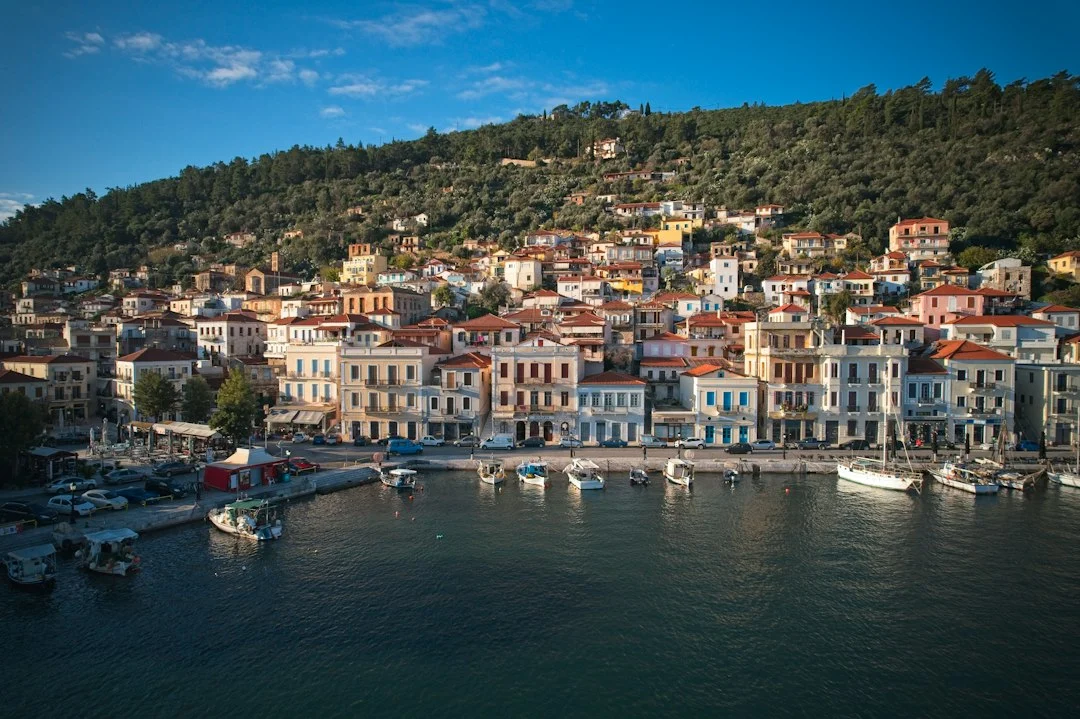
    Cost of living in Greece vs US: Athens city view with the Acropolis
    Photo: Constantinos Kollias / Unsplash

    Key facts

    TopicWhat to know
    Greek consumer prices vs EU average (2025)About 12–13% lower (Eurostat). The index is relative to the EU, not the US
    Greek minimum wage (April 2026)€920 gross per month (Ministry of Labour)
    Athens apartment prices 2024+8.5% (Bank of Greece)
    HealthcarePrivate insurance usually far cheaper than US plans; premiums rise with age
    TaxesGreek tax residence after 183 days; US citizens still file in the US
    CurrencyCosts are in euros; US income is in dollars, so the exchange rate matters
    Biggest variableHousing location

    Cost of living in Greece vs US: the big picture

    Greece is cheaper than the US for most day-to-day spending, but the saving depends heavily on where you live and where your income comes from. Eurostat’s price-level indices put Greek household consumption prices about 12–13% below the EU average in 2025 (Eurostat). That index is measured against the EU, not against the US, so treat it as a guide rather than a like-for-like comparison with any one American city.

    In practice, three things decide whether Greece feels cheap:

    • Location. Housing on the Athens Riviera and on the best-known islands costs far more than in mainland towns.
    • Income currency. Dollar income from abroad stretches much further than a salary paid locally in euros.
    • Tax position. US citizens file in the US, and Greek tax residents are taxed in Greece, so tax belongs in the budget from day one.

    Americans usually find the gap smallest for housing in prime areas and largest for healthcare, public transport and eating out. The sections below take each category in turn.

    Housing

    Housing is where location matters most, and it is the category where Greece is least likely to be dramatically cheaper than the US. Asking prices on the Athens Riviera averaged €4,231/m² in Q2 2026, compared with €1,400–1,700/m² in some western Athens areas (Spitogatos property index). Asking prices are not sale prices, and rents have also risen. Compared with New York, San Francisco or Boston, Athens is usually cheaper; compared with smaller US cities, the difference may be small for prime areas. See our Athens real estate guide.

    Renting or owning: what to price

    • Renting: monthly rent, plus the building’s common charges (koinochrista, the shared costs of lifts, cleaning and often heating), utilities, and any agency fee quoted.
    • Owning: ENFIA (the annual Unified Property Ownership Tax), common charges, insurance and maintenance. For the purchase itself, see how to buy a house in Athens and whether Americans can buy property in Greece.
    • Units: US listings use square feet and Greek listings use square metres. One m² is about 10.76 sq ft, so convert before comparing prices. Ask whether the stated area is gross or net.

    Food and eating out

    Food and eating out are usually cheaper in Greece than in US cities, especially if you buy local produce. Fresh fruit and vegetables, bread, olive oil and seasonal fruit are generally inexpensive at street markets (laiki). Imported goods, including many US brands, cost more. Eating out at local tavernas is usually cheaper than in US cities, and tipping is smaller.

    To compare fairly, price your own basket rather than relying on averages:

    1. List the 20 items you buy most often at home.
    2. Price them in a Greek supermarket and at a street market.
    3. Mark the items you would have to replace because the US brand is imported or unavailable.
    4. Check a few menus near the area you would live in, not only tourist areas.

    Healthcare

    Healthcare is often the largest saving for Americans. Private health insurance and private consultations in Greece generally cost a fraction of US equivalents, and residents insured through Greek social security use the public system at low cost. See healthcare in Greece for how public and private care work and what residence permits require.

    Budget for three layers: the public system if you are insured and eligible, a private policy for faster access or a wider choice of doctors, and out-of-pocket costs such as dental care and medicines your policy does not cover. A like-for-like comparison is in Healthcare costs compared below.

    Transport

    Athens has a metro, tram, buses and suburban rail with low fares, so many residents in central areas live without a car. Fuel and cars are generally more expensive than in the US. Outside Athens, and on most islands, a car is usually necessary. Fares and a car-cost checklist are in the transport section further down.

    Utilities

    Utilities are the one category that can cost as much as in the US, or more. Electricity prices in Greece have been volatile since 2022 and air conditioning in summer can be a significant cost. Ask for recent bills when renting or buying, and check these points:

    • How the building is heated (heating methods vary by building) and who pays.
    • The property’s energy performance certificate, which shows how efficient it is.
    • Internet and mobile coverage at the actual address, not only the neighbourhood.

    Taxes

    Greek income tax rates from 2026 range from 9% to 44% (Ministry of Finance), and US citizens continue to file US returns with treaty relief. Retirees may benefit from Greece’s 7% flat tax on foreign pensions, subject to conditions. Owners also pay ENFIA each year. See our Greek income tax guide. The mechanics for US citizens are in the tax section below.

    Comparison by category

    Greece is lower or similar in most categories, much lower for healthcare, and similar or higher for utilities. The table shows the direction of the difference and where to find current official data for each line.

    CategoryGreece vs typical US cityNoteWhere to check current data
    HousingLower to similarPrime Athens and islands are expensiveSpitogatos; Bank of Greece
    GroceriesLower for local produceImports cost moreEurostat price levels; your own basket
    Eating outLowerSmaller tipsMenus in your target area
    HealthcareMuch lowerPrivate cover affordableWritten insurance quotes
    TransportLower (public), higher (cars, fuel)Depends on car useOASA fares
    UtilitiesSimilar or higherSummer ACRecent bills for the address
    IncomeMuch lower locallyBring income from abroadMinistry of Labour

    Data dates: Eurostat price levels 2025; Spitogatos asking prices Q2 2026; Bank of Greece apartment price change 2024; OASA fares and the minimum wage as published when we last checked in October 2026. For the US side, the Bureau of Labor Statistics Consumer Expenditure Survey shows what American households spend by category. ELSTAT, the Hellenic Statistical Authority, publishes the equivalent household budget survey for Greece.

    Salaries and purchasing power

    Local salaries in Greece are much lower than in the US, so prices that look low to an American can feel high to someone paid locally in euros. The statutory minimum wage is €920 gross per month from April 2026 (Ministry of Labour), well below US levels. This explains why the saving shows up mainly for people whose income comes from abroad.

    A simple purchasing-power test works for any profile:

    1. Estimate your net monthly income after tax and social contributions, in the currency you will receive it.
    2. Convert it to euros at a realistic rate (see the dollar section below).
    3. Subtract the essentials from your worked budget.
    4. Compare what is left, as a share of income, with your margin in the US today.
    ProfileIncome currencyMain exposureWhat to check
    Remote worker or freelancer paid from abroadUsually USDExchange rate; Greek and US taxWhether Greek tax residence applies, and how it interacts with US tax
    Retiree on a US pension or Social SecurityUSDCurrency swings; private health coverInsurance quotes at your age; whether special pension tax rules apply
    Employee paid locallyEURLow local pay against high prime-area rentsNet pay against rent in the area you will actually live
    Property buyerEUR outflowsENFIA, common charges, maintenanceAnnual running costs of the specific property

    Building your cost of living in Greece per month

    The most reliable way to estimate the cost of living in Greece per month is to price each line yourself, in this order:

    1. Housing: rent or ownership costs (ENFIA, building charges, maintenance, insurance).
    2. Utilities: electricity, water, internet, mobile. Ask for recent bills and allow for summer air conditioning.
    3. Food: groceries and eating out, based on your own basket.
    4. Transport: public transport passes, or car costs such as fuel, insurance, road tax, parking and inspection.
    5. Healthcare: insurance premium plus out-of-pocket costs such as dental care and prescriptions.
    6. Leisure, travel and school fees if relevant. Many people forget flights home.
    7. Taxes in Greece and the US, and the cost of professional help with two tax returns.

    Compare with our guide to the cost of living in Athens, which looks at one city in more detail.

    Cost of living in Greece per month: worked approach

    Instead of copying a generic list, build your monthly figure from four blocks: housing, essentials, health and lifestyle. Housing is either rent or owner costs. Essentials are groceries, utilities, mobile and transport. Health is insurance and out-of-pocket. Lifestyle covers eating out, travel and hobbies. Get real quotes for your chosen area, then add a 10–15% buffer for the first year while you learn where to shop and what things cost. We do not give a total here, because any single number would be a guess.

    BlockIncludesWhere the real number comes fromMain swing factor
    HousingRent or ownership costs, common chargesListings, agent quotes, the building’s charge statementArea and condition
    EssentialsGroceries, utilities, mobile, transportYour basket, recent bills, OASA faresCar or no car; air conditioning
    HealthInsurance, dental, prescriptionsWritten insurer quotes for your ageAge and pre-existing conditions
    LifestyleEating out, travel, hobbies, schoolingYour current spending, adjustedTravel to the US; school choice

    Three frameworks, not three totals

    • Remote worker in central Athens: housing and the exchange rate dominate. Public transport replaces a car, and tax residence needs early advice.
    • Retiree outside Athens: health insurance, a car and heating or cooling are the main variable lines. Check currency exposure on a dollar pension.
    • Family with school-age children: school fees and housing size dominate. Ask each school for its current fee schedule.

    To turn one of these into a plan for a specific area, you can request a free consultation. We reply by email within one working day. You can also write to info@atticakey.gr.

    Greece cost of living by region

    Housing cost, not daily spending, is what separates Greek regions. Daily costs vary much less than property prices, apart from island seasonality. The table is qualitative; confirm current prices for any specific town.

    RegionHousing cost levelDaily costs
    Athens Riviera, northern suburbsHighModerate
    Central AthensMedium to highModerate
    ThessalonikiMediumLower
    Crete (outside Chania town)MediumLower
    Peloponnese and mainland townsLowerLower
    Mykonos, SantoriniVery highHigh in season

    Before choosing a region, check what the table does not show. On islands, ask about ferry or flight connections, winter services and distance to a hospital, which is part of the care picture in healthcare in Greece. In smaller towns, a car is usually a fixed cost. For an honest view of the trade-offs, see the pros and cons of living in Greece.

    Greece cost of living vs US in US dollars: converting a euro budget

    There is no single dollar figure for the cost of living in Greece in US dollars. Take each euro quote and multiply it by the EUR/USD rate for the day you will pay, then add your bank’s or transfer provider’s margin.

    1. Use the European Central Bank euro reference rates as a benchmark for the mid-market rate.
    2. Compare what your bank and a transfer service actually charge, both the rate they use and any fee.
    3. Stress-test: re-run the budget with the euro 5% and 10% stronger than today. A 5% move in the rate changes the dollar cost of every euro bill by 5%.
    4. Keep the master budget in euros and convert it afterwards, so a rate change does not hide a real price change.

    Exchange rates and US income

    If your income is in dollars, the EUR/USD exchange rate changes your effective cost of living in Greece. A stronger euro makes every Greek bill more expensive for you, even when Greek prices have not moved. Keep part of your savings in euros for large expenses such as property or school fees, and use a low-cost transfer service rather than a bank’s default rate.

    Retirees on Social Security should plan for currency swings when comparing the cost of living in Greece vs US over many years, because the payment is fixed in dollars while costs are in euros. We can help you get your Greek tax number (AFM, the tax identification number) and open a Greek bank account, which makes paying local bills in euros simpler. The lawyers we work with can also obtain the AFM and help open an account under a power of attorney.

    Cost of living in Greece vs US: transport

    Transport is one of the clearest savings in Athens if you can live without a car. A 90-minute public transport ticket costs €1.20 and a 24-hour ticket €4.10, and contactless cards work on the gates (OASA). Many households in Athens manage without a car or with one car, which is a big saving compared with most US cities. Outside Athens, a car is usually necessary.

    If you do need a car, price it fully before deciding:

    • Purchase or lease, and insurance.
    • Annual road tax (teli kykloforias) and the periodic vehicle inspection (KTEO).
    • Fuel, tolls and parking, which can be a real cost in central Athens.

    The decision usually follows the address: central Athens favours public transport, while islands and mainland towns favour a car.

    Tax: the line that surprises Americans

    US citizens keep filing US returns, and Greek tax residents also pay Greek tax, so tax is the line that surprises most Americans. The 2026 foreign earned income exclusion is up to $132,900 per person (IRS). It applies to foreign earned income and requires you to meet a residence or presence test. Greek tax residents pay Greek tax on worldwide income on a scale from 9% to 44%, unless a special regime applies. Pensioners may use the 7% flat tax under Article 5B. Put tax in your budget before comparing living costs.

    Questions to put to a tax adviser before you move:

    1. When would you become a Greek tax resident? The 183-day rule is one test, and your adviser should confirm how it applies to you.
    2. Which of your income is earned and which is pension or investment income?
    3. How do the US–Greece treaty and foreign tax credits apply to each type?
    4. Does a special Greek regime fit your case, and what are its conditions?

    Our Greek income tax guide explains the Greek side. This is general information, not tax advice.

    Healthcare costs compared

    Private health insurance in Greece usually costs much less than comparable US cover, but premiums rise with age and pre-existing conditions may be excluded. Medicare generally does not cover care abroad, so retirees need a Greek or international plan. We do not quote premiums, because they depend on age, health and cover level. Compare real quotes line by line:

    ItemIn the USIn GreeceWhat to ask for
    PremiumDepends on your plan and any employer sharePrivate premium by age and cover levelA written quote for your age and needs
    Deductible and co-paysSet by your planVaries by policy; some visits are paid directlyThe benefits table and annual limits
    Pre-existing conditionsDepends on your planMay be excluded or priced higherExclusions in writing
    Care abroadMedicare generally does not cover itNeeds a Greek or international planWritten confirmation that cover is valid in Greece

    Insurance requirements linked to a residence permit are covered in healthcare in Greece. Eligibility for any permit is decided by the Greek authorities.

    Also useful: whether Americans can buy property in Greece · how to buy a house in Athens

    Frequently asked questions

    Is Greece cheaper than the US?

    For most daily expenses, yes. Eurostat’s price-level data puts Greek consumer prices about 12–13% below the EU average in 2025, and groceries, eating out, public transport and healthcare are generally cheaper than in US cities. Housing in prime Athens and island areas narrows the gap, and local salaries are much lower.

    How much do I need per month to live in Greece?

    It depends mainly on where you live and whether you rent or own. We do not quote a single total, because it would be a guess. Build it from four blocks (housing, essentials, health, lifestyle), get real quotes for your area, then add a 10–15% buffer for the first year while you learn local prices.

    Is healthcare cheaper in Greece than the US?

    Generally yes. Private insurance and private consultations in Greece usually cost much less than comparable US cover, and residents insured through Greek social security can use the public system at low cost. Premiums rise with age, pre-existing conditions may be excluded, and Medicare generally does not cover care abroad, so compare actual quotes.

    Are salaries lower in Greece?

    Yes. The statutory minimum wage is €920 gross a month from April 2026, according to the Ministry of Labour, well below US levels. Everyday prices are lower too, yet imports and rent in prime areas can feel expensive on a local salary. Income earned abroad, in dollars, usually goes further than a Greek wage.

    Do Americans in Greece pay double tax?

    Usually not, thanks to the US–Greece tax treaty and foreign tax credits, but you generally need to file both returns. US citizens file in the US wherever they live, and Greek tax residents are taxed in Greece on worldwide income. Ask a tax adviser how the treaty and the foreign earned income exclusion apply to you.

    How much is the cost of living in Greece in US dollars?

    There is no single figure. Take a euro quote, multiply by the current EUR/USD rate, and add a margin for your bank’s or transfer service’s spread. A 5% move in the exchange rate changes the dollar cost of every euro bill by 5%, so keep some savings in euros for large expenses.

    Sources

    Last checked: October 2026. General information only, checked against the sources listed above. It is not legal, tax or immigration advice, and rules change. Before you commit, ask our partner lawyers to confirm your own case, and a tax adviser for tax questions. AtticaKey may receive a referral fee from its partner lawyers; you are free to use your own lawyer instead.

    Free Golden Visa consultation

    Tell us what you are looking for and we will reply by email within one working day with eligible properties, the current investment thresholds and the next steps. No obligation.
    By sending this form you agree that AtticaKey may contact you about your request.

  • Best Places to Live in Greece for Expats (2026)

    Best Places to Live in Greece for Expats (2026)

    EN

    AtticaKey / Moving to & Living in Greece / Best places to live in Greece

    Best Places to Live in Greece for Expats (2026)

    The best places to live in Greece depend on your priorities: city services, the sea, schools, a year-round community, airport access or budget. This guide compares ten places that expats choose most often, with 2026 asking-price data where it is published and the Golden Visa band that applies. It is also a good starting point if you are looking for the best places to retire in Greece. For the city, see our guide to Athens neighborhoods.

    Best places to live in Greece: Peloponnese coast and hills

    Key facts

    Most expensive region (asking, Q2 2026)Southern Athens suburbs, €4,231/m²
    Cyclades€4,063/m²
    Northern Athens suburbs€3,519/m²
    Thessaloniki asking-price growth (year to Q2 2026)+7.7%
    Golden Visa €800,000 bandAttica, Thessaloniki, Mykonos, Santorini, islands over 3,100 residents
    Golden Visa €400,000 bandRest of Greece

    1. Athens Riviera

    Glyfada, Voula and Vouliagmeni combine beaches with city services and quick airport access. Popular with families and retirees; among the most expensive areas. See Glyfada real estate. Golden Visa band: €800,000.

    2. Northern Athens suburbs

    Kifisia, Psychiko and Chalandri offer green streets, schools and cooler summers. See our Kifisia guide. Band: €800,000.

    3. Central Athens

    Kolonaki, Koukaki and Pangrati suit those who want walkable city life, culture and cafés. Band: €800,000, with €250,000 conversions more common here.

    4. Thessaloniki

    Greece’s second city has a seafront, a big student population, excellent food and lower prices than Athens; the regional unit is in the €800,000 band. Kalamaria averaged €3,175/m² in Spitogatos asking prices in Q2 2026.

    5. Crete

    Large, self-sufficient, with airports at Heraklion and Chania, hospitals and a long season. Chania averaged €3,102/m². Crete has more than 3,100 residents, so the €800,000 band applies.

    6. Peloponnese

    Nafplio, Kalamata and the Mani offer history, beaches and lower prices within reach of Athens by motorway. Band: €400,000 in most areas.

    7. Corfu and the Ionian

    Green landscapes, a British expat community and direct flights in summer. Corfu is in the €800,000 band; smaller Ionian islands may be €400,000.

    8. Halkidiki

    Beaches and pine forests an hour from Thessaloniki; popular with buyers from the Balkans and Central Europe. Band: €400,000 (outside the Thessaloniki regional unit).

    9. Pelion and Volos

    Mountain villages above the sea, with Volos as a lively university town. Band: €400,000.

    10. Smaller islands

    Islands with 3,100 residents or fewer offer peace and a €400,000 band, but services and ferries are limited in winter. See the cheapest Greek islands to buy property.

    Comparison table

    PlaceBest forGolden Visa band
    Athens RivieraSea + city€800,000
    Northern AthensFamilies, schools€800,000
    Central AthensCity life€800,000 (€250,000 conversions)
    ThessalonikiValue city€800,000
    CreteYear-round island€800,000
    PeloponneseValue, history€400,000
    CorfuGreen island€800,000
    HalkidikiBeaches€400,000
    PelionMountains + sea€400,000
    Small islandsPeace€400,000

    How to choose the best place to live in Greece for you

    • Airport within an hour if you travel often.
    • Hospital access, especially for retirees.
    • International schools for families.
    • Year-round community, not just summer.
    • Your Golden Visa budget band.

    Read about healthcare in Greece and Golden Visa eligible property.

    Best place to live in Greece for expats by profile

    ProfileGood choicesWhy
    Families with childrenNorthern Athens, Glyfada, ThessalonikiInternational schools, hospitals
    RetireesAthens Riviera, Crete, Peloponnese, CorfuClimate, healthcare, community
    Remote workersCentral Athens, Thessaloniki, ChaniaCo-working, flights, cafés
    Budget-focusedPeloponnese, Pelion, northern GreeceLower prices, €400,000 Golden Visa band
    Island loversCrete, Corfu, smaller CycladesLifestyle; check winter services

    Best places to retire in Greece: what to check

    • Distance to a hospital with emergency and cardiology services.
    • Accessibility: stairs, steep streets and ferry dependence matter more with age.
    • A year-round community and English-speaking services.
    • Direct flights to your home country for family visits.

    Visit before you decide

    Spend at least a week in each shortlisted place, ideally once in summer and once in winter. Rent before you buy if you are unsure. When you are ready, use our house-buying guide or contact us for a shortlist.

    Best places to live in Greece: practical comparison

    PlaceGetting thereWinter lifeGolden Visa zone
    Athens Riviera / northern suburbsAthens airport, metro, tramBusy year round€800,000
    ThessalonikiInternational airportBusy year round€800,000
    Crete (Chania, Heraklion)Two international airportsActive towns, quieter coast€800,000 on islands over 3,100 residents
    Peloponnese (Nafplio, Kalamata)Motorway from Athens; Kalamata airportQuiet but lived-in€400,000
    CorfuAirport, ferries to ItalyQuieter, mild€800,000 (large island)
    Pelion / VolosRoad and Volos airportUniversity city, mountain villages€400,000

    Border areas: a point for non-EU buyers

    Some attractive places, including Rhodes and the rest of the Dodecanese, Lesvos, Chios, Samos and Santorini, are border areas where non-EU buyers need prior permission to buy (ELRA). It is usually granted but takes time.

    Choosing the best place to live in Greece for work

    Remote workers need reliable fibre or 5G and good flight connections. Athens and Thessaloniki have the best options, followed by Crete’s cities. Smaller islands can have slower connections in winter, and ferry timetables shrink. Digital nomads need €3,500 a month net income from outside Greece for the permit.

    Also useful: the cheapest Greek islands to buy property · the best Athens neighborhoods

    Frequently asked questions

    What is the best place to live in Greece for expats?

    Athens (Riviera and northern suburbs), Thessaloniki, Crete and the Peloponnese are the most popular, each for different reasons.

    Where is the best place to retire in Greece?

    Retirees often choose the Athens Riviera, Crete, the Peloponnese and Corfu for climate, services and hospitals.

    Where is cheapest to live in Greece?

    Inland and northern mainland regions and smaller towns are cheapest; Kastoria and Florina had the lowest asking prices in Q2 2026.

    Which areas have the €400,000 Golden Visa threshold?

    All areas outside Attica, Thessaloniki regional unit, Mykonos, Santorini and islands with more than 3,100 residents.

    Is Thessaloniki cheaper than Athens?

    On average yes, though prices in Thessaloniki have been rising faster.

    Sources

    Last checked: October 2026. General information only, checked against the sources listed above. It is not legal, tax or immigration advice, and rules change. Before you commit, ask our partner lawyers to confirm your own case, and a tax adviser for tax questions. AtticaKey may receive a referral fee from its partner lawyers; you are free to use your own lawyer instead.

    Free Golden Visa consultation

    Tell us what you are looking for and we will reply by email within one working day with eligible properties, the current investment thresholds and the next steps. No obligation.
    By sending this form you agree that AtticaKey may contact you about your request.

  • Healthcare in Greece for Expats and Golden Visa Holders

    Healthcare in Greece for Expats and Golden Visa Holders

    EN

    AtticaKey / Moving to & Living in Greece / Healthcare in Greece

    Healthcare in Greece for Expats and Golden Visa Holders

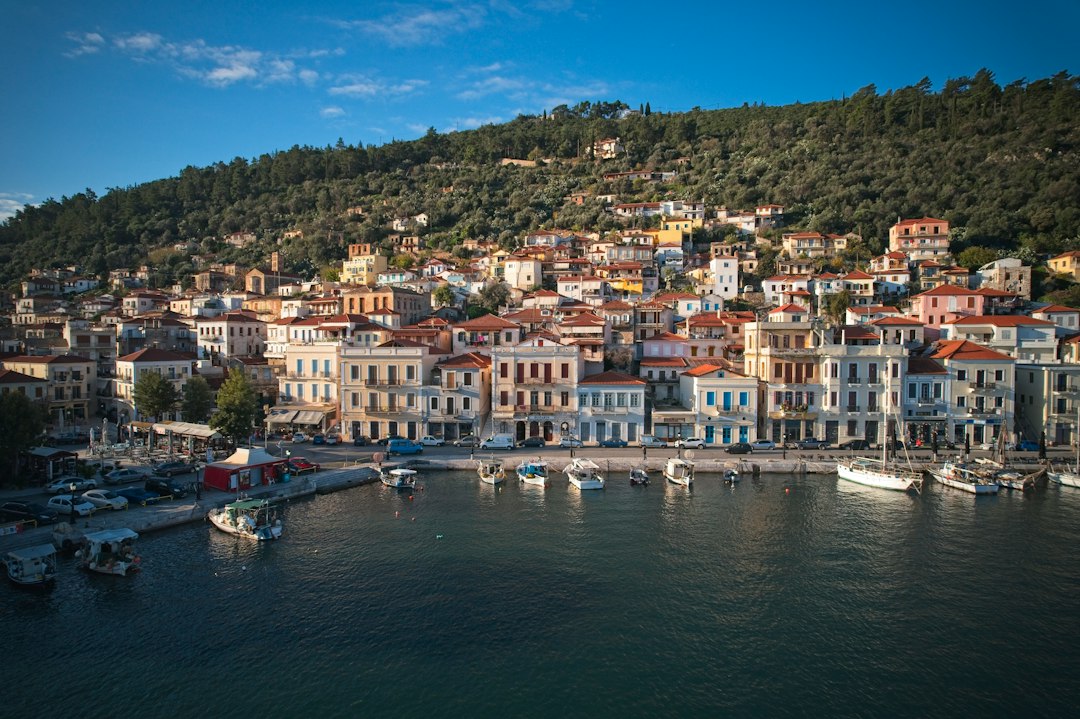
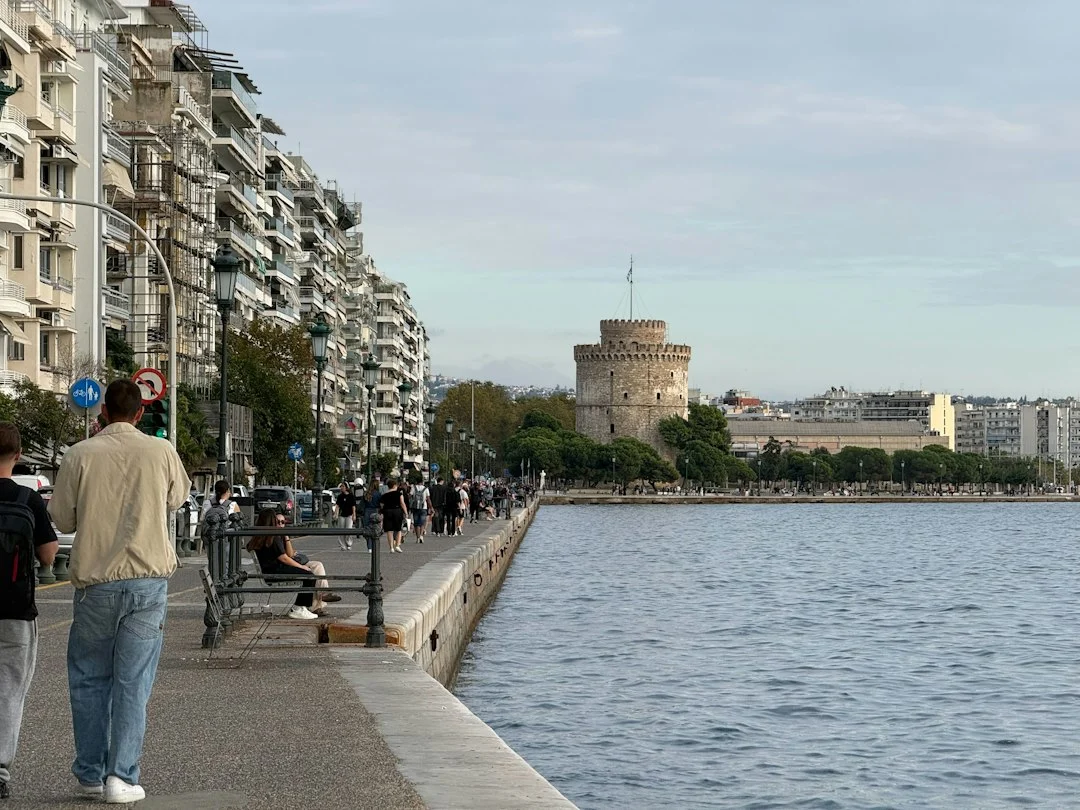
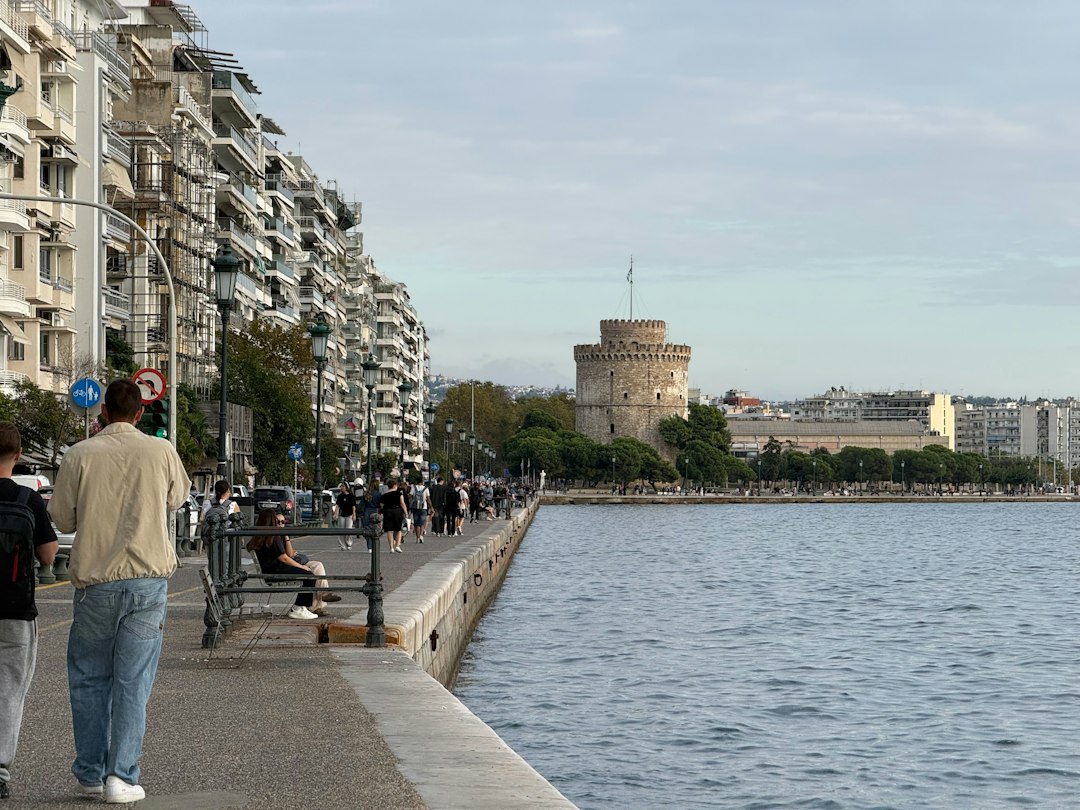
    Healthcare in Greece: Thessaloniki waterfront, home to major hospitals

    Healthcare in Greece runs on two tracks: a public national health system (ESY) funded through social insurance, and a large private sector concentrated in Athens, Thessaloniki and the bigger towns. For most non-EU buyers who do not work in Greece, the practical answer is private health insurance, with the public system as a backstop for emergencies and, where you qualify, for insured residents. This guide explains how the Greece healthcare system works in 2026, how AMKA and EFKA registration fit in, what a Golden Visa application is reported to require, and how to choose cover. For the residence routes themselves, see Greece residency by investment.

    This is general information, not medical advice. Eligibility for any permit or for public coverage is decided by the Greek authorities.

    Key facts

    ItemDetail
    Public systemESY (national health system); EOPYY is the national health insurer
    Personal numberAMKA (social security and health number)
    Social security bodye-EFKA
    Golden Visa insurancePrivate health insurance valid in Greece is reported as required at application from 2026 (secondary source only; confirm on migration.gov.gr)
    UK state pensionersAn S1 form may give access to state healthcare, depending on your circumstances
    Temporary visitorsEHIC (EU) or GHIC (UK) for necessary care during short stays
    Emergency numbers112 (EU-wide); 166 ambulance

    How the Greek healthcare system works

    Greek healthcare is a mixed system. The national health system (ESY) runs public hospitals and health centres, and EOPYY, the national health insurer, funds care for people insured through social security contributions. Private hospitals, clinics and doctors operate alongside it and are paid by patients or private insurers. See EOPYY.

    The public side: ESY, EOPYY and EFKA

    e-EFKA manages social security records and contributions, while EOPYY arranges health services for insured people. Insured residents hold an AMKA number, can register with a family doctor, receive prescriptions electronically and use public hospitals with low or no fees. See e-EFKA.

    The private side

    Private hospitals, diagnostic centres, dentists and self-employed specialists are paid directly by patients or through private insurance. This is where most foreign residents who are not working in Greece receive routine care.

    Is Greek healthcare free?

    Not for everyone. Public care is free or low cost for people insured through Greek social security, and emergency care is provided to all, but that does not mean a person with no cover will never be billed. Ask the hospital about charges, and see the FAQ below.

    Who can use public healthcare in Greece?

    Access to public healthcare depends on your insurance status, not on owning property or holding a residence permit. Typically the following groups can use it:

    • Employees and self-employed people paying contributions to e-EFKA.
    • Family members of insured people.
    • Pensioners covered by Greek pensions, or UK state pensioners with an S1.
    • EU citizens with EHIC for necessary care during visits.
    • Uninsured residents may have limited access; private insurance is the norm for non-working permit holders.

    If you are unsure which group you fall into, ask our partner lawyers to confirm your own case. The final answer sits with EFKA and the other Greek authorities.

    EFKA and AMKA registration for residents

    AMKA is your Greek social security and health number, and you obtain it through the Greek social security system. Insured residents generally need it for public doctors, public hospitals and electronic prescriptions. The official AMKA service and e-EFKA explain the process.

    AMKA is not the same as coverage

    The number identifies you in the system. Whether you are covered for public care depends on your insurance status, for example through employment contributions or a qualifying pension. A non-working permit holder may need private insurance even after receiving an AMKA.

    A practical sequence

    1. Get your Greek tax number (AFM) first, because most registrations ask for it. We help you get your AFM, and the lawyers we work with can obtain it under a power of attorney.
    2. Gather proof of identity and of your residence status. The exact document list depends on your category and is set by EFKA.
    3. Apply through the official AMKA channel or an EFKA office.
    4. Once you hold an AMKA, ask your doctor how prescriptions are issued to you.

    Health insurance for the Golden Visa and other permits

    Golden Visa applicants are reported to need comprehensive private health insurance valid in Greece, or foreign insurance that explicitly covers Greece, at application from 2026. The only source we have found is a secondary summary of Ministry Circular 1/21.04.2026 by EY Greece, not the circular itself. Confirm the current requirement on migration.gov.gr, with our partner lawyers, or in our Golden Visa Greece guide.

    What to check in the policy

    • It is valid in Greece and is comprehensive, with in-patient and out-patient cover.
    • Annual limits are sufficient and exclusions do not leave existing conditions uncovered.
    • It states clearly that Greece is covered if the insurer is based abroad.
    • The certificate of insurance matches the name and dates on your permit application.

    FIP, digital nomad and other categories

    FIP and digital nomad applicants are also generally expected to show health cover. Document lists differ by category, so check the current list for yours. Holding the permit does not by itself make you an insured person in the Greek system. The permit and your public access are separate questions.

    Private healthcare in Greece

    Private healthcare in Greece is well developed in Athens and Thessaloniki, with English-speaking doctors and short waiting times. Large hospitals and clinics operate in Athens (for example in Marousi, Kifisia and the southern suburbs). Many expats use private care for routine visits and diagnostics, and the public system for emergencies.

    Costs vary by provider and procedure, and are generally lower than in the US, though that depends on your insurance. Ask for a written estimate before any planned procedure. See our Greece cost of living vs the US guide for the wider budget.

    Using insurance at a private hospital

    • Some insurers have a network with direct billing, and others reimburse you after you pay.
    • For planned treatment, ask whether pre-authorisation is needed.
    • Keep invoices, reports and prescriptions, which reimbursement claims usually require.

    Private hospital groups in Athens and Thessaloniki

    Several private hospitals and clinics serve foreign residents around Athens and Thessaloniki. The list below gives names and locations for orientation only. It is not a ranking, and inclusion is not a recommendation. Always check whether your insurer’s network includes the hospital you prefer.

    CityHospitals (alphabetical)
    Athens (Marousi)Athens Medical Center; Hygeia Hospital; Mitera Hospital
    Athens (other areas)Euroclinic Athens; Henry Dunant Hospital Center; Iaso; Metropolitan General (Cholargos); Metropolitan Hospital (Neo Faliro)
    ThessalonikiInterbalkan Medical Center; Saint Luke’s Hospital

    Public vs private at a glance

    The public system is cheaper for insured patients and available nationwide, while private care is faster and more convenient but concentrated in cities. Most expats choose by status, location and the type of care they need.

    Public (ESY)Private
    Cost to patientLow with insurancePaid or via insurance
    Waiting timesCan be long for non-urgent careShort
    EnglishVariableCommon
    LocationsNationwide, incl. islandsMainly Athens, Thessaloniki, big towns
    What you needInsured status and AMKAA policy or payment

    Healthcare on the islands

    Smaller islands have health centres but limited hospital services, and serious cases are transferred to the mainland or a larger island. Before you buy on a small island, find the nearest hospital, learn how transfers work and check that your insurance covers them. Cheaper islands often have thinner services, so weigh this alongside price in our guide to the cheapest Greek islands to buy property.

    Pharmacies and prescriptions

    Pharmacies are everywhere in Greece, and pharmacists give advice on minor problems. Prescriptions are electronic for insured patients. Bring a supply and documentation for any regular medication when you move, and note the active ingredient, because brand names differ between countries.

    A rota of duty pharmacies keeps some open outside normal hours, and local pharmacies display the current list. Check before travelling with any controlled medicine, and ask your doctor for a letter.

    Emergency care: 112 and 166

    In a medical emergency call 112, the EU-wide number, or 166 for an ambulance. Give your exact location first, because on islands and in rural areas an address alone may not be enough. Greek public hospitals take turns as the duty emergency hospital, so the nearest one may not be the one you are sent to. For more on day-to-day safety, see is Greece safe for Americans.

    • Save 112 and 166 in your phone and teach them to everyone in your household.
    • Keep your insurance details and AMKA, if you have one, easy to find.
    • Know the Greek name of your street and a nearby landmark.
    • For urgent but non-life-threatening problems, a private clinic or health centre may be quicker.

    The national ambulance service is EKAB, see EKAB.

    Steps for new residents

    New residents should arrange private cover first, then register for the numbers they need and find a doctor. A sensible order is:

    1. Check the insurance requirement for your permit category and buy private health insurance that meets it.
    2. Get an AFM, then an AMKA where you are eligible.
    3. Register an S1 if you are a UK state pensioner and eligible.
    4. Find a private GP or family doctor, and book an initial visit before you need one.
    5. Transfer your medical records, ideally with an English summary.
    6. Save 112 and 166 in your phone.

    If you would like help with the AFM step, or want our partner lawyers to look at how your permit and insurance fit together, request a free consultation. We will reply by email within one working day.

    Greek healthcare for different types of residents

    Your cover depends mainly on your category. The table shows the typical position, but entitlements are decided by EFKA and the other Greek authorities, so treat it as a guide only.

    Resident typeTypical coverPublic access
    Golden Visa holder (not working)Private insuranceEmergency care; public system only if insured
    FIP permit holderPrivate insuranceAs above
    Digital nomadPrivate insurance; may contribute in Greece if tax residentDepends on contributions
    Employee in Greecee-EFKA contributionsFull EOPYY cover
    UK state pensioner with S1S1Full EOPYY cover
    EU citizen visitingEHICNecessary care

    Choosing private health insurance in Greece

    Choose private health insurance in Greece by matching the policy to your situation, then check the details against the permit wording. Use this checklist:

    • Check that in-patient cover includes major private hospitals in your area.
    • Look for out-patient cover for doctors, diagnostics and medicines.
    • Confirm the policy meets the permit wording (valid in Greece, comprehensive).
    • Compare deductibles and annual limits; older applicants should check age limits for renewals.
    • Ask whether existing conditions are covered or excluded.

    What to prioritise by situation

    Your situationPrioritise
    Non-working permit holder, good healthMeeting the permit wording, solid in-patient cover
    Retiree or chronic conditionPre-existing condition terms, renewal guarantees, out-patient limits
    Family with childrenPaediatric and maternity cover, and any waiting periods
    Island residentEvacuation and transfer cover
    Part-year residentCover in both countries, and clarity on who pays first

    Healthcare for retirees and chronic conditions

    Retirees and people with chronic conditions should plan continuity of care before moving. The main risks are insurance exclusions for existing conditions, age limits on renewal and gaps between your old and new doctors. Read our guides on how to retire in Greece and retirement age and pensions in Greece for the wider picture.

    • Ask your doctor for an English summary of your history, diagnoses and treatment.
    • List medications by active ingredient and keep recent test results.
    • Identify a Greek GP and the relevant specialists before you need them.
    • Check what the policy says about long-term or nursing care, which standard health policies often limit.
    • Choose your location with the nearest hospital in mind.

    Dental and specialist care

    Dental care in Greece is mostly private and generally less expensive than in the US or UK. Dental cover in insurance plans is often limited or optional, so check it. Specialists in Athens and Thessaloniki often speak English and can be seen quickly in private practice, generally without a referral. Many Greek private insurance plans have networks of doctors with direct billing.

    The Greece healthcare system on islands and in summer

    Island health centres become very busy in summer. If you live on an island, keep a summary of your medical history and medications, know where the nearest hospital is, and check whether your insurance covers air ambulance or transfer to Athens. For families, ask about paediatric cover locally. Read more about choosing a place to live in our guide to the best places to live in Greece.

    Healthcare in Greece: key numbers and contacts

    These are the main numbers and bodies to keep to hand. Emergency numbers are carried from our existing checks, so confirm with the official sites linked below.

    ItemDetail
    Emergency number112 (EU-wide); ambulance 166
    Social security numberAMKA, needed for public doctors and prescriptions
    Public insurerEOPYY (covers people insured through EFKA)
    Permit requirementGolden Visa and FIP applicants need insurance valid in Greece
    Questions about this guideinfo@atticakey.gr

    Healthcare in Greece for UK and EU citizens

    EU citizens who move to Greece and work join the Greek system through EFKA. UK and EU state pensioners may be covered through an S1 form issued by their pension country and registered in Greece. A European Health Insurance Card (EHIC) or UK GHIC covers necessary treatment during temporary stays only, not residence. Non-EU retirees on the FIP or Golden Visa need private insurance.

    For UK pensioners, S1 eligibility depends on your circumstances, so check the GOV.UK guidance on living in Greece. Our guide to moving to Greece from the UK covers post-Brexit visas, healthcare and tax.

    If you are moving from the US, do not assume your current US plan covers you once you live in Greece. Ask the plan administrator, and see moving to Greece from the US.

    What private health insurance should cover

    A good policy covers hospital stays, out-patient care and transfers, and is clear about existing conditions. Check these points before you buy:

    • Hospitalisation in private hospitals in Athens or Thessaloniki.
    • Outpatient visits and diagnostics, which are often the most frequent costs.
    • Pre-existing conditions: check exclusions and waiting periods carefully.
    • Evacuation or air transfer from islands.
    • Renewal guarantees as you get older.

    Questions to ask the insurer

    • Is the policy valid in Greece and does the certificate say so in English?
    • Which Greek hospitals are in the direct-billing network?
    • What happens to cover and premiums at renewal as I get older?
    • Are medicines, dental care and maternity covered, and after what waiting period?

    Keep the policy and its certificate with your permit documents, and ask our partner lawyers to confirm your own case if any wording is unclear.

    Also useful: how to retire in Greece · schooling in Greece

    Frequently asked questions

    Does Greece have free healthcare?

    Not for everyone. Public care through the national health system (ESY) is free or low cost for people insured through Greek social security, and emergency care is provided to all. Non-working permit holders are usually expected to hold private insurance, so check your own status with the Greek authorities and our partner lawyers.

    Do I need private health insurance for the Golden Visa?

    Applicants are reported to need comprehensive private insurance valid in Greece, or foreign cover that explicitly includes Greece. The only source we have is a secondary summary (EY Greece) of Circular 1/21.04.2026, not the circular itself. Confirm the current requirement on migration.gov.gr or with our partner lawyers before buying.

    Is healthcare in Greece good?

    It depends on where and how you use it. Large private hospitals and clinics in Athens and Thessaloniki are widely used by expats, with English-speaking doctors and short waits. Public hospitals vary by location and can have longer waits for non-urgent care, and island services are more limited, so many expats combine private cover with public emergency care.

    Can UK pensioners use Greek healthcare?

    UK state pensioners may be able to use an S1 form, issued by the UK and registered in Greece, to access Greek state healthcare at the UK’s expense. Eligibility depends on your circumstances and date of move, so check the GOV.UK Living in Greece guidance. A GHIC covers necessary care during temporary visits only.

    What is AMKA?

    AMKA is the Greek social security and health number. Insured residents need it to see public doctors, use public hospitals and receive electronic prescriptions. It is issued through the Greek social security system, and the official AMKA service explains the process. Eligibility and documents depend on your status, so check with EFKA or our partner lawyers.

    What number do I call in a medical emergency in Greece?

    Call 112, the EU-wide emergency number, or 166 for an ambulance. Give your exact location, which matters most on islands and in rural areas, and say clearly what has happened. Save both numbers in your phone and keep your insurance details and AMKA, if you have one, easy to find.

    Sources

    Last checked: October 2026. General information only, checked against the sources listed above. It is not legal, tax or immigration advice, and rules change. Before you commit, ask our partner lawyers to confirm your own case, and a tax adviser for tax questions. AtticaKey may receive a referral fee from its partner lawyers; you are free to use your own lawyer instead.

    Free Golden Visa consultation

    Tell us what you are looking for and we will reply by email within one working day with eligible properties, the current investment thresholds and the next steps. No obligation.

    By sending this form you agree that AtticaKey may contact you about your request.

  • Do US Citizens Need a Visa for Greece? Short Stays vs Residency

    Do US Citizens Need a Visa for Greece? Short Stays vs Residency

    EN

    AtticaKey / Moving to & Living in Greece / Do US citizens need a visa for Greece?

    Do US Citizens Need a Visa for Greece? Short Stays vs Residency

    Do US citizens need a visa for Greece? For tourism, family visits and business meetings, no: Americans can stay in Greece and the rest of the Schengen area for up to 90 days in any 180-day period without a visa. For anything longer you need a national visa or a residence permit, and the right route depends on your purpose. This guide explains the 90/180 rule, the EU Entry/Exit System that now records your passport, the future ETIAS, and the Greece visa for US citizens who want to stay longer. If you are comparing permits, start with our overview of Greece residency by investment.

    The answer depends on what you plan to do and for how long. A holiday, a property-viewing trip or a business meeting is a short stay. Living in Greece, working remotely for months or studying is not. We take each case in turn and link the official sources, so you can see which rule applies before you book flights or sign anything.

    Do US citizens need a visa for Greece: Santorini white houses

    Key facts

    QuestionAnswer
    Visa for short visitsNot required, up to 90 days in any 180
    What the 90 days coverAll Schengen countries together, not Greece alone
    Passport validityAt least 3 months beyond departure; issued within 10 years
    Entry/Exit System (EES)Fully operational since 10 April 2026
    ETIASNot yet in operation; fee €20 when launched
    Longer staysNational D visa or residence permit (Golden Visa, FIP, Digital Nomad)
    Who decides on permitsEligibility is decided by the Greek authorities
    Overstay riskFines, entry bans

    What changed in 2026

    Two changes matter to US travellers in 2026. Both are confirmed by official EU pages as of our last check in October 2026.

    • EES is live. The EU Entry/Exit System has been fully operational in all Schengen countries since 10 April 2026. Passports are no longer stamped, and your entries and exits are recorded electronically (European Commission).
    • ETIAS has not started. The travel authorisation for visa-exempt travellers is not yet in operation, and the EU has said it will announce the start date several months in advance (official ETIAS site).

    Short stays: the 90/180 rule

    US citizens can visit Greece without a visa for tourism, family visits or business meetings for up to 90 days in any rolling 180-day period. The count covers all Schengen countries together, so time in Italy or France counts too. Use the European Commission’s short-stay calculator to check your dates.

    What a visa-free stay covers

    A visa-free stay is meant for visits: holidays, seeing family and friends, attending business meetings and viewing properties. None of these needs a visa, but you must still meet the passport rules and be registered at the border.

    What it does not cover

    • Living in Greece for more than 90 days in a 180-day period.
    • Taking a job with a Greek employer.
    • Working remotely for months from a Greek base. The Digital Nomad route exists for this.
    • Studying for more than 90 days.

    Whether a particular activity counts as a business visit or as work is decided by the Greek authorities. If your plans sit on the line, ask our partner lawyers to confirm your own case before you travel.

    Your passport decides the rule

    The visa-free rule applies to US passport holders. Residence status elsewhere does not change it. Family members travelling on other passports follow the rules for their own nationality (see the family section below).

    Passport requirements

    Your passport should be valid for at least three months after the date you plan to leave the Schengen area and must have been issued within the previous ten years, according to the US State Department. Both conditions must be met, so check the issue date as well as the expiry date.

    • Work out your planned departure date from the Schengen area, then count three months forward from it.
    • Renew before you book if the passport is close to either limit.
    • Make sure the name on your tickets and accommodation bookings matches the passport exactly.
    • Keep digital copies of the photo page separately from the passport.

    EES: the new Entry/Exit System

    Since 10 April 2026 the Entry/Exit System is fully operational in all Schengen countries. On your first entry, border guards register your passport, fingerprints and a facial image; later entries and exits are recorded electronically. Passport stamping has ended. The system calculates your 90/180 days automatically, so overstays are easy to detect. See the European Commission’s explanation.

    What to expect at the border

    • On your first entry, expect a short registration: passport, fingerprints and a facial image.
    • On later entries and exits, the record is updated electronically instead of being stamped.
    • Do not rely on passport stamps as proof of your dates. Keep your own log of every entry and exit.
    • Allow extra time at busy airports, especially on your first trip after the system went live.

    EES and ETIAS: status check (October 2026)

    EESETIAS
    What it isBorder system that records entries and exitsOnline travel authorisation for visa-exempt travellers
    StatusFully operational since 10 April 2026Not yet in operation
    What you doRegister at the border on first entryNothing yet. Apply online only once it launches.

    ETIAS: not yet required

    ETIAS is a future online travel authorisation for visa-exempt travellers, including Americans. It is not yet in operation, and the EU has said it will announce the start date several months in advance. When it launches, the fee will be €20. Beware of unofficial websites. Check the official ETIAS site.

    ETIAS is a pre-travel authorisation for visa-exempt travellers, not a visa. It will not extend your 90 days. Because it has not started, nobody can validly sell you one today. Any website that offers to process an ETIAS application now, or adds a service fee on top of the official one, is not the official service. Check the official site again before each trip, because the start date may be announced between visits.

    Greek visas for US citizens who want to stay longer

    PurposeVisa / permitMain condition
    Retire or live on passive incomeNational D visa then FIP permit€3,500/month
    Remote workDigital Nomad visa / permit€3,500/month net
    Own property and resideGolden VisaQualifying property
    Work for a Greek employerWork visaJob offer and permit
    StudyStudent visaEnrolment

    The Golden Visa is applied for inside Greece after you buy, usually entering visa-free. The FIP and Digital Nomad routes start with a national D visa from a Greek consulate in the US. Compare them in Greece residency by investment.

    Which route fits your plan?

    • You are retired or live on pensions and savings: the FIP route, with a national D visa first. See the Greece FIP visa explained.
    • You work remotely for a non-Greek employer or clients: the Digital Nomad visa and permit, described on the gov.gr page.
    • You want to buy property and live in Greece: the Golden Visa, covered below and in our Golden Visa Greece guide.
    • You have a Greek job offer or a place at a university: a work or student visa.

    The right route turns on income, assets, family and your plans for the property. Eligibility is decided by the Greek authorities. For a full comparison of permits for non-EU buyers, see residence permit types in Greece.

    Can I stay longer than 90 days if I own property?

    No, owning property does not extend your visa-free stay. You need a residence permit. The Golden Visa is designed for this: once you own a qualifying property, you can apply for a five-year permit that lets you stay as long as you like in Greece. See our Golden Visa Greece guide.

    The thresholds depend on location. The Ministry of Migration and Asylum lists €800,000 for Attica, Thessaloniki, Mykonos, Santorini (Thira) and islands with more than 3,100 residents. It lists €400,000 for the rest of Greece, and €250,000 for converting commercial property to residential use (Law 5100/2024 Art. 64(1) and Circular 9/24.09.2024, summarised on the ministry’s Golden Visa page). On the €800,000 and €400,000 routes the investment is a single property with a main area of at least 120 m². Golden Visa properties may not be let short term.

    Buying is a separate question from residing. Non-EU/EFTA buyers need prior permission to buy in Greek border areas, and a sale without it is void (Law 1892/1990, Art. 25). We cover this in whether Americans can buy property in Greece.

    Practical tips

    • Track your days; EES will.
    • Keep your own travel log of entries and exits, so you can check the system’s count.
    • Carry proof of onward travel and accommodation.
    • Get travel insurance.
    • Check your passport’s issue and expiry dates before booking.
    • Use only official websites for ETIAS and for consulate appointments.
    • If you plan a longer stay, start the visa or permit process well before your trip. Consulate appointments and document preparation both take time.
    • If you apply for a residence permit, your application certificate may allow you to stay while it is processed; ask our partner lawyers.

    Greece visa for US citizens: national D visa steps

    A national D visa lets you enter Greece for a stay longer than 90 days, after which you apply for the residence permit itself. The steps below follow the usual order. Document lists differ by visa category, so confirm them with the consulate.

    1. Book an appointment at the Greek consulate responsible for your US state. Check the consulate’s own page for how appointments work.
    2. Prepare the application, passport, photos, proof of income, health insurance and accommodation.
    3. Provide criminal record certificates if requested, with apostille.
    4. Attend the interview and wait for the decision.
    5. Enter Greece and apply for the residence permit before the visa expires.

    Documents to prepare

    • A valid passport that meets the validity rules above.
    • Passport photos in the format the consulate asks for.
    • Proof of your income or means, matching your route (FIP, Digital Nomad or another).
    • Health insurance that meets the consulate’s requirements.
    • Proof of accommodation in Greece, such as a lease or title deed.
    • Criminal record certificates with apostille, plus any translations the consulate requests.

    After you arrive: permit, AFM and bank account

    Once you are in Greece, a Greek tax number (AFM) and a Greek bank account are practical next steps. We help you get your Greek tax number (AFM) and open a Greek bank account, and the lawyers we work with can obtain the AFM and help open an account under a power of attorney.

    If you would like help understanding which visa route fits your situation, you can request a free consultation; we will reply by email within one working day. Immigration and tax questions go to the lawyers we work with and to a tax adviser. You are also free to appoint a Greek lawyer of your choice.

    Do I need a visa for Greece if I have a Golden Visa?

    No. Golden Visa holders use their residence card to live in Greece for the validity of the permit and to travel within Schengen under the short-stay rules for other countries. Family members on the permit have the same right. See Golden Visa costs for fees.

    The permit is valid for five years and is renewable (Ministry of Migration and Asylum). The official fees are:

    ItemAmount
    Permit fee, main applicant€2,000 (Law 5038/2023 Art. 171)
    Each family member€150; minors exempt (Law 5038/2023 Art. 171(1)(b), 171(2)(c))
    Residence card€16 per card

    The fee codes on mitos.gov.gr are 2112 (main applicant), 2107 (family member) and 2119 (card). The Golden Visa is the only route in this guide that depends on a property purchase. Remember that a Golden Visa property may not be let short term.

    Visa for non-US family members travelling with you

    Each traveller’s visa requirement depends on their own passport, not on yours. A spouse, partner or child who is not a US citizen must check the rule for their nationality. Some nationalities are visa-exempt for short stays and others need a Schengen visa before travelling. Ask the Greek consulate which applies.

    • Each person has their own 90/180 count. A US passport holder’s days do not transfer to a family member with another passport, and the reverse.
    • Each passport must meet the validity rules. This includes children’s passports.
    • Children travelling with one parent. Ask the airline and the Greek consulate whether any consent or custody documents are advisable.
    • For a longer stay, family members are usually included in the residence permit application. Under the Golden Visa each family member pays €150, and minors are exempt (see the table above).

    Which family members can be included is set by law, and the Greek authorities decide eligibility. Ask our partner lawyers to confirm who qualifies in your case.

    Common mistakes US travellers make

    • Counting 90 days per country instead of across Schengen. Ninety days in Greece after a long trip through other Schengen states may already exceed the limit.
    • Assuming property ownership allows longer stays. It does not; only a permit does.
    • Using unofficial ETIAS websites that charge extra. ETIAS has not started, so any such service is unofficial.
    • Letting a passport run too close to expiry. Check the three-month and ten-year rules.
    • Relying on passport stamps. They have ended; keep your own log of dates.
    • Treating a remote-work stay as tourism. Months of working from Greece is what the Digital Nomad route is for.
    • Waiting until the last days of the visa. Apply for the residence permit before the D visa expires.

    Long-stay visa fees for US citizens

    If you want to stay longer than 90 days, you need a national (type D) visa before you travel. The Greek Embassy in London lists the type D fee at €180 (€90 for students) (fee schedule); US consulates charge equivalent fees in dollars. After arrival you apply for the residence permit itself, which has its own fee: for example €1,000 for the main applicant on the financially independent person (FIP) route, plus €16 for the card.

    StepFee
    Type D visa (Greek Embassy in London schedule)€180; €90 for students
    FIP permit, main applicant (see our FIP guide)€1,000, plus €16 for the card
    Golden Visa permit, main applicant€2,000, plus €16 for the card

    Fees change, so confirm the current amount on the official page before you pay. For the full Golden Visa cost picture, including purchase costs, see Golden Visa costs.

    How much bank balance is required for a Greece visa?

    We do not quote a bank balance, because the figures in the sources we cite are monthly income and the documents depend on the visa type. For example, the Digital Nomad permit is described as €3,500 per month net, and the FIP route as €3,500 per month of passive income.

    For visa-free visits, border officers may ask for proof of onward travel and accommodation, as in our tips above. For a national D visa, the consulate sets the proof of funds it accepts and how to present it. Bring bank statements, pension statements or contracts as the consulate requests. Ask which format and period it wants before you gather documents.

    Do US citizens need a visa for Greece to work or study?

    PurposeVisa needed?
    Tourism or business meetings up to 90 days in 180No visa; passport and EES registration at the border
    Remote work for a US employer for monthsDigital nomad visa/permit (€3,500/month net income)
    Retirement or living on savings/pensionsFIP type D visa, then residence permit
    Study for more than 90 daysStudent type D visa
    Job with a Greek employerWork visa based on an approved job

    Remote work

    Working remotely during a short holiday is different from basing yourself in Greece for months. For the longer case, the gov.gr Digital Nomad page sets out the permit. Eligibility is decided by the Greek authorities.

    Study and employment

    A course of more than 90 days needs a student type D visa, and enrolment is the main condition. A Greek job needs an approved job offer and a work visa and permit; the employer’s side is handled in Greece. Neither can be done on a visa-free stay.

    Counting your 90 days

    The 90/180 rule is a rolling window: on any given day, look back 180 days and count the days you spent anywhere in the Schengen area. Days in Greece, Italy, France or other Schengen states all count together, while time in non-Schengen countries such as the UK does not. Since the EES started on 10 April 2026, your entries and exits are recorded electronically, so overstays are easier to detect.

    A calculator walkthrough

    1. List every Schengen entry and exit date from the last 180 days, from your passport, tickets and your own log.
    2. Enter your planned departure date in the Commission’s short-stay calculator and add each past trip.
    3. Read the result: the calculator shows how many days you have used and how many remain.
    4. Check how partial days are counted. Confirm this in the calculator rather than assuming.
    5. Re-run it if you change your plans, because the window moves forward every day.

    A worked example (illustrative numbers)

    Suppose a traveller has used 60 Schengen days in the last 180. A planned 25-day trip brings the total to 85, which is within 90. A 35-day trip would bring it to 95, which is 5 days over. In that case the traveller must shorten the trip or wait for older days to fall outside the 180-day window. These numbers are only an illustration. Use your own dates in the official calculator.

    Also useful: whether Americans can buy property in Greece · how to retire in Greece · whether Greece is safe for Americans

    Frequently asked questions

    Do US citizens need a visa for Greece?

    No, not for tourism, family visits or business meetings of up to 90 days in any 180-day period. The count covers the whole Schengen area, not just Greece. For longer stays you need a national D visa or a residence permit, and eligibility is decided by the Greek authorities.

    Do Americans need ETIAS for Greece?

    Not yet. ETIAS is a planned online travel authorisation for visa-exempt travellers, including Americans, but it is not in operation. The EU has said it will announce the start date several months in advance, and the fee will be €20 when it launches. Use only the official ETIAS website.

    What is EES?

    The Entry/Exit System is the EU’s electronic border register, fully operational in all Schengen countries since 10 April 2026. On your first entry, border guards record your passport details, fingerprints and a facial image; later entries and exits are logged electronically, passports are no longer stamped, and the system calculates your 90/180 days.

    Can I extend my 90 days in Greece?

    Only in exceptional cases, and the Greek authorities decide. Owning property does not extend the visa-free period. If you want to live in Greece for longer, you need a national D visa or a residence permit such as the Golden Visa, Financially Independent Person or Digital Nomad permit. Ask our partner lawyers to confirm your own case.

    Which Greece visa is best for US retirees?

    Many retirees use the Financially Independent Person (FIP) route, which starts with a national D visa and requires stable passive income, currently quoted at €3,500 per month. If you buy qualifying property, the Golden Visa is the alternative. Eligibility is decided by the Greek authorities.

    How much bank balance is required for a Greece visa?

    We do not quote a bank balance, because the figures in the sources we cite are monthly income, such as €3,500 net for the Digital Nomad permit, and the documents depend on the visa type. Ask your Greek consulate which proof of funds it accepts before you apply.

    Sources

    Last checked: October 2026. General information only, checked against the sources listed above. It is not legal, tax or immigration advice, and rules change. Before you commit, ask our partner lawyers to confirm your own case, and a tax adviser for tax questions. AtticaKey may receive a referral fee from its partner lawyers; you are free to use your own lawyer instead.

    Free Golden Visa consultation

    Tell us what you are looking for and we will reply by email within one working day with eligible properties, the current investment thresholds and the next steps. No obligation.

    By sending this form you agree that AtticaKey may contact you about your request.

  • Living in Greece: Pros and Cons for Foreign Buyers

    Living in Greece: Pros and Cons for Foreign Buyers

    EN

    AtticaKey / Moving to & Living in Greece / Living in Greece: pros and cons

    Living in Greece: Pros and Cons for Foreign Buyers

    Living in Greece is a dream for many foreign buyers, and for good reasons: the climate, the sea, the food and a sense of community that is hard to find elsewhere. But there are trade-offs, from bureaucracy to summer heat. This guide sets out the pros and cons of living in Greece honestly, using official data where it exists, so you can decide whether Greece is a good place to live for you. When you are ready to plan, see Greece residency options.

    Short answer: for people with income or savings from abroad who value climate, lifestyle and community, Greece is usually a good place to live. It is harder for anyone who depends on a local salary, dislikes heat or has little patience for paperwork. The sections below show where each of these points comes from and how to test them before you buy.

    Living in Greece: olive groves and the Aegean Sea

    Key facts

    ItemDetail
    Consumer prices vs EU average (2025)About 12–13% lower (Eurostat)
    Minimum wage (from April 2026)€920 gross per month (Ministry of Labour)
    Residence for non-EU citizensGolden Visa, FIP, Digital Nomad, work, study
    Golden Visa permit validity5 years, renewable (migration.gov.gr)
    HealthcarePublic ESY (National Health System) plus a large private sector
    Tax residenceGenerally over 183 days a year (Law 4172/2013, Art. 4)
    EU membershipSince 1981; euro since 2001; Schengen

    The pros of living in Greece

    The main pros of living in Greece are the climate, lower everyday costs, safe and sociable neighbourhoods, food and culture, easy travel connections and clear residence routes for non-EU citizens. Here is what each means in practice.

    1. Climate and outdoor life

    Most of Greece has a Mediterranean climate with long, dry summers and mild winters on the coast. Life happens outdoors: beaches, tavernas, hiking, sailing. Northern and mountain areas have proper winters, which some residents value. The climate you get depends heavily on region and altitude, so judge an area by how it feels in the months you will actually be there.

    2. Lower day-to-day costs

    Eurostat’s price-level index puts Greek consumer price levels about 12–13% below the EU average in 2025. Food, public transport and eating out are often cheaper than in Western Europe or North America, although housing costs in Athens and popular islands have risen sharply. An average is only a guide; your own budget depends on where you live and whether you rent or own. Our cost of living in Athens guide looks at the capital in detail.

    3. Safety and community

    Many expats describe Greek neighbourhoods as safe and sociable, with strong family culture. As anywhere, petty crime exists in busy tourist areas, and sensible precautions apply. For a closer look at crime, scams, protests and wildfires from a visitor’s point of view, see is Greece safe for Americans.

    4. Food and culture

    Fresh produce, olive oil, fish and a deep cultural heritage are part of daily life. Local markets, village festivals and long meals with family and friends are normal parts of the week rather than special occasions.

    5. Location and travel

    Athens has frequent flights across Europe and to the Middle East, and ferries reach hundreds of islands. That makes it practical to keep ties with family and work abroad while living in Greece.

    6. Residence options

    The Golden Visa, the FIP permit and the Digital Nomad permit offer clear routes for non-EU citizens, and the Golden Visa has no minimum stay (migration.gov.gr). Eligibility is decided by the Greek authorities, so check your own case first. See our Golden Visa Greece guide.

    The cons of living in Greece

    The main cons of living in Greece are bureaucracy, low local wages, summer heat and wildfire risk, rising housing costs, the need for Greek in official matters, and quiet island winters. None is a deal-breaker for everyone, but each deserves a plan.

    1. Bureaucracy

    Paperwork can be slow and in Greek, though many services have moved online through gov.gr. A good lawyer and accountant are essential, particularly in your first year. The section on bureaucracy below suggests a sensible order of tasks.

    2. Local wages

    The statutory minimum wage is €920 gross a month from April 2026 (Ministry of Labour). If you need a local job, salaries are far below Northern Europe or the US; most foreign residents bring income from abroad.

    3. Summer heat and wildfires

    Heatwaves have become more frequent, and wildfires are a summer risk, particularly near forests. Choose property carefully, insure it, and consider air conditioning and shade. Ask about access roads, nearby vegetation and the building’s insulation before you commit.

    4. Rising housing costs

    Apartment prices in Athens rose 8.5% in 2024 according to the Bank of Greece, and rents have risen too. Popular areas are no longer cheap, so compare several neighbourhoods rather than a single address.

    5. Language

    English is widely spoken in Athens and tourist areas, but Greek helps with official matters and community life, and is required for naturalisation. Learning even basic Greek changes how welcome you feel in a neighbourhood.

    6. Seasonality on the islands

    Many islands are quiet in winter, with fewer ferries and services. If you plan to live on an island year round, visit outside the summer season before you buy.

    Pros and cons at a glance

    ProsCons
    Climate and seaSummer heat, wildfires
    Lower daily costsRising housing costs
    Safety, communityBureaucracy
    Food and cultureLow local wages
    Clear residence routesIsland seasonality
    Travel connectionsLanguage for officialdom

    Most of these points move in pairs. The same coast that gives you a long outdoor season carries wildfire and heat risk, and the same popularity that makes a neighbourhood lively pushes prices up.

    Is Greece a good place to live for you?

    Greece is a good place to live if you have income or savings from abroad, value lifestyle and community, and can stay patient with paperwork. It is a harder choice if you need a local career or dislike heat. Use the checks below to decide.

    • Yes, if you have income or savings from abroad and want lifestyle and climate.
    • Yes, if you value community and are patient with paperwork.
    • Think carefully if you need a local career or dislike heat.

    Six questions to ask yourself

    1. Where will your income come from? Foreign income or savings make Greece far easier than a local salary.
    2. How do you handle heat? Think about July and August, not the spring visit.
    3. How much help will you need with Greek? Athens is manageable in English; smaller towns less so.
    4. What are your healthcare needs? See healthcare in Greece for public and private options.
    5. Do you want city or island life? Winter reveals the difference.
    6. Do you plan to buy, rent first, or both? Renting for a season before buying costs little compared with a wrong purchase; our guide to the pitfalls of buying property in Greece explains what to check.

    Compare regions in our guide to the best places to live in Greece and costs in cost of living in Greece vs the US.

    Pros and cons of living in Greece by profile

    The same country feels different to a retiree, a family, a remote worker and an investor. This section sets out what usually matters most to each.

    Retirees

    Climate, a slower pace and lower everyday costs are the main attractions. Healthcare access, distance from hospitals and winter services matter more than beach views, so check them first. Pension age and the treatment of foreign pensions are covered in retirement age and pensions in Greece; ask a tax adviser how your own pension would be taxed.

    Families

    Safe neighbourhoods and strong family culture help. Schooling options, language and the distance to schools are the practical questions, and they depend heavily on the area. Visit the schools you are considering, and allow time for children to settle into Greek if they will attend local schools.

    Remote workers

    The Digital Nomad permit exists for non-EU citizens, and low everyday costs stretch a foreign salary further. The cons are less obvious: check internet reliability in the exact building or village, and ask a tax adviser how your income is treated once you become tax resident. The residence rules are explained in our moving to Greece from the US and moving to Greece from the UK guides.

    Investors

    Investors benefit from the Golden Visa routes and from demand for well-located property. The cons are rising prices, running costs and rules on how a Golden Visa property may be used: short-term letting is banned, so do not plan holiday-rental income on one. Our guide to buying a house in Athens sets out how to compare areas and what to check before you buy.

    What is it like living in Greece day to day?

    Daily life in Greece revolves around neighbourhoods, long meals and the seasons rather than the office clock. You will know the baker, the kiosk (periptero) owner and the pharmacist. Lunch is late, dinner later, and summer evenings are spent outdoors.

    Weekly street markets (laiki) are a normal place to buy fruit and vegetables, and many errands are done on foot in central Athens. Opening hours can differ from what you are used to, so check before crossing town. Public holidays such as Easter and 15 August are important family occasions, and parts of the country slow down around them.

    Many foreigners say that the pace of life is the biggest change, and the hardest thing to give up when they leave. The practical side, such as official appointments and utility contracts, takes more patience than the social side, which is where a neighbourhood and a few friendly contacts help most.

    Bad things about living in Greece, and how residents cope

    The bad things about living in Greece are mostly practical: paperwork, heat, wildfire risk and noise. Residents cope by preparing, choosing the home carefully and asking for help early.

    • Paperwork: hire an accountant and lawyer; use gov.gr services.
    • Heat: choose homes with good insulation, shade and air conditioning; spend July in the mountains or on the coast.
    • Wildfires: avoid homes surrounded by dense pine forest; keep land clear; insure properly.
    • Noise: choose buildings and streets carefully, especially in central Athens.
    • Older buildings: check insulation, heating and building condition during viewings, not after purchase.
    • Disruption: strikes and transport changes can happen, so check announcements before long journeys.

    Why are people moving out of Greece?

    People who leave Greece most often cite low local wages compared with living costs, limited career openings in some fields and the long shadow of the 2010s debt crisis. This mostly concerns Greek residents rather than foreign buyers, but it explains parts of the local economy you will live in.

    The figures we can source show the pressure. The statutory minimum wage is €920 gross a month from April 2026 (Ministry of Labour), while apartment prices in Athens rose 8.5% in 2024 (Bank of Greece).

    For a foreign buyer, the lesson is practical: do not plan around finding a local job, and be aware that demand from international buyers is one factor in rising prices in popular areas.

    Living in Greece as a property owner

    Owning property makes living in Greece easier and, with a qualifying purchase, can give you a Golden Visa. Read our guide to buying a house in Athens or the cheapest Greek islands to buy property.

    Golden Visa thresholds in brief

    The Golden Visa thresholds are set by Law 5100/2024, Art. 64(1) and Circular 9/24.09.2024, as summarised on migration.gov.gr.

    Minimum investmentWhere it applies
    €800,000Attica, Thessaloniki, Mykonos, Santorini (Thira) and islands with more than 3,100 residents
    €400,000The rest of Greece
    €250,000Conversion of commercial property to residential use

    On the €800,000 and €400,000 routes the purchase must be a single property with at least 120 m² main area. Short-term letting of a Golden Visa property is banned. The permit is valid for 5 years and can be renewed. Eligibility is decided by the Greek authorities.

    Practical points for owners

    • Border areas: non-EU/EFTA buyers need prior permission to buy in border areas, and a sale without it is void (Law 1892/1990, Art. 25). Ask a Greek lawyer (one we work with or one of your choice) to check this before you sign.
    • Running costs: property owners pay annual property tax (ENFIA), plus building and utility costs. Ask a tax adviser what applies to you.
    • Legal checks: legal checks by our partner lawyers cover title, encumbrances and planning status before you commit.
    • Condition: an engineer can inspect structure, installations and insulation.

    Living in Greece: costs and taxes in numbers

    Item2026 figureSource
    Minimum wage€920 per month (gross)Ministry of Labour
    Price level vs EU averageAbout 12–13% lower (2025)Eurostat
    Income tax scale9% to 44%Law 4172/2013, Art. 15
    Athens 90-minute transport ticket€1.20Athens urban transport (OASA)
    Rental income tax, first band15% up to €12,000Law 4172/2013, Art. 40

    These numbers explain much of the daily experience of living in Greece: services and transport are affordable for people with foreign income, while local salaries are modest and housing in Athens and on popular islands has become much more expensive.

    A simple way to budget

    Rather than relying on one average, list your own costs in six groups: housing (rent or ownership costs), utilities, healthcare, transport, taxes and travel home. Fill each with quotes for the area you are considering. Housing and travel back to your home country usually differ most between households, while food and local transport are the most predictable. Our guides to the cost of living in Athens and cost of living in Greece vs the US help with the comparison. For tax questions, ask a tax adviser.

    Bureaucracy: how to make it easier

    You can make Greek bureaucracy easier by getting your tax and social security numbers early, using gov.gr services, keeping certified and translated documents ready and working with an accountant and a lawyer. Details follow.

    • Get your AFM (tax number) and AMKA (social security number) early; almost every service asks for them.
    • Use gov.gr online services where available; many certificates can now be downloaded.
    • Keep certified copies and translations of key documents.
    • Use an accountant for your first tax returns.
    • Book appointments online and arrive with a complete file.

    A sensible order for your first tasks

    1. AFM (tax number): we help you get your Greek tax number (AFM), and the lawyers we work with can obtain it under a power of attorney.
    2. Greek bank account: we help you open a Greek bank account, and the lawyers can help under a power of attorney.
    3. A Greek lawyer: appoint one (one we work with or one of your choice) before you sign anything.
    4. Residence permit, if you are a non-EU citizen: eligibility is decided by the Greek authorities, so ask our partner lawyers to confirm your own case.
    5. AMKA: apply when you become entitled to it.
    6. Accountant: set one up before your first tax return.

    Living in Greece through the seasons

    Summers are long and hot, with heatwaves above 40°C in some years, while winters are mild on the coast and cold in the mountains. Many islands quieten from November to March, with fewer ferries and some businesses closed. Athens and Thessaloniki stay busy year round.

    • Summer: long days, sea and heat. Plan for air conditioning, shade and wildfire awareness.
    • Autumn and spring: many residents find these the most comfortable seasons for walking, travel and outdoor meals.
    • Winter: mild on the coast and cold in the mountains. On islands, services and ferries thin out.

    Choose where to live with the off-season in mind; see the best places to live in Greece.

    Which Greek island is best for 60-year-olds?

    There is no single best island. Retirees often find larger, well-connected islands with a hospital, an airport and year-round services easier than small, seasonal ones. Compare these points first:

    • distance to a hospital and the specialists you may need (see healthcare in Greece);
    • year-round flights and ferries, not just the summer timetable;
    • winter services: shops, pharmacies, doctors and open restaurants;
    • walkability and terrain, especially on hilly or steep villages;
    • running costs and property prices compared with your budget.

    Our guides to the best places to live in Greece and the cheapest Greek islands to buy property compare regions, and retirement age and pensions in Greece covers the pension side.

    Is moving to Greece worth it?

    Moving to Greece is worth it if you have income from abroad, want a lifestyle built around climate and community, and accept paperwork and summer heat as the price. It is less suitable if you need a strong local career or want everything to run quickly.

    A sensible test is to rent for a season, including part of the off-season, then decide whether to buy. If you do want to buy, work through the pitfalls of buying property in Greece and compare areas with a clear budget.

    When you are ready to discuss your plans, request a free consultation. We reply by email within one working day, and you can also write to info@atticakey.gr. We work in English and Greek.

    Also useful: the cost of living in Athens · the pitfalls of buying property in Greece

    Frequently asked questions

    Is Greece a good place to live?

    For many foreigners with income or savings from abroad, yes: the climate, lower everyday prices and sociable neighbourhoods are real strengths. The main downsides are bureaucracy, low local wages, summer heat and rising housing costs. Whether it suits you depends on your income source, your tolerance for paperwork and the area you choose.

    What are the biggest cons of living in Greece?

    The most common drawbacks are slow, Greek-language bureaucracy, local salaries well below Northern Europe or the US, hotter summers with wildfire risk, and rising housing costs in Athens and popular islands. Most can be managed with preparation: an accountant, a well-chosen home, insurance and realistic expectations about local work.

    Is it cheap to live in Greece?

    Everyday costs are lower than the EU average: Eurostat put Greek consumer price levels about 12–13% below it in 2025. Housing is the exception, because Athens and popular islands have become much more expensive. Your budget depends mainly on where you live and whether you rent or own.

    Can foreigners live in Greece permanently?

    Yes. Non-EU citizens can use renewable permits such as the Golden Visa, which is issued for five years and can be renewed. Long-term residence or citizenship may follow after years of actual residence. Eligibility is decided by the Greek authorities, so ask our partner lawyers to confirm your own case.

    Do I need to speak Greek?

    Not for daily life in Athens or tourist areas, where English is widely spoken. Greek helps a great deal with official matters, with neighbours and with community life, and it is required for naturalisation. Many residents start lessons early, which makes paperwork and everyday friendships noticeably easier.

    Which Greek island is best for 60-year-olds?

    There is no single best island. Retirees often find larger, well-connected islands with a hospital, an airport and year-round services easier than small, seasonal ones. Compare healthcare access, ferry frequency and winter life first; our best places to live guide compares regions for expats.

    Sources

    Last checked: October 2026. General information only, checked against the sources listed above. It is not legal, tax or immigration advice, and rules change. Before you commit, ask our partner lawyers to confirm your own case, and a tax adviser for tax questions. AtticaKey may receive a referral fee from its partner lawyers; you are free to use your own lawyer instead.

    Free Golden Visa consultation

    Tell us what you are looking for and we will reply by email within one working day with eligible properties, the current investment thresholds and the next steps. No obligation.

    By sending this form you agree that AtticaKey may contact you about your request.

  • Moving to Greece from the UK after Brexit: The 2026 Guide

    Moving to Greece from the UK after Brexit: The 2026 Guide

    EN

    AtticaKey / Moving to & Living in Greece / Moving to Greece from the UK

    Moving to Greece from the UK after Brexit: The 2026 Guide

    Moving to Greece from the UK after Brexit means following the same rules as other non-EU citizens. You can stay 90 days in any 180 without a visa, and anything longer needs a residence permit. Greece has several routes that suit British buyers, retirees and remote workers, and the UK–Greece tax treaty and the S1 healthcare arrangement can help. Eligibility is decided by the Greek authorities. Our guide to Greece residency by investment compares the investment routes. If you plan to buy, start with our guide for UK buyers. Below we set out the rules, costs and checks for moving from the UK to Greece in 2026.

    Moving to Greece from the UK: Rhodes old town and harbour

    Key facts

    Visa-free stay90 days in any 180 (Schengen); EES registration since 2026
    Pre-2021 residentsRights protected under the Withdrawal Agreement
    Golden Visa€800,000 (Attica, Thessaloniki, Mykonos, Santorini, islands with more than 3,100 residents); €400,000 in the rest of Greece; €250,000 for converting commercial to residential use
    FIP permitPassive-income route, no investment; see the income note under “Residence routes”
    Digital Nomad€3,500/month net remote income
    HealthcareS1 for eligible UK state pensioners; private cover for most permits
    Buying propertyOpen to British citizens; border areas need prior permission

    What changed in 2026

    • EES in operation: since 10 April 2026 the EU’s Entry/Exit System records entries and exits of non-EU travellers, including British citizens, biometrically (European Commission).
    • ETIAS not yet running: the future travel authorisation is not yet in operation. Check the same European Commission page for its start date.

    What Brexit changed

    Since 1 January 2021 UK citizens have been third-country nationals in the EU, and what that means for you depends on when you started living in Greece. People who were legally resident in Greece before that date keep their rights under the Withdrawal Agreement and should hold the relevant residence document. Everyone else follows the non-EU rules described in this guide.

    For visits, the limit is 90 days in any 180 across the whole Schengen area. Days spent in Greece, Spain, Italy and the other Schengen states are added together. Since 10 April 2026 the EES records each entry and exit biometrically, so overstays are easier for border authorities to detect. ETIAS, the future travel authorisation, is not yet in operation. Passport validity and entry conditions are set out on GOV.UK: Living in Greece.

    Withdrawal Agreement residents vs new arrivals

    If you were legally living in Greece before 1 January 2021, the Withdrawal Agreement protects your rights to live, work and use services broadly as before. If you are arriving now, you are a new arrival and need your own visa or permit. That difference decides which routes in this guide apply to you.

    QuestionResident before 1 Jan 2021New arrival
    Legal basisWithdrawal AgreementGreek rules for non-EU citizens
    Staying beyond 90/180Based on your Greek residence documentOnly with a residence permit or national visa
    WorkingRights protected under the agreementDepends on the permit you hold
    HealthcareProtected as set out in the agreementS1 if you are an eligible pensioner, otherwise private cover or contributions

    The conditions for keeping Withdrawal Agreement rights, including how long absences can affect them, are explained on GOV.UK. If you are unsure which group you belong to, ask our partner lawyers to confirm your own case. Our residence permit guide compares every permit for new arrivals.

    Residence routes for British citizens

    New arrivals have five main routes. The table under “Visa routes for British citizens compared” sets them side by side.

    • Golden Visa: buy a qualifying property for a five-year renewable permit with no minimum stay. The threshold is €800,000 in Attica, Thessaloniki, Mykonos, Santorini (Thira) and islands with more than 3,100 residents, and €400,000 in the rest of Greece. A €250,000 route exists for converting commercial property to residential use. The €800,000 and €400,000 routes need a single property with at least 120 m² of main area, and short-term letting is banned (Law 5100/2024, Art. 64(1); Circular 9/24.09.2024; migration.gov.gr). See our Golden Visa Greece guide.
    • FIP permit: a permit based on a minimum monthly passive income (pensions, rents, dividends), of at least €3,500 a month, plus 20% for a spouse and 15% for each child (Joint Ministerial Decision 225679/2024). Our FIP visa guide covers documents and fees.
    • Digital Nomad: €3,500 a month net from work for employers or clients outside Greece (gov.gr).
    • Work permit with a Greek employer.
    • Family: spouses of EU citizens follow EU free-movement rules rather than the non-EU permits above.

    Healthcare

    How you are covered in Greece depends on your status. Visitors rely on the UK GHIC, which covers emergency care on visits only. Eligible UK state pensioners may register an S1 form, which gives access to Greek state healthcare funded by the UK. Most other permit applicants need private health cover for the application and may later join the Greek system through contributions, for example through work.

    After you arrive, you will usually register for an AMKA (Greek social security number), which healthcare providers ask for. Many British residents combine the public system with private cover for convenience. Our healthcare in Greece guide explains public versus private care and what each permit requires. The S1 process is covered below.

    Tax when you move from the UK to Greece

    Moving creates tax steps in both countries. Greece usually treats you as tax resident if you spend more than 183 days a year there (Law 4172/2013, Art. 4), and your personal and economic ties can also count. The UK–Greece double tax treaty allocates taxing rights between the two countries. UK government pensions are generally taxed in the UK, while private pensions may be taxed in Greece. The exact outcome depends on the treaty text and your facts.

    On the UK side, you should tell HMRC when you leave and understand how the UK Statutory Residence Test applies to you; see GOV.UK: tax on your UK income if you live abroad. New Greek residents can apply for the 7% flat tax on foreign pension income (Article 5B) or the €100,000 non-dom regime (Article 5A); details are in the Greek taxes section below. Our Greek income tax guide explains Greek rates and filing. Tax is personal, so ask a tax adviser about your own case.

    Driving

    Visitors can drive in Greece on a UK licence. Once you become resident, the rules on exchanging a UK licence for a Greek one depend on your status and on current rules, so check them before you rely on your UK licence long term.

    Driving licence exchange for UK residents

    The starting point is GOV.UK: Living in Greece, which sets out what UK licence holders need to know. On the Greek side, licence exchanges are handled by the regional transport directorates, so confirm the current procedure with them. Before you apply, confirm:

    • whether you must exchange your licence at all once you are resident;
    • the deadline that applies to you;
    • which documents the Greek authority will ask for, including proof of residence;
    • whether your UK licence is retained or surrendered.

    Bringing a car

    If you plan to ship a UK-registered car, ask the Greek customs authority and your insurer about import, registration and cover before you ship it. Many newcomers buy locally instead and budget for it in their moving costs.

    Bringing pets from the UK

    Yes, you can bring dogs, cats and ferrets to Greece, but since Brexit the UK is a third country for pet travel. That means more paperwork than before 2021. The official UK guidance is GOV.UK: Take your pet dog, cat or ferret abroad.

    In outline, plan for:

    • a microchip and a valid rabies vaccination;
    • an Animal Health Certificate issued by an official vet, with the timing set out on GOV.UK;
    • entry through a designated travel point, and checks on the Greek side.

    Start well before your move date, because the order and timing of the steps matter. If you move in stages, ask your vet whether the certificate covers each trip.

    Property and housing

    British buyers often choose the Athens Riviera, Crete, Corfu, the Peloponnese and Halkidiki. Our coverage across Greece includes Attica, the Cyclades, the Peloponnese, the Ionian islands, Crete, Northern Greece and other Aegean islands, and we work in English and Greek. Rent first if you are unsure, because climate, noise, distances and services are hard to judge from a short visit.

    Before any purchase, make sure your legal and technical checks cover title, debts, planning status and the building’s condition. Those checks are done by a Greek lawyer (one we work with or one of your choice) and an engineer. Read the pitfalls of buying property in Greece. To compare regions, see the best places to live in Greece and the cheapest Greek islands to buy property.

    Can British citizens buy property in Greece?

    Yes. British citizens can buy property in Greece, but since Brexit they count as non-EU buyers. A purchase in a border area needs prior permission, and a sale without it is void (Law 1892/1990, Art. 25). Buying a home does not by itself give residence rights beyond the 90/180 rule. Only the Golden Visa links a purchase to a permit.

    The usual steps are:

    1. Get a Greek tax number (AFM) and open a Greek bank account. We help you get your Greek tax number (AFM) and open a Greek bank account, and the lawyers we work with can obtain the AFM and help open an account under a power of attorney.
    2. Have a Greek lawyer carry out legal checks before you sign. A lawyer is not mandatory at the contract since Law 4093/2012 (Lawyers’ Code 4194/2013), but you are free to appoint one of your choice.
    3. If you cannot attend the signing, arrange a power of attorney. The Greek consulate in London charges €60 equivalent per double-sided sheet, including one certified copy. London signs only for Greek, British and EU citizens, so others must contact the consulate first (Greek Ministry of Foreign Affairs).
    4. Budget for notary and Cadastre fees, which are proportional to value and set by ministerial decision (KYA 111376/2011, as amended). Rates vary with the purchase.

    Our guide for UK buyers covers the process in full.

    How long can I stay in Greece if I buy a house?

    Buying a house does not extend your stay: as a British citizen you can still spend only 90 days in any 180 across the Schengen area. To live in Greece for longer you need a residence permit. The Golden Visa is the property-based permit: it is valid for five years, is renewable and has no minimum stay. Eligibility is decided by the Greek authorities.

    Your situationHow long you can stay
    Owner without a permit90 days in any 180, counted across all Schengen states
    Golden Visa holderPermit valid for five years, renewable, no minimum stay
    FIP or Digital Nomad permit holderAccording to the permit you hold
    Resident before 1 Jan 2021Under Withdrawal Agreement rights

    The EES records your entries and exits, so keep a note of your days. If your application is still in progress, ask our partner lawyers which document you hold and whether you may stay and travel in the meantime. A Golden Visa property may not be let short term, so plan its use for your own stays or long lets. The Golden Visa guide has the full rules.

    Checklist for moving to Greece from the UK

    How to move to Greece from the UK, step by step

    1. Choose your residence route and check the income or investment requirement against the official page.
    2. Get a Greek AFM and open a Greek bank account.
    3. Arrange health insurance, or an S1 if you are eligible.
    4. Get documents apostilled (UK FCDO legalisation service) and translated.
    5. Apply for a national visa (FIP or Digital Nomad) at the Greek consulate in London, or buy property for the Golden Visa.
    6. On arrival: residence permit, AMKA, utilities and tax registration.

    Do the AFM and bank account early, because landlords, sellers and utilities will ask for them. If you would like help with the practical steps, request a free consultation. The inquiry form says “we will reply by email within one working day”. You can also write to info@atticakey.gr. Our partner lawyers can confirm which steps apply to your own case.

    Cost of moving from the UK to Greece

    Costs split into official fees, which are fixed by law, and practical costs, which depend on your choices. The Golden Visa fees below are verified; for other routes, check the current fee on the official page.

    CostWhat to know
    Golden Visa permit, main applicant€2,000 (Law 5038/2023, Art. 171; mitos code 2112)
    Family members€150 per family member; minors exempt (Art. 171(1)(b), 171(2)(c); mitos code 2107)
    Residence card€16 per card (mitos code 2119)
    Completion deadline50 days, as listed on mitos.gov.gr for the change-of-use procedure (mitos)
    National visa (FIP, Digital Nomad)Set by the consulate; the Greek Embassy in London lists €180 for a type D visa (consular fees)
    Translations and apostillesVary with the number of documents and the provider
    Health insuranceVaries with age and level of cover
    Removals or shippingVaries with volume and route
    Temporary accommodation and carVary by area and season
    Property purchase costsNotary and Cadastre fees are proportional to value; no rate is stated here without the current decision

    For the Golden Visa, add the property purchase and its costs. See our Golden Visa cost breakdown.

    Money: pensions, banking and currency

    UK state pensions can be paid into a Greek or UK account; see GOV.UK: State Pension if you retire abroad. Many British residents keep a UK account and transfer money with a specialist service to reduce exchange costs. Compare the total cost of the rate and the fee rather than the headline fee alone.

    Greek banks will ask for proof of address, tax number and source of funds when you open an account. Keep a clear paper trail for any large transfer, such as a UK property sale or savings used to buy in Greece, because banks and notaries ask where the money came from. Open the account before you need to pay a deposit. We help you open a Greek bank account, and the lawyers we work with can help under a power of attorney if you cannot attend.

    Can I move to Greece from the UK without buying property?

    Yes. The FIP permit and the Digital Nomad permit do not require investment, only proof of income. The Golden Visa is the route for those who want to buy and value having no minimum stay. Compare all options in Greece residency by investment.

    If you do not buy, the evidence you will need differs by route:

    • FIP: proof of regular passive income, such as pension statements, rental income or dividends, plus private health cover and accommodation in Greece. Renting satisfies the accommodation point on many routes, but check the current checklist.
    • Digital Nomad: proof of net remote income and a contract with an employer or clients outside Greece.
    • Employment: a job offer from a Greek employer.

    UK pensions and the S1 when moving to Greece from the UK

    UK state pensioners who move to Greece may be entitled to an S1 form from the NHS Business Services Authority. You register it with the Greek authorities to use public healthcare. The UK pays for the cover, but how smoothly it works in practice varies, so confirm the steps with both the issuing body and the Greek authorities.

    People of working age who are not covered by an S1 need private insurance for their permit or must pay into the Greek system through work. UK state pension can be paid to Greece, and GOV.UK explains when it is increased each year; see State Pension if you retire abroad. That is one reason moving to Greece from the UK remains popular with retirees. Spouses and dependants may be covered in different ways, so check each person’s position separately. For retirement planning, see how to retire in Greece.

    Visa routes for British citizens compared

    RouteMain requirementWork allowed?
    Golden VisaQualifying property: €800,000, €400,000 or €250,000 depending on area and routeNot an employment route; confirm plans with a Greek lawyer
    FIP permitMinimum monthly passive income set by the Greek authoritiesNot for employment in Greece
    Digital nomad€3,500/month net income from outside GreeceRemote work only
    Employment permitJob offer from a Greek employerYes

    To choose between them, ask yourself:

    • Do you want to own a home in Greece? If yes, the Golden Visa fits.
    • Is your income mainly pensions, rent or dividends? Then look at FIP.
    • Do you work remotely for employers or clients outside Greece? Then look at Digital Nomad.
    • Do you want a Greek job? Then you need an employment permit.

    Greek taxes for UK movers

    If you become Greek tax resident, Greece taxes your worldwide income on a progressive scale that runs from 9% to 44% (Law 4172/2013, Art. 15), unless you use a special regime. Article 5B gives a 7% flat tax on foreign income for pensioners. Article 5A gives a €100,000 annual flat tax for high-net-worth individuals investing €500,000. Both are described in the AADE incentives document.

    Both regimes are aimed at people who have not recently been Greek tax residents, and the exact test and conditions are in that document and in the law (Art. 5A and Art. 5B of Law 4172/2013). The UK–Greece double tax treaty decides where pensions are taxed. Do not assume a regime applies to you. Ask a tax adviser to model your own case before you move, and see income tax in Greece.

    Inheritance and property ownership

    Greek property can be subject to Greek inheritance tax. For close family the first €150,000 per heir is tax-free, then 1%, 5% and 10% bands apply (AADE). UK inheritance tax rules may also apply depending on your status; see GOV.UK: Inheritance Tax. Take advice from both sides before buying.

    Succession is also a legal question. Greece applies the EU Succession Regulation, under which a person can generally choose the law of their nationality for their estate (Regulation (EU) 650/2012), and Greek law has rules protecting certain close heirs. Ask our partner lawyers whether a will, and which law, suits your own case.

    Also useful: how to retire in Greece · the cheapest Greek islands to buy property

    Frequently asked questions

    Can I move to Greece from the UK after Brexit?

    Yes, but as a non-EU citizen you need a residence permit for any stay beyond 90 days in any 180. Common routes are the Golden Visa (property), the FIP permit (passive income) and the Digital Nomad permit (remote income). Eligibility is decided by the Greek authorities, and people resident before 1 January 2021 keep Withdrawal Agreement rights.

    How long can I stay in Greece if I buy a house?

    Buying a house does not extend your stay: as a British citizen you can still spend only 90 days in any 180 across the Schengen area. To live in Greece longer you need a residence permit, for example the Golden Visa (five years, renewable, no minimum stay). Eligibility is decided by the Greek authorities.

    Can British citizens buy property in Greece?

    Yes. British citizens can buy property in Greece, but since Brexit they count as non-EU buyers, so a purchase in a border area needs prior permission and a sale without it is void (Law 1892/1990, Art. 25). Buying a home does not by itself give you residence rights beyond the 90/180 rule.

    Can UK pensioners get healthcare in Greece?

    UK state pensioners may be entitled to an S1 form from the NHS Business Services Authority, which can be registered with the Greek authorities to access public healthcare funded by the UK. Others usually need private health insurance for their permit. The UK GHIC covers visits only, not residence. Confirm your own case with the issuing bodies.

    Will I pay tax in Greece on my UK pension?

    It depends on the pension type, your tax residence and the UK–Greece double tax treaty. UK government pensions are generally taxed in the UK, while private pensions may be taxed in Greece. New residents may be able to use the 7% flat tax regime on foreign pension income. Ask a tax adviser about your case.

    Do I need to exchange my UK driving licence?

    Visitors can drive on a UK licence. Once you become resident, whether and when you must exchange it for a Greek licence depends on current rules and your status. Check GOV.UK’s Living in Greece guidance and the Greek transport authorities before the deadline that applies to you.

    Sources

    Last checked: October 2026. General information only, checked against the sources listed above. It is not legal, tax or immigration advice, and rules change. Before you commit, ask our partner lawyers to confirm your own case, and a tax adviser for tax questions. AtticaKey may receive a referral fee from its partner lawyers; you are free to use your own lawyer instead.

    Free Golden Visa consultation

    Tell us what you are looking for and we will reply by email within one working day with eligible properties, the current investment thresholds and the next steps. No obligation.

    By sending this form you agree that AtticaKey may contact you about your request.

  • Moving to Greece from the US: Visas, Golden Visa and Costs

    Moving to Greece from the US: Visas, Golden Visa and Costs

    EN

    AtticaKey / Moving to & Living in Greece / Moving to Greece from the US

    Moving to Greece from the US: Visas, Golden Visa and Costs

    Moving to Greece from the US is easier than many Americans expect, but it rewards planning. A US passport allows short visits without a visa. To live in Greece you need a residence permit, a Greek tax number (AFM), a bank account, health insurance and a clear view of how both countries will tax you. The best-known property-based route is the Golden Visa in Greece, but it is not the only one. This guide compares the main routes for Americans, explains tax, banking, healthcare and housing, and ends with a 12-month plan. If your main goal is to buy, start with can Americans buy property in Greece.

    Work through Steps 1 to 6 in order. Fees and thresholds are linked to official sources. Where a rule depends on your own circumstances, we say so and point you to a Greek lawyer (one we work with or one of your choice) or a tax adviser.

    Moving to Greece from the US: Athens and the Acropolis
    Photo: Constantinos Kollias / Unsplash

    Key facts

    TopicFact
    Visa-free stay90 days in any 180 (Schengen)
    Golden VisaProperty from €250,000 / €400,000 / €800,000, depending on route and area; no minimum stay
    Golden Visa fees€2,000 main applicant; €150 per family member (minors exempt); €16 per residence card
    Golden Visa permit5 years, renewable; short-term letting of the property is not allowed
    FIP (retirement) permit€3,500/month passive income; +20% spouse, +15% per child
    Digital Nomad permit€3,500/month net income from work outside Greece
    Greek tax residenceGenerally over 183 days a year in Greece
    US taxCitizens taxed on worldwide income; treaty relief available

    Golden Visa thresholds follow Law 5100/2024 Art. 64(1) and Circular 9/24.09.2024, published on the Ministry of Migration and Asylum Golden Visa page. Fees follow Law 5038/2023 Art. 171 and mitos.gov.gr. The FIP and Digital Nomad figures are explained in Step 1.

    Do Americans need a visa to enter Greece?

    Not for a short visit. According to the US Department of State, US citizens can enter Greece without a visa for up to 90 days in any 180-day period. That allowance is counted across the whole Schengen area, so days in Italy, Spain or Portugal use the same 90 days. Living in Greece requires a residence permit.

    The 180-day window rolls forward day by day, so a short trip outside Schengen does not simply reset the count. Border rules are also changing: the EU’s Entry/Exit System (EES) registers non-EU travellers, and ETIAS, a pre-travel authorisation for visa-exempt visitors, is planned. Our guide on whether US citizens need a visa for Greece covers these changes, and you should confirm start dates on official EU pages before you travel.

    Some permit routes, such as the FIP and Digital Nomad permits, typically start with a Type D (long-stay national) visa from a Greek consulate before you travel. See residence permit types in Greece for how each route begins.

    Moving to Greece from the US: is it hard?

    It is manageable if you match one specific route and prepare documents early. Each permit has its own purpose and conditions, and Eligibility is decided by the Greek authorities. For most Americans the difficulty is administrative rather than legal.

    Five hurdles are worth planning for:

    • Paperwork: US civil documents usually need an apostille and a certified Greek translation. Check the list for your route before ordering them.
    • Appointments: gov.gr has digital services, but some steps still need in-person visits.
    • Money: banks ask about the source of funds, and US persons complete FATCA forms. Keep a clean paper trail for every transfer.
    • Tax: you keep filing in the US while Greek obligations may start. Two systems need coordinating.
    • Health cover: Medicare generally does not pay for care outside the US, so you need private insurance.

    A Greek lawyer (one we work with or one of your choice) and a tax adviser who knows both systems remove most of these risks.

    Step 1: choose your residence route

    The right route depends on how you will fund your life in Greece and whether you want to buy property. The Golden Visa suits buyers, the FIP permit suits people with passive income, and the Digital Nomad permit suits remote workers. The table compares the main options.

    RouteBest forKey requirementWork in Greece?
    Golden VisaBuyers, families, part-time residentsQualifying propertyNo
    FIP permitRetirees, passive income€3,500/monthNo
    Digital NomadRemote workers€3,500/month net, employer or clients abroadRemote only
    EmploymentJob offer in GreeceWork permitYes
    StudyStudentsEnrolmentLimited
    FamilyRelatives of legal residents or of Greek/EU citizensFamily link and documents; varies by caseDepends on the permit issued

    The Golden Visa does not depend on income or on a minimum stay. Read our Golden Visa Greece guide and residency options compared for the full picture.

    Golden Visa: thresholds, area rules and fees

    ThresholdWhere it applies
    €800,000Attica, Thessaloniki, Mykonos, Santorini (Thira) and islands with more than 3,100 residents
    €400,000The rest of Greece
    €250,000Conversion of a commercial property to residential use
    • On the €800,000 and €400,000 routes the investment is a single property with a minimum main area of 120 m².
    • Short-term letting of a Golden Visa property is not allowed, so do not plan holiday-rental income on it.
    • Fees: €2,000 for the main applicant, €150 per family member (minors exempt) and €16 per residence card.
    • The permit is valid for 5 years and renewable. mitos.gov.gr lists a completion deadline of 50 days on its change-of-use procedure page. Ask our partner lawyers how this applies to your route.
    • A listed-building route also exists. Check its threshold on mitos.gov.gr before relying on it.

    FIP permit for retirees and passive income

    The Financially Independent Persons (FIP) permit is built for people living on stable passive income. The requirement is €3,500 a month, plus 20% for a spouse and 15% per child, as set out by TaxLaw. It does not allow you to work in Greece. Evidence and documents are covered in the Greece FIP visa explained.

    Digital Nomad permit

    The Digital Nomad permit is for people who work remotely for an employer or clients outside Greece and earn at least €3,500 a month net. Conditions, validity and renewal are listed on the gov.gr digital nomad page. It does not allow you to take local employment.

    How to choose: five questions

    1. Do you want to own property in Greece? If yes, check the Golden Visa threshold for your area.
    2. Do you have stable passive income, such as a pension? Consider the FIP permit.
    3. Do you work remotely for a non-Greek employer or clients? Consider the Digital Nomad permit.
    4. Do you need to work for a Greek employer? You need a work permit.
    5. How many months a year will you really spend in Greece? This affects tax residence and health cover.

    A permit is not citizenship. Citizenship has its own rules, covered in how to get Greek citizenship.

    Step 2: plan your taxes as an American in Greece

    If you live in Greece for more than 183 days a year you will usually become Greek tax resident, taxed on worldwide income (Law 4172/2013, Art. 4). As a US citizen you also stay subject to US tax on worldwide income. The US–Greece tax treaty and foreign tax credits prevent most double taxation, and the Foreign Earned Income Exclusion may apply to earned income. See our Greek income tax guide.

    Special regimes for new residents

    Greece offers new residents two special regimes, summarised in the AADE document on incentives for new tax residents. One is a €100,000 flat tax on foreign income for high-net-worth individuals, which requires a qualifying investment of €500,000 in Greece. The other is a 7% flat tax on foreign pension income. Both have conditions, including rules about earlier tax residence elsewhere. A Golden Visa purchase does not automatically satisfy the flat-tax investment condition, so ask a tax adviser.

    Questions to take to a tax adviser

    • From which date will I be Greek tax resident, and do tests beyond counting days apply to me?
    • How are my US pension, Social Security, investment and rental income taxed in each country under the treaty?
    • Do I qualify for a Greek regime, and how does it interact with US foreign tax credits?
    • Which US forms apply to my Greek accounts and property?
    • How should a Greek purchase or rental be reported?

    Step 3: banking and money

    Get a Greek tax number (AFM) first, then open a Greek bank account, because banks generally ask for the AFM. We help you get your Greek tax number (AFM) and open a Greek bank account. The lawyers we work with can also obtain the AFM and help open an account under a power of attorney if you cannot be in Greece.

    1. AFM: needed for the bank, property purchases, utilities and mobile contracts.
    2. Bank account: expect to provide ID, proof of address and the AFM. Greek banks apply FATCA rules to US persons and ask about source of funds.
    3. US accounts: keep a US account for US income, and compare transfer services against your bank’s exchange rate and fees.
    4. Reporting: remember FBAR and Form 8938 (see the US tax section below).

    If you sign a power of attorney in the US, ask our partner lawyers which format the Greek notary will accept before you sign, usually a notarised and apostilled document or one signed before a Greek consular authority.

    Step 4: healthcare

    Residence applicants need health insurance, so arrange cover before you apply. Many Americans buy private international or Greek cover. Once you are resident and contributing, you may access the public system. Check that your policy meets the requirements listed for your route. Our healthcare in Greece guide explains the options.

    Step 5: housing

    Rent first in your chosen area for six to twelve months, unless you are buying for a Golden Visa. Renting lets you test commuting, noise, summer heat and neighbourhood life before you commit. Popular areas for Americans include the Athens Riviera, the northern suburbs, Crete and the Peloponnese. See best places to live in Greece and our Athens real estate guide.

    • Renting: ask the landlord to confirm that the lease is registered with the tax authority. Check air conditioning, heating, floor level, lift and last year’s utility bills.
    • Buying: as a non-EU buyer you need prior permission to buy in Greek border areas, and a sale without it is void (Law 1892/1990, Art. 25). Legal checks by our partner lawyers or a Greek lawyer of your choice cover title and encumbrances. An engineer can check the building. For details, read can Americans buy property in Greece.
    • Golden Visa property: buy to the thresholds above, and do not plan short-term letting.

    Step 6: practical admin

    • AMKA social security number for healthcare and many services.
    • Driving: a US licence is valid for a limited period; residents generally need to obtain a Greek licence. Check the current rules for your state.
    • Schooling: international schools in Athens and Thessaloniki; see our schooling guide.
    • Pets: EU pet rules (microchip, rabies vaccination, health certificate).
    • Shipping: compare container shipping with buying locally.
    • Documents: order apostilled birth and marriage certificates early, and plan for certified Greek translations.

    Cost of living in Greece vs the US

    Day-to-day living is usually cheaper in Greece than in large US cities, while local salaries are lower. Eurostat puts Greek household prices around 12–13% below the EU average in 2025 (Eurostat price level indices). That measure compares Greece with the EU, not with the US. The statutory minimum wage is €920 gross a month from 1 April 2026 (Ministry of Labour).

    Housing is the exception: rents and prices in Athens and on popular islands have risen. Compare your own budget line by line in our cost of living in Greece vs the US guide.

    A 12-month moving plan

    The months below are a suggested schedule, not official processing times. Move the dates to suit your route.

    1. Months 12–9: choose your route, gather documents and apostilles, and speak to a tax adviser.
    2. Months 9–6: get your AFM and bank account, visit areas, and shortlist property or a rental.
    3. Months 6–3: apply for the visa or buy property, and arrange insurance.
    4. Months 3–0: sort shipping, schools, pets and flights.
    5. Arrival: residence permit appointment, AMKA and utilities.

    If you want help with the AFM, a Greek bank account or a property search, request a free consultation; we will reply by email within one working day. You can also write to info@atticakey.gr. We communicate in English and Greek.

    Living in Greece as an American: what surprises people

    • Shops and services can have split hours, and August is a holiday month.
    • Cash is still used in small shops, though cards are widely accepted.
    • Bureaucracy is improving through gov.gr, but in-person appointments are still needed.
    • Healthcare is affordable compared with the US.
    • Neighbours and community matter; people socialise outdoors late into the evening.
    • Summer heat makes air conditioning a real budget line.
    • English is common in tourism and business, but official paperwork is in Greek.

    For safety questions, read whether Greece is safe for Americans; for a balanced view of daily life, the pros and cons of living in Greece.

    Americans living in Greece: where they settle

    Many Americans living in Greece choose the Athens Riviera and northern suburbs for schools and services, Crete for its size and airports, and the Peloponnese for value. Compare areas in our Athens neighborhoods guide.

    Best places for US citizens to live in Greece

    AreaWhy people consider itWorth checking
    Athens Riviera (Glyfada, Vouliagmeni)Seafront suburbs within reach of central AthensPrices and rents vary by street and condition; see Glyfada and Vouliagmeni property for sale
    Northern suburbs (Marousi)Residential suburb popular with families and people working in the northCommute and school location; see Marousi property for sale
    Central Athens (Kolonaki)Walkable central neighbourhoodBuilding age, noise and parking; see Kolonaki property for sale
    CreteLarge island with airportsDistance to hospitals and winter services
    PeloponneseValue and space within reach of AthensHealthcare access and public transport

    If you plan to buy for a Golden Visa, remember that thresholds depend on location. The €800,000 band covers Attica and islands with more than 3,100 residents, so check the figure before you shortlist Crete or other islands. Mainland areas outside Attica and Thessaloniki fall under the €400,000 band. Confirm each property on the migration.gov.gr Golden Visa page.

    How to move to Greece from the US with pets, cars and belongings

    Ship only what you need. Furnished rentals are common, and Greek apartments are often smaller than US homes. Pets have a fixed health-document sequence, covered in the pets section below.

    Shipping household goods and cars from the US

    Customs relief for belongings moved on a change of residence is subject to conditions, and the rules for importing a US-registered car are separate. Ask a customs broker to confirm the conditions before you ship. Importing a US car can be expensive because of duties and compliance, so many people buy a car locally. Before shipping, get a written quote from a customs broker and ask what paperwork the Greek customs office will need.

    US taxes when moving to Greece from the US

    Americans living in Greece keep filing US returns on worldwide income. The table sets out the main US thresholds. Check the current IRS pages each year, because amounts change.

    ItemFigureSource
    Foreign earned income exclusionUp to $132,900 per person, if you meet the bona fide residence or 330-day physical presence testIRS
    Filing extensionAutomatic extension to 15 June for taxpayers abroadIRS
    FBARDue if foreign accounts together exceed $10,000 at any time in the yearIRS/FinCEN
    Form 8938Starts at $200,000 (single) on the last day of the year for people living abroadIRS

    The US–Greece income tax treaty dates from 1950, and a US–Greece totalization agreement coordinates Social Security contributions. Retirees can usually receive US Social Security in Greece. Because Greece taxes residents on worldwide income too, the order in which credits are claimed matters. Use an accountant who knows both systems. See our Greek income tax guide.

    Healthcare for Americans living in Greece

    Medicare generally does not pay for care outside the United States, so budget for private insurance. Golden Visa and FIP applicants must hold health insurance valid in Greece. Residents who work legally and pay into EFKA join the public system. Many Americans in Athens use private hospitals and clinics with English-speaking doctors, and keep an international plan for travel.

    Before you buy a policy, ask these questions:

    • Is it valid in Greece and accepted for my permit route?
    • Does it cover pre-existing conditions and ongoing prescriptions?
    • Does it include evacuation and travel to the US?
    • What happens to the cover when I join the public system?

    Read our healthcare in Greece guide for public and private options.

    Move to Greece from the US: visa and permit costs

    RouteMain requirementGovernment fees (main applicant)
    Golden VisaOne qualifying property: €250,000 / €400,000 / €800,000 by route and area€2,000 + €16 card; €150 per family member (minors exempt)
    FIP (retirement) permit€3,500/month passive incomeType D visa €180 (Greek Embassy London); permit €1,000 + €16 card (Law 5038/2023, Art. 171)
    Digital nomad€3,500/month net income from outside GreeceType D visa fee plus permit fee; see the gov.gr page for current amounts
    Short stay without a permitUS passport90 days in any 180 in Schengen

    Golden Visa fees follow Law 5038/2023 Art. 171 and mitos.gov.gr (codes 2112, 2107 and 2119). Confirm all amounts when you apply.

    Government fees are only part of the cost. Budget also for translations, apostilles and insurance. Golden Visa buyers should add notary and Cadastre fees, which are proportional to the property value and set by ministerial decision. We give no rate here; ask our partner lawyers for the current decision.

    Driving, phones and everyday admin

    • Carry an International Driving Permit with your US licence; long-term residents should look into getting a Greek licence.
    • Greek mobile contracts need an AFM; prepaid SIMs need ID registration.
    • Get an AMKA (social security number) once you have your permit to use pharmacies and doctors.
    • In Athens, a 90-minute public transport ticket costs €1.20 and contactless bank cards are accepted (OASA).
    • Use gov.gr for digital services, and keep scans of every apostilled document.

    Living in Greece as an American: budget example

    For two people renting a two-bedroom flat in a good Athens suburb, rent is usually the biggest cost, followed by utilities (air conditioning in summer), private health insurance and eating out. Prices for food, transport and services are generally lower than in large US cities, while imported goods and cars can cost more. We do not quote a monthly total, because it varies by area, flat and lifestyle. Build your own with this framework.

    CategoryWhat drives itHow to estimate
    RentArea, size, furnished or notCompare current listings in two or three areas
    UtilitiesAir conditioning, heating, building typeAsk the landlord for last year’s bills
    Health insuranceAge, plan type, existing conditionsGet written quotes for policies valid in Greece
    Food and eating outHabits, markets or supermarketsTake two months of US spending and re-price it locally
    TransportCar or public transportDecide whether you need a car
    SchoolingPublic or international schoolSee the schooling guide
    Tax and adminGreek and US filings, adviser timeRequest quotes from a tax adviser

    Compare line by line in our cost of living in Greece vs the US guide.

    Bringing pets from the US

    Dogs and cats need an ISO microchip, a rabies vaccination given after the chip, a 21-day wait after a first rabies shot, and an EU health certificate endorsed by USDA APHIS before travel (Regulation (EU) No 576/2013; check the USDA APHIS pet travel pages for the US side). Book airline space early in summer, when heat embargoes apply on many routes. Ask your USDA-accredited vet to confirm the exact sequence for your travel date.

    Also useful: whether Americans can buy property in Greece · how to get Greek citizenship · whether Greece is safe for Americans

    Frequently asked questions

    Can an American move to Greece?

    Yes. US citizens can stay in Greece for 90 days in any 180 without a visa, but a longer stay needs a residence permit, such as the Golden Visa, the FIP permit or the Digital Nomad permit. Eligibility is decided by the Greek authorities, so check the conditions for your route before you commit.

    Is it hard for a US citizen to move to Greece?

    It is manageable once you match a specific route, such as property investment, passive income or remote work, and meet its conditions. The harder parts are usually paperwork, in-person appointments and coordinating US and Greek tax. Start gathering documents early and ask our partner lawyers to confirm your own case.

    What is the easiest way to move to Greece from the US?

    It depends on your situation. If you plan to buy property, the Golden Visa fits; for retirees with enough passive income, the FIP permit; for remote workers with a foreign employer, the Digital Nomad permit. None is automatic: Eligibility is decided by the Greek authorities.

    Do Americans living in Greece pay US taxes?

    Yes. US citizens remain subject to US tax on worldwide income wherever they live, and generally file US returns. The US–Greece tax treaty, foreign tax credits and the Foreign Earned Income Exclusion can reduce double taxation. Ask a tax adviser who knows both systems how they apply to you.

    Can Americans work in Greece?

    Not on a Golden Visa or FIP permit. Digital Nomad permit holders can work remotely for employers or clients outside Greece, while a local job needs a work permit. Your permit type sets what work is allowed, so confirm it with the Greek authorities and our partner lawyers before accepting any role.

    Is Greece cheaper than the US?

    For most daily expenses, usually yes: Eurostat put Greek household prices about 12–13% below the EU average in 2025, and many Americans find daily life cheaper than in large US cities. Salaries are lower, and housing in Athens and on popular islands has risen sharply, so budget by area.

    Sources

    Last checked: October 2026. General information only, checked against the sources listed above. It is not legal, tax or immigration advice, and rules change. Before you commit, ask our partner lawyers to confirm your own case, and a tax adviser for tax questions. AtticaKey may receive a referral fee from its partner lawyers; you are free to use your own lawyer instead.

    Free Golden Visa consultation

    Tell us what you are looking for and we will reply by email within one working day with eligible properties, the current investment thresholds and the next steps. No obligation.

    By sending this form you agree that AtticaKey may contact you about your request.